Travelling with Tribal Tracks is a wonderful experience. They take care of everything and you don't have to worry about anything!
Gordon G
Location
Difficulty
Accommodation and Meals
Guesthouse, Hotel
Duration
7 days
Meeting Point
Chania
Annual Leave
5 days
Group Size
Up to 16
Seasons
May to October
Walking Distance
50km approx
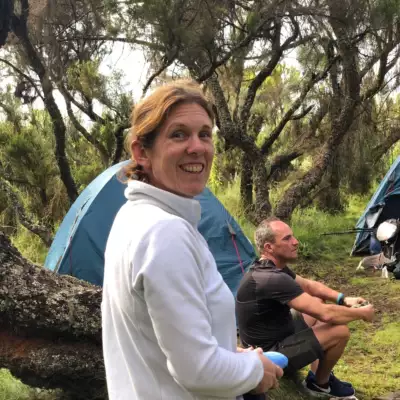
Meet Charlie, a director of, and one of the co-founders of Tribal Tracks.
Experience beautiful coastline treks peppered with remote coastal villages
Visit key locations of the Battle of Crete including memorials and museums
Climb the impressive Lefka Ora - The White Mountains
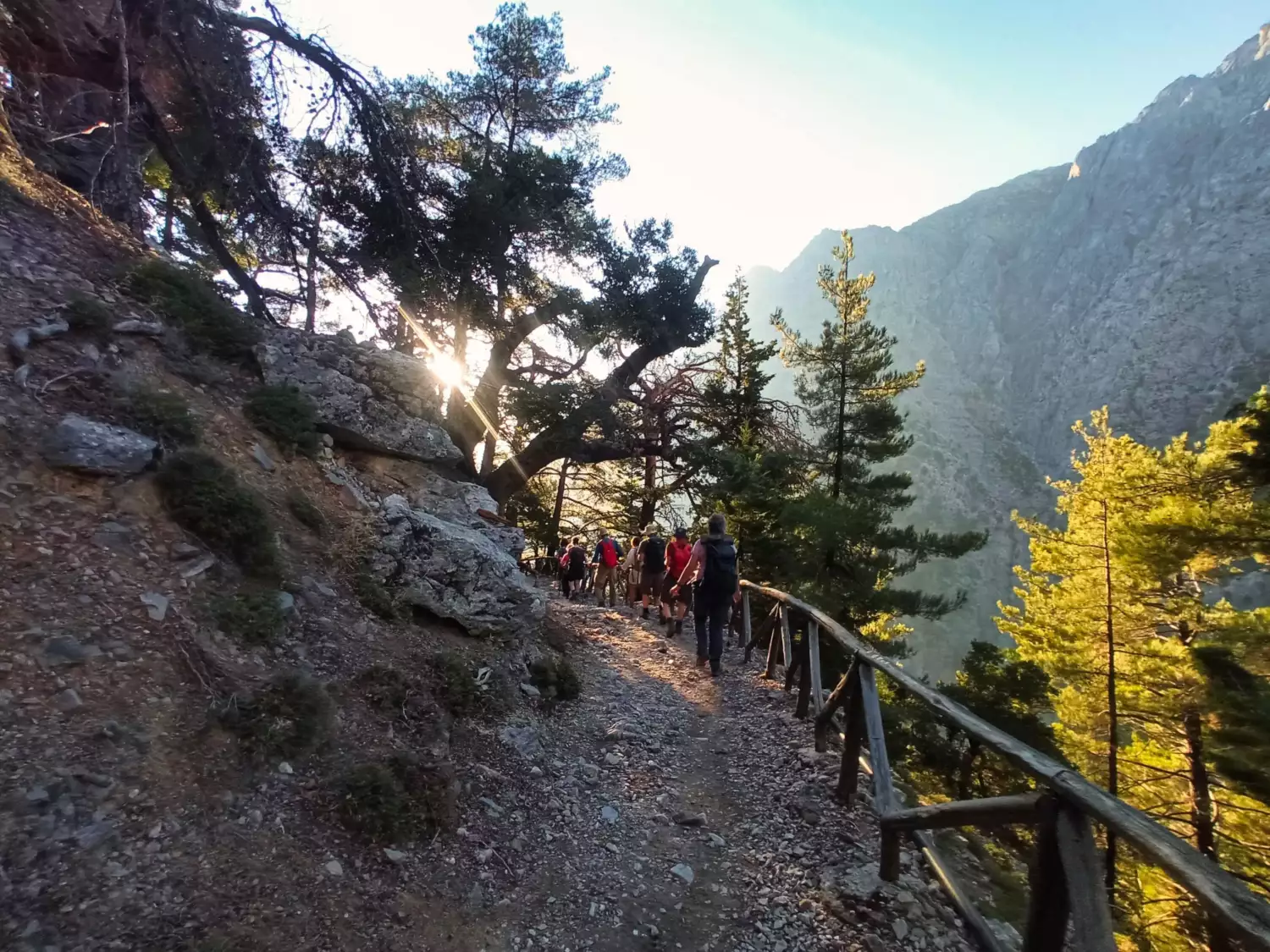
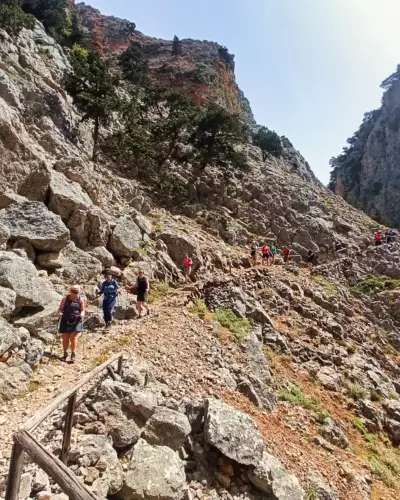
Trek the Samaria Gorge - one of the longest and most beautiful gorges in Europe
Stay in friendly, local guesthouses and enjoy the local cuisine
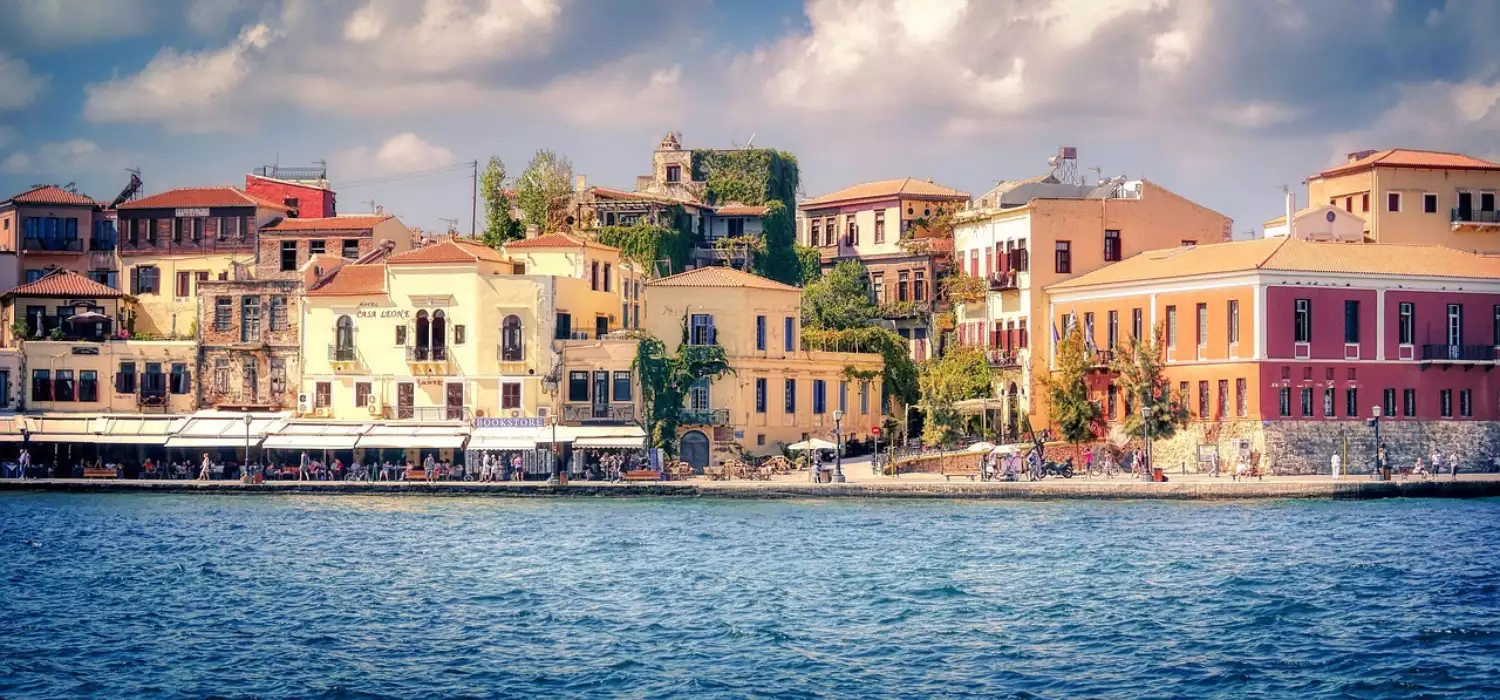
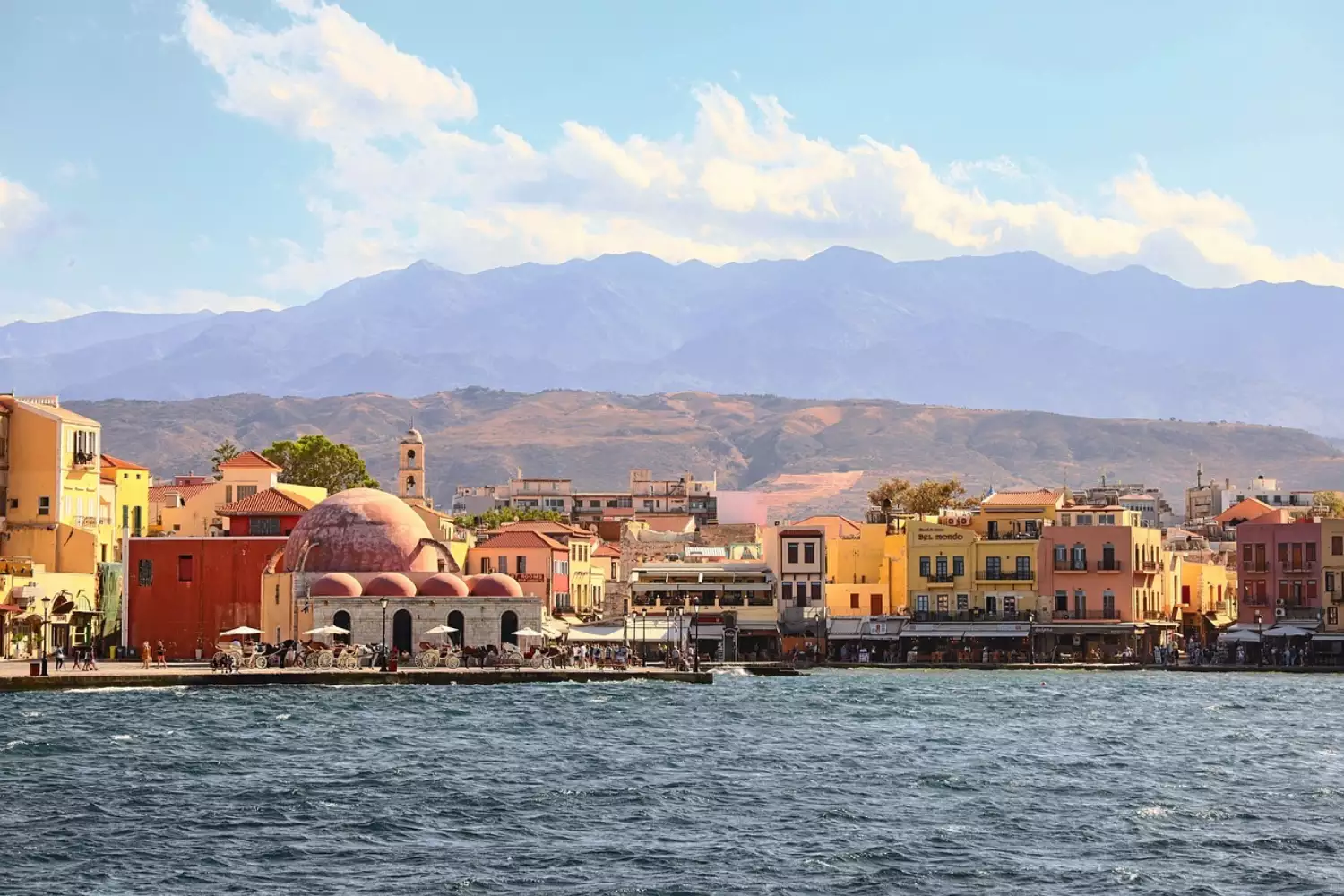
Explore Chania's Venetian Harbour, discovering hidden squares, Byzantine churches, and Ottoman mosques.
All the info you need
Trip Details
This Sea to Summit trek offers pristine coastline trails, stunning mountain landscapes, and traditional villages with a warm local welcome.
The southwest part of the island, characterised by the Lefka Ori mountains, dramatic gorges, secluded beaches, and clear blue waters, is more rugged and less visited. As we trek we learn that this region was the focal point of the Battle of Crete from World War II, where fierce fighting occurred between Allied forces and German paratroopers. The final day is spent finding out more about the Battle, with a military expert, visiting the important sites where we can pay our respects.
Please note, we can only guarantee a Single Supplement (charged extra as per dates and prices tab) in Chania, Hora Sfakion, and Omalos.
Trip Details
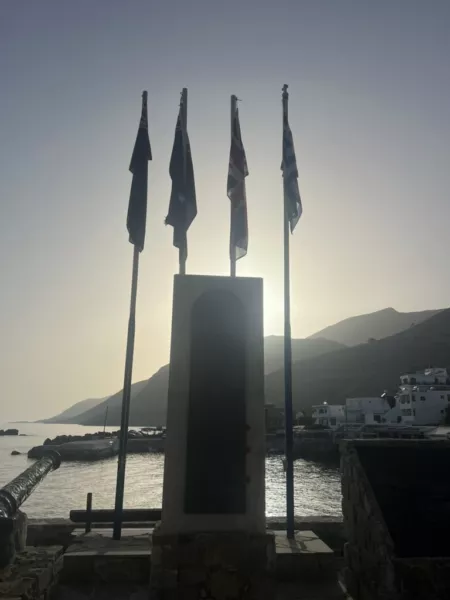
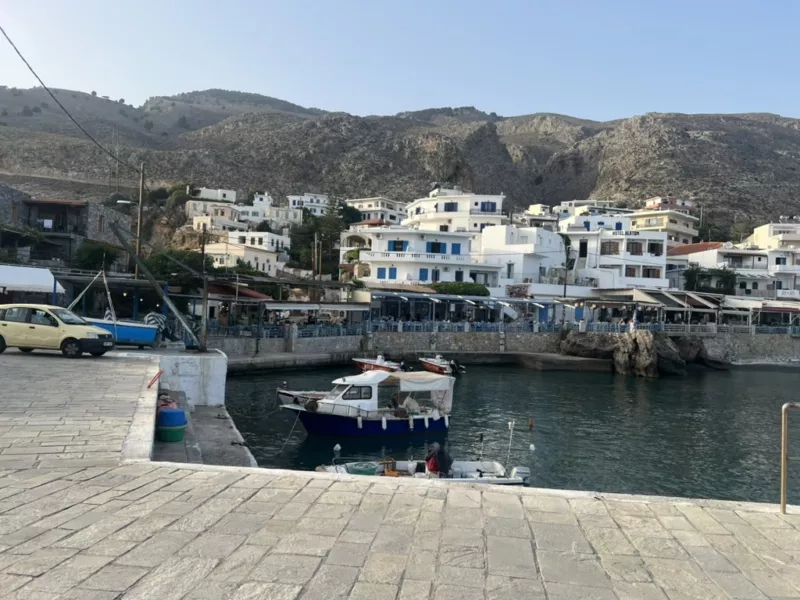
We fly into Chania, a picturesque town located on the northwest coast of the Greek island of Crete.
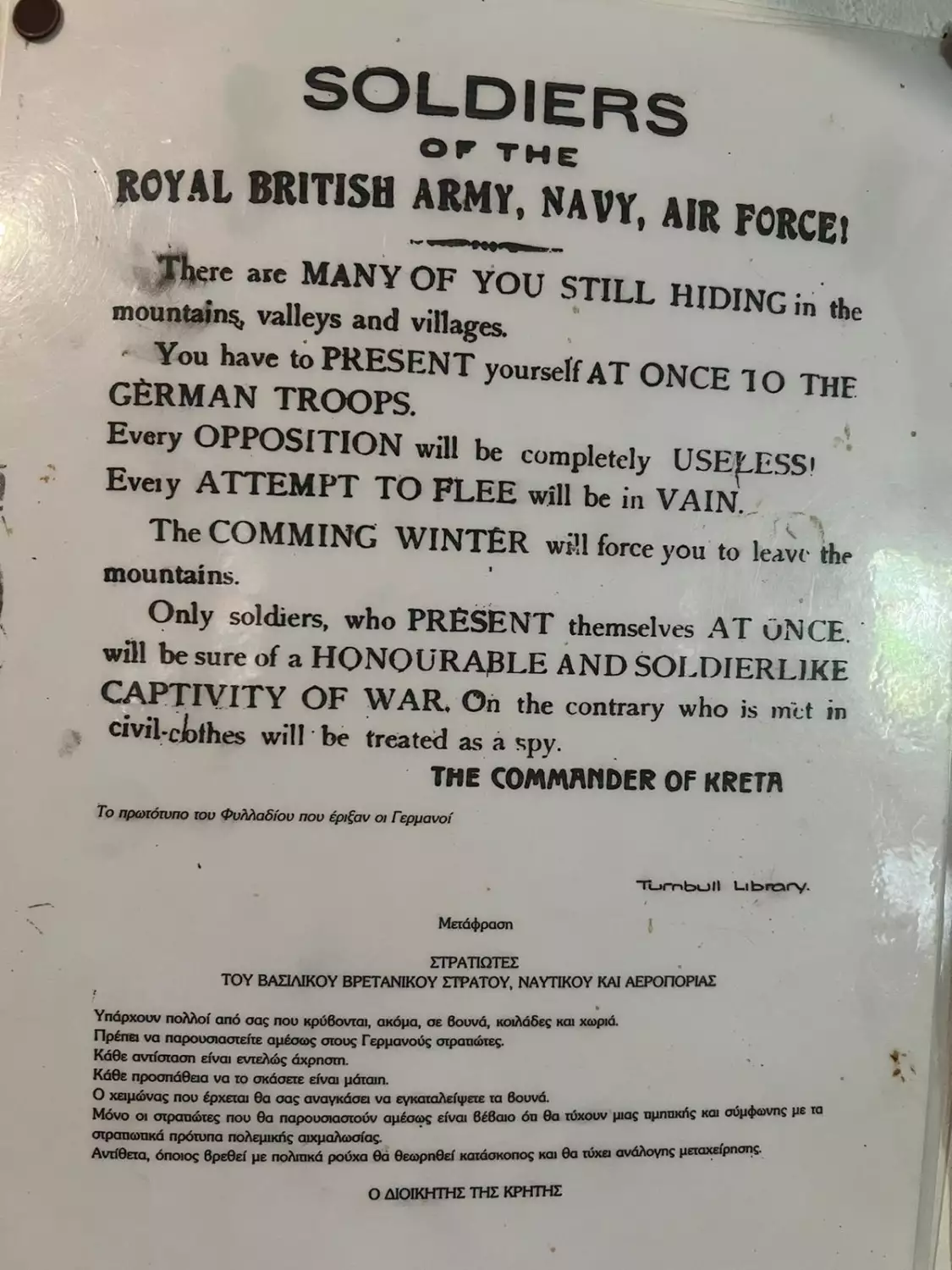
Chania's port was one of the main points for Allied reinforcements and supplies during the Battle of Crete; it was strategically vital for Crete's defence. German paratroopers landed near Chania on May 20, 1941 as part of a major airborne and amphibious operation during World War II- codenamed Operation Mercury (Unternehmen Merkur), the last airborne German assault in the Second World War. The following day, the Maleme Airfield in western Crete fell, ultimately overwhelming the defensive positions on the island.
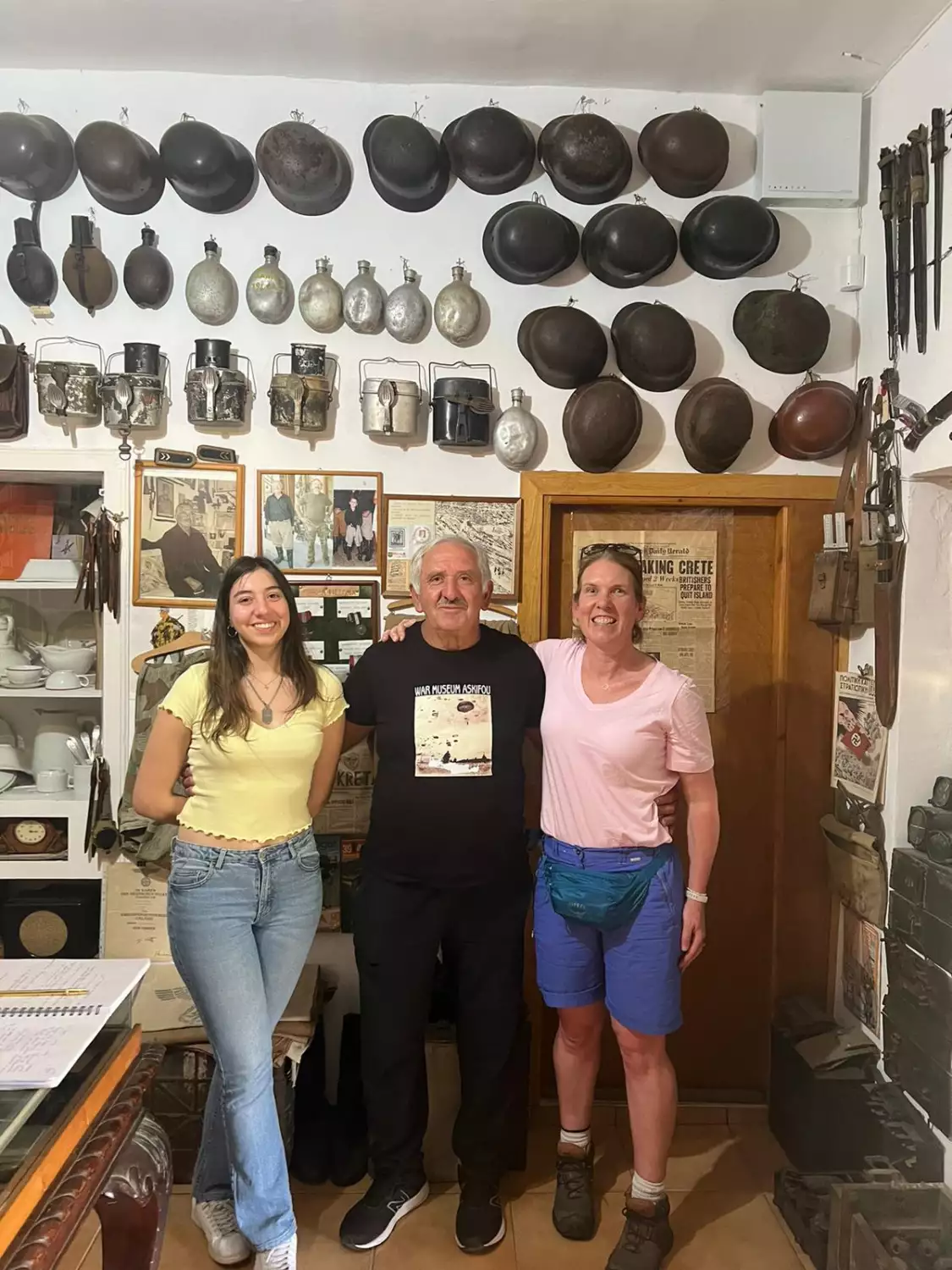
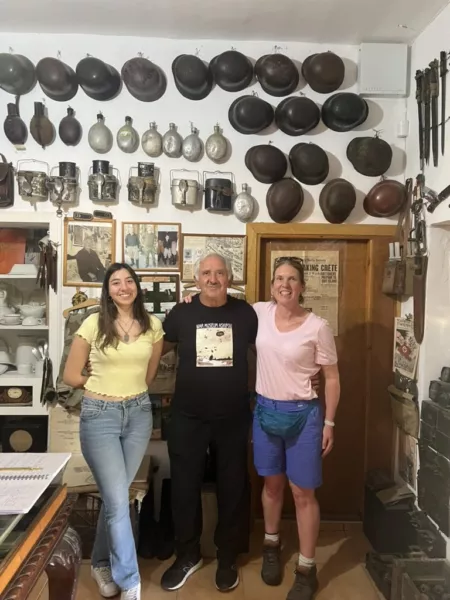
We will be met by our local team and head to the southern coastal town of Hora Sfakion. We will stop enroute at the Historical War Museum in Askifou - https://www.warmuseumaskifou.com/en/about.html. This is a privately owned museum with a huge collections of memorabilia from WW2. This is run by the family of Georgios A. Hatzidakis who was 10yrs old when the Germans invaded Crete. We head onto Hora Sfakion and check into our hotel and prepare for our 'Sea to Summit' trek. There should be time for a quick swim in the Libyan sea before dinner.
Accommodation and Meals
Guesthouse and dinner
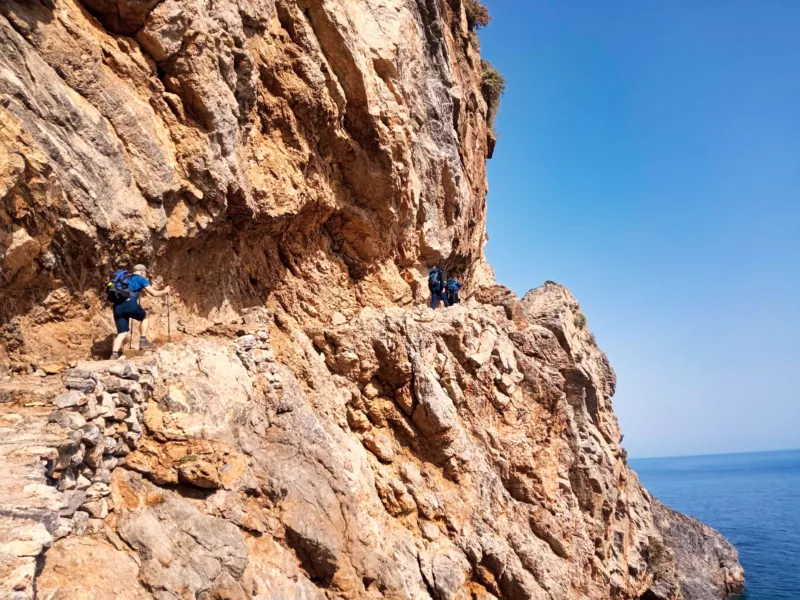
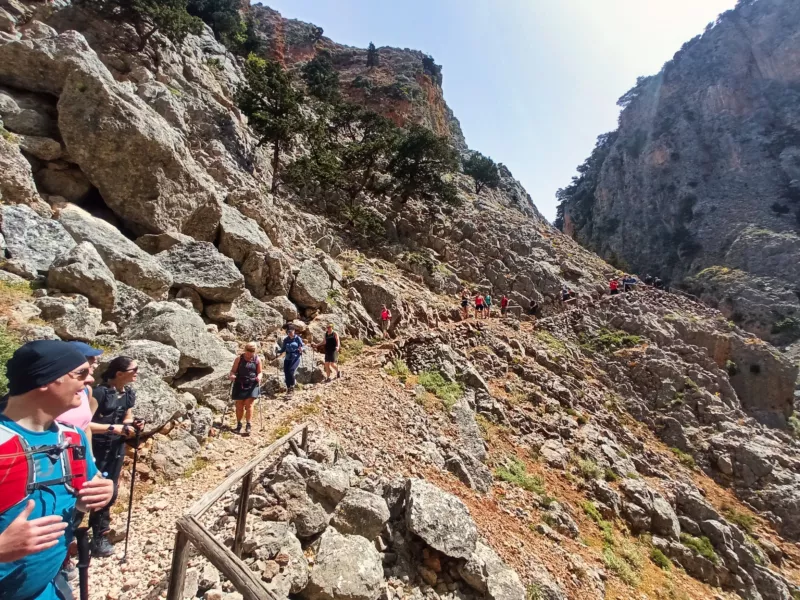
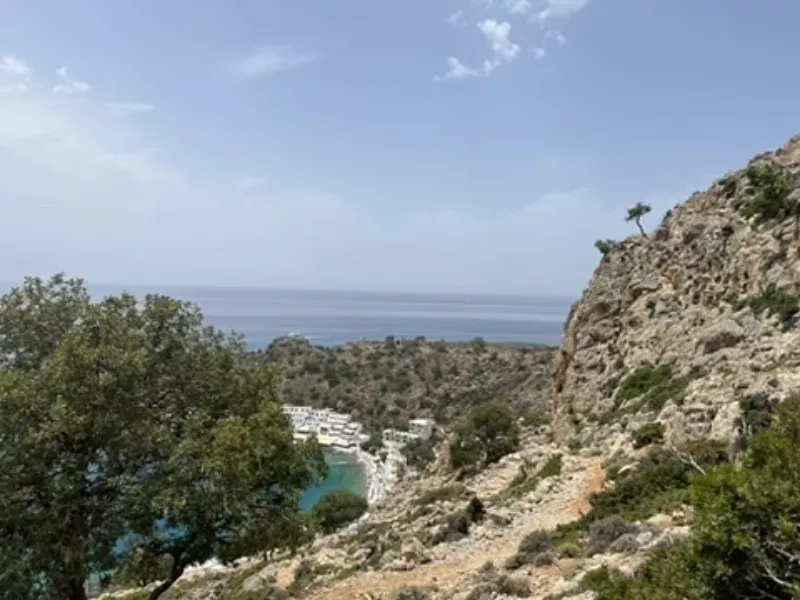
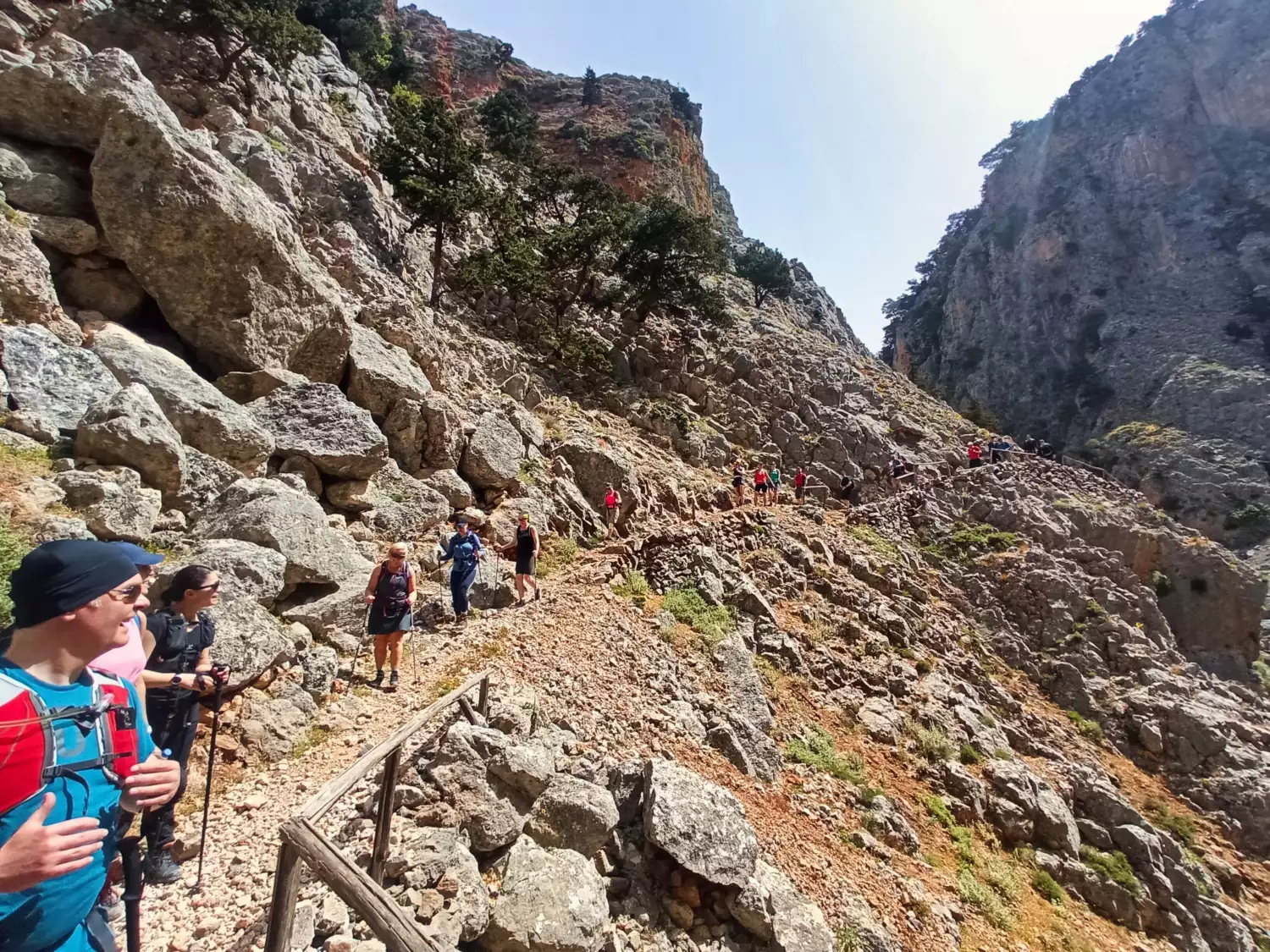
We start our trek from Hora Sfakion, a beautiful village nestled between the azure sea and the White Mountain range.
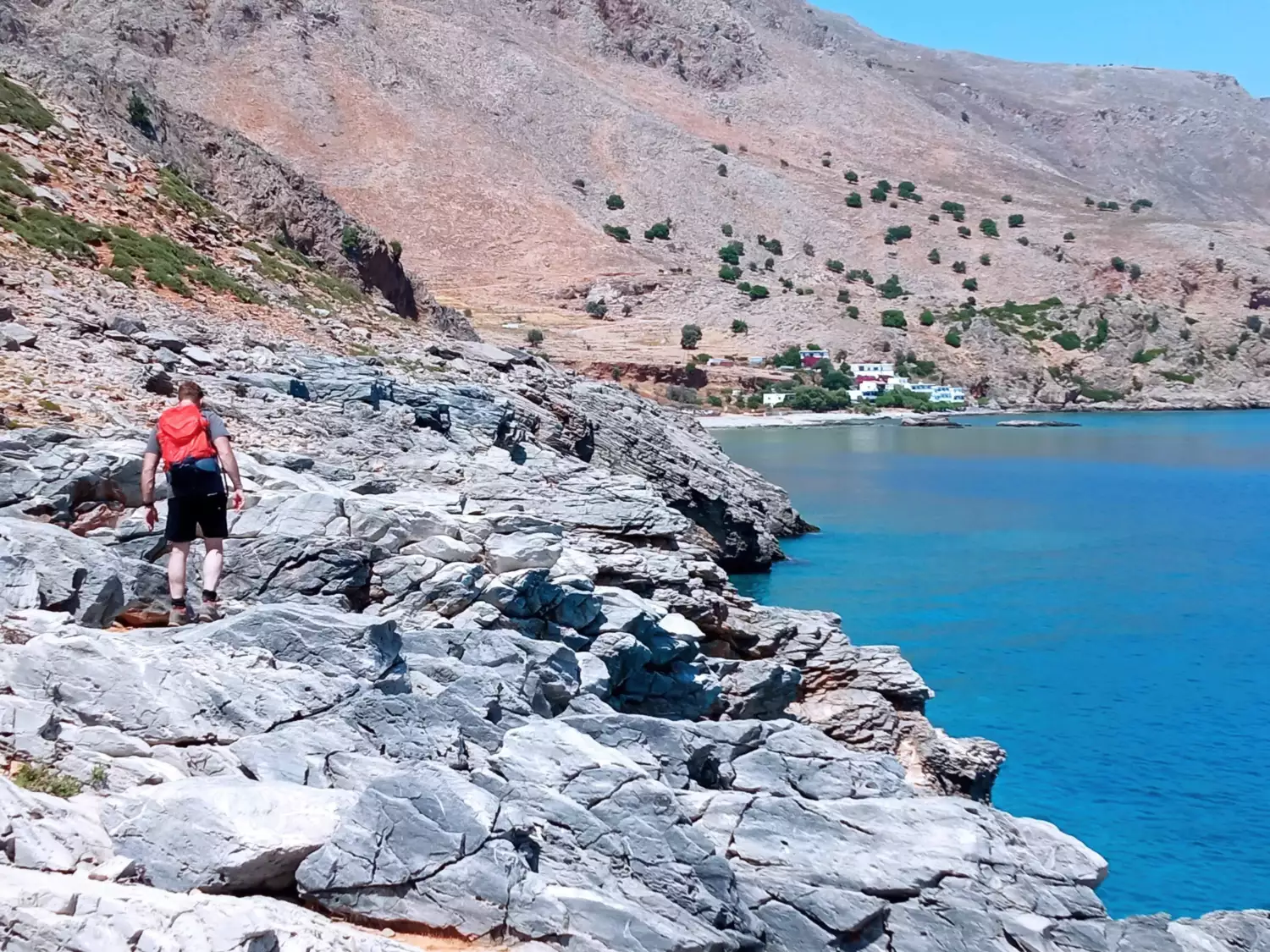
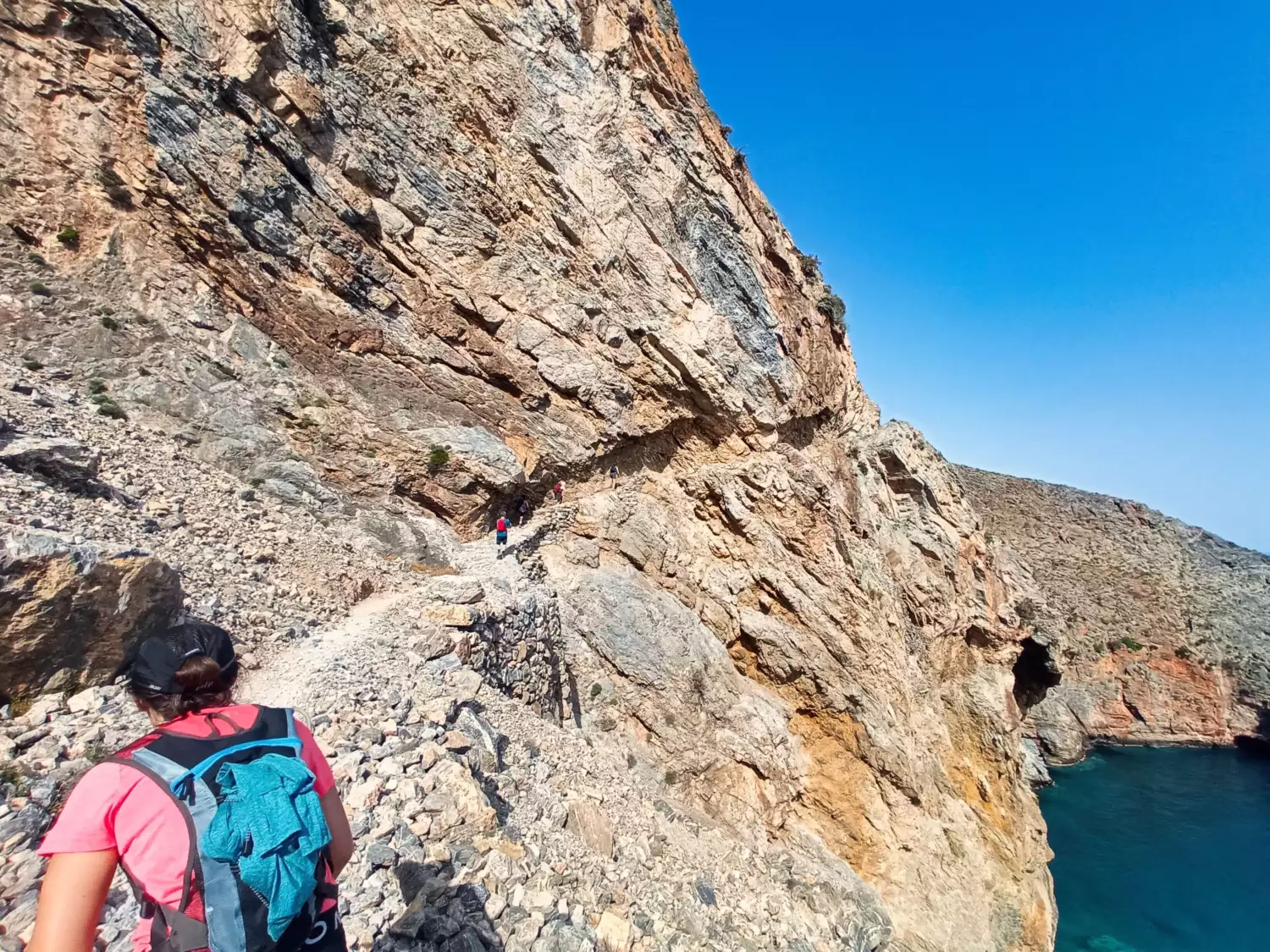
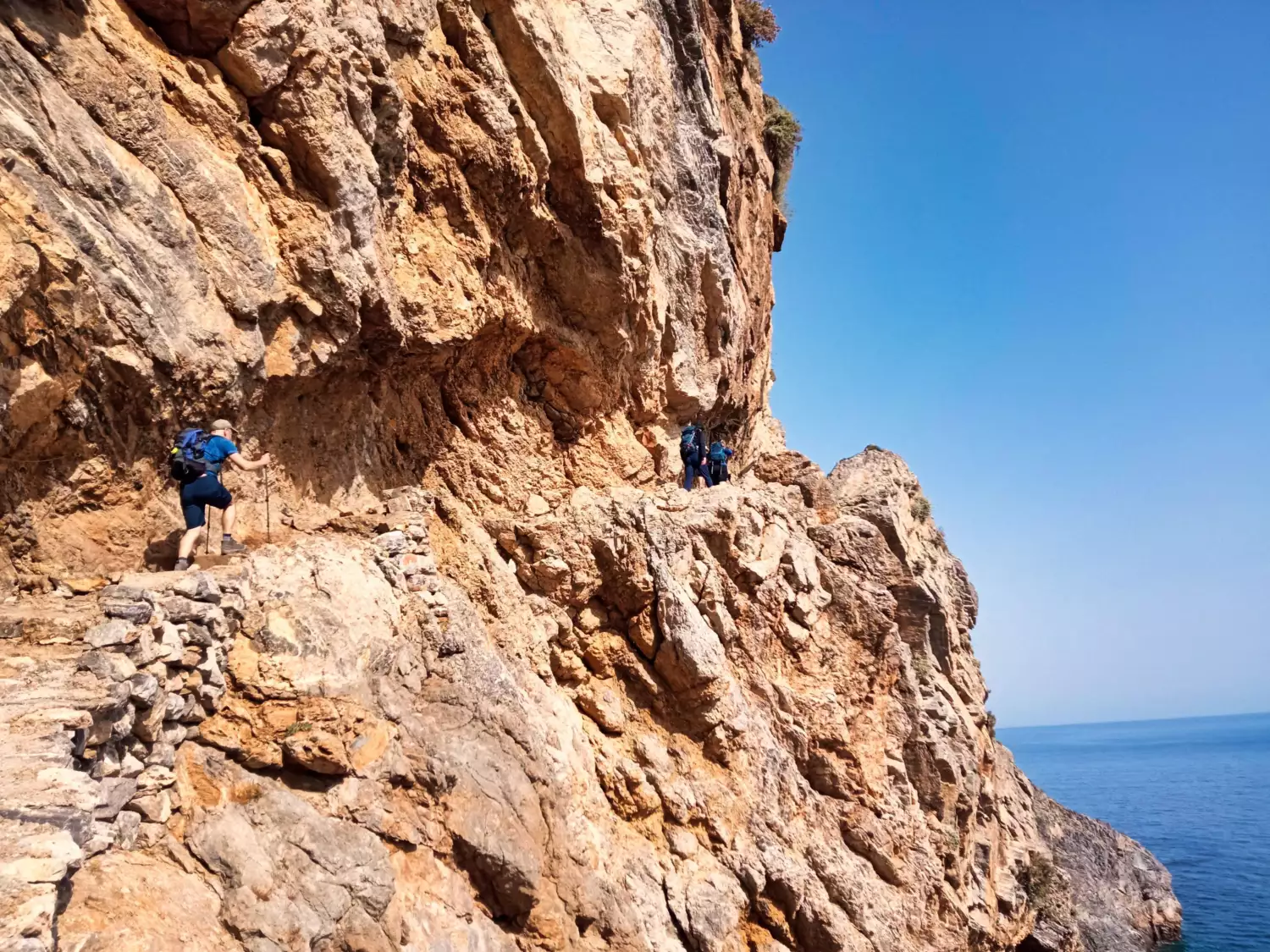
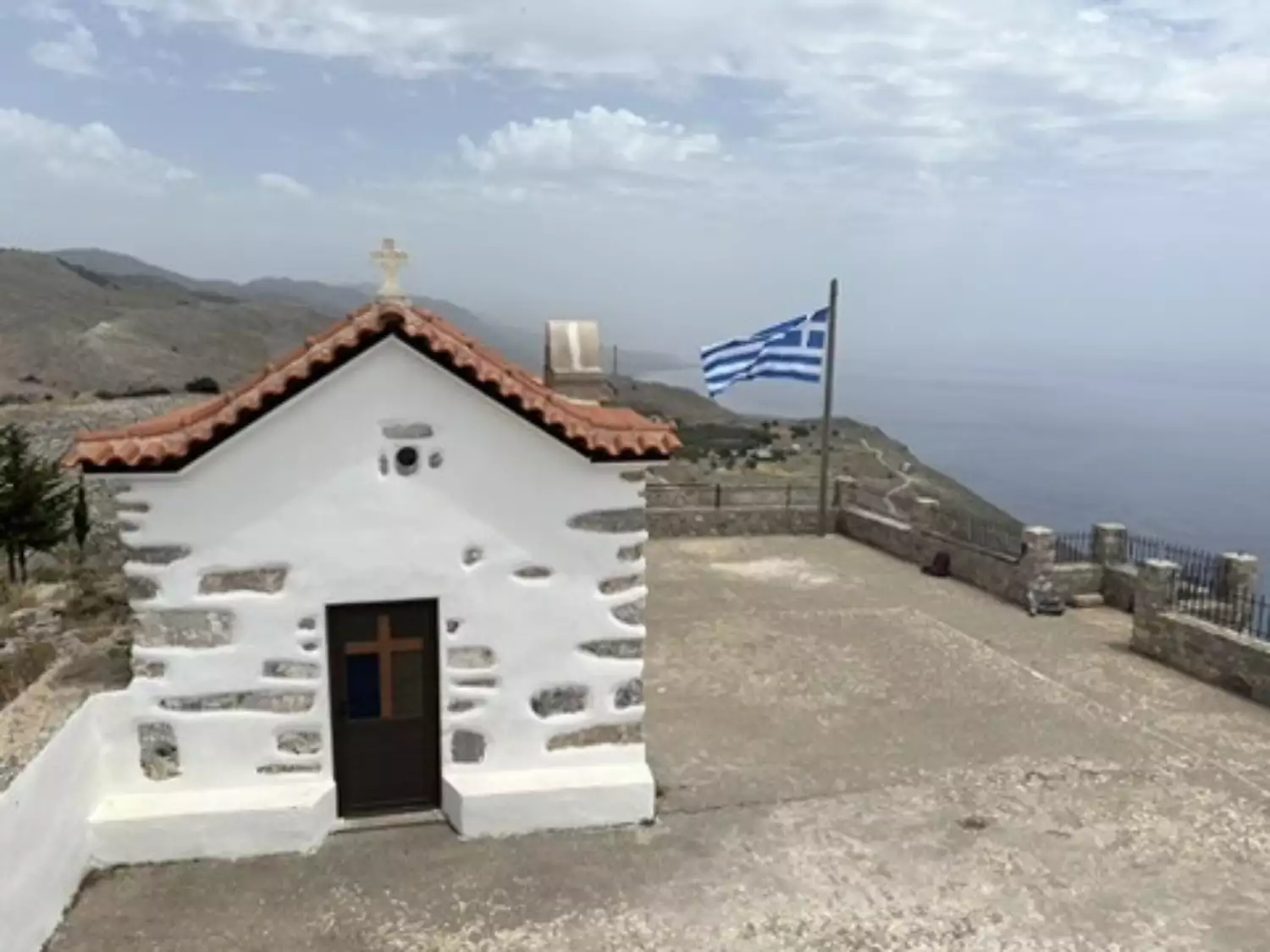
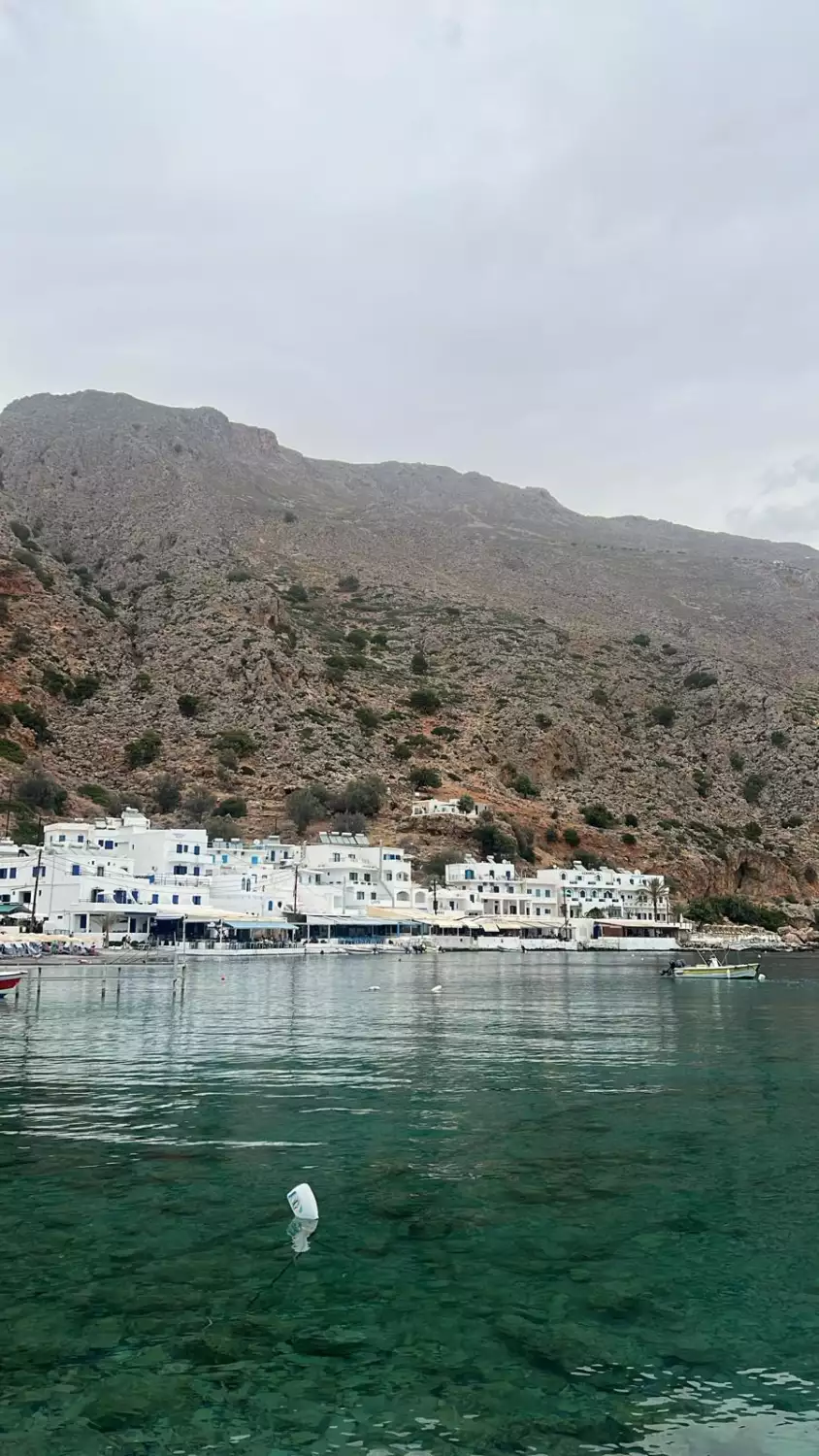
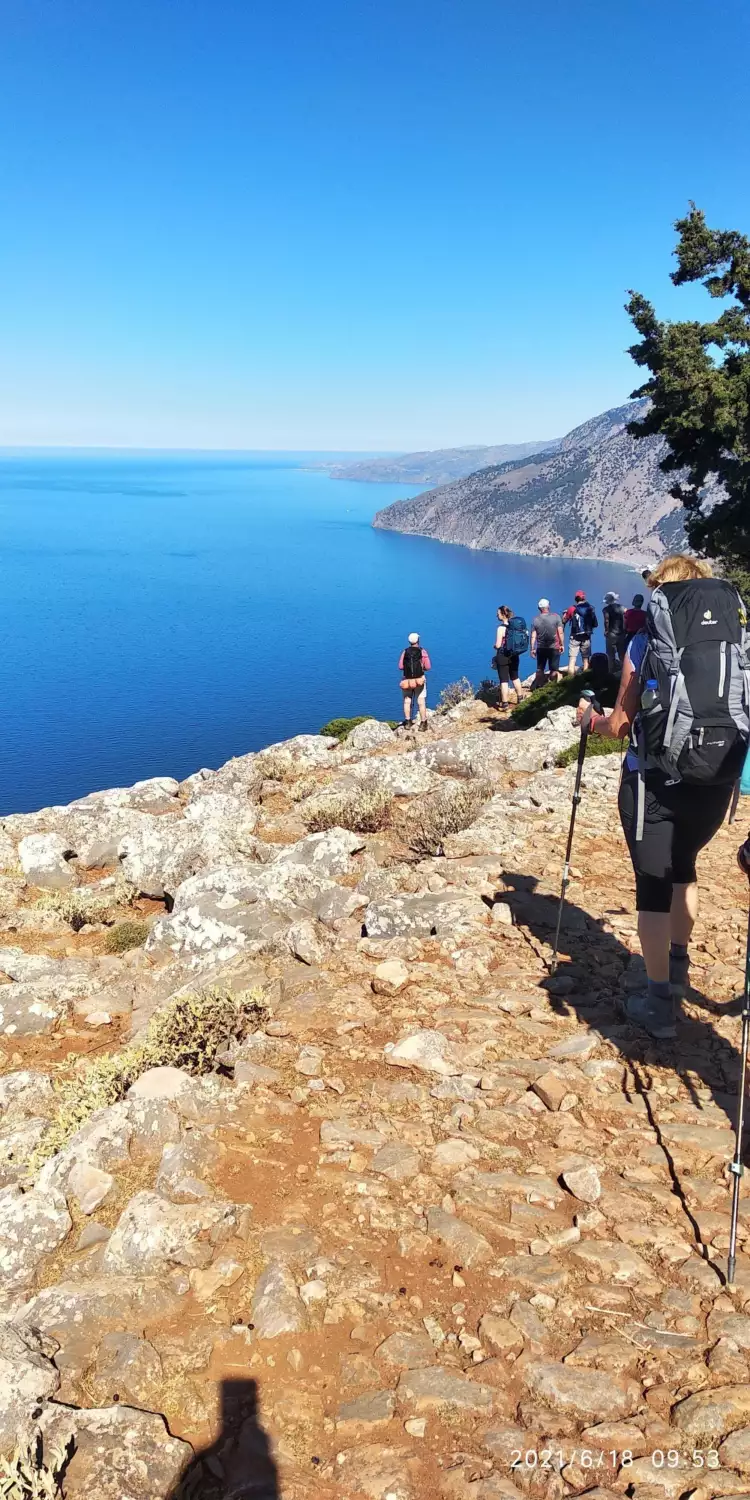
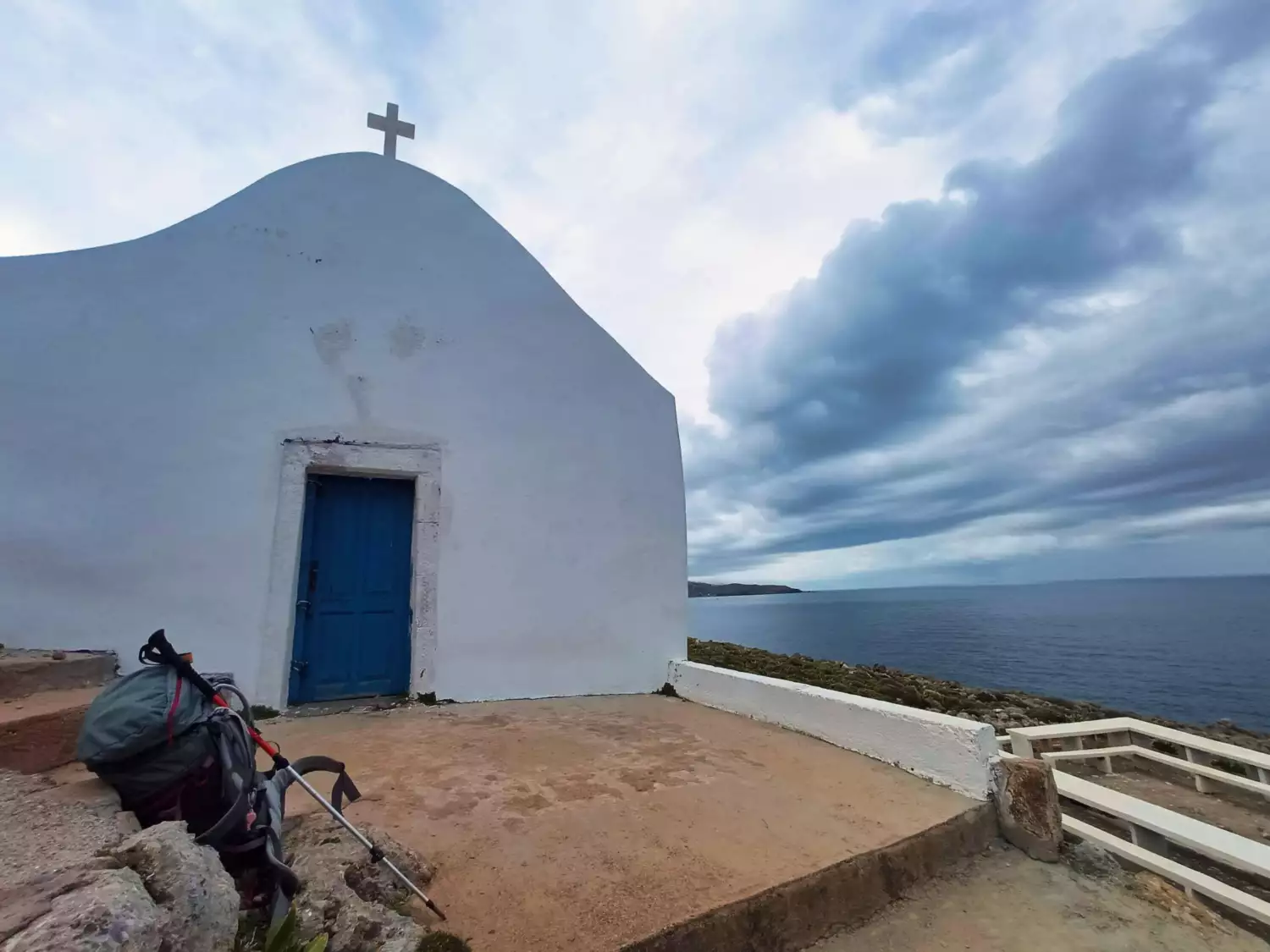
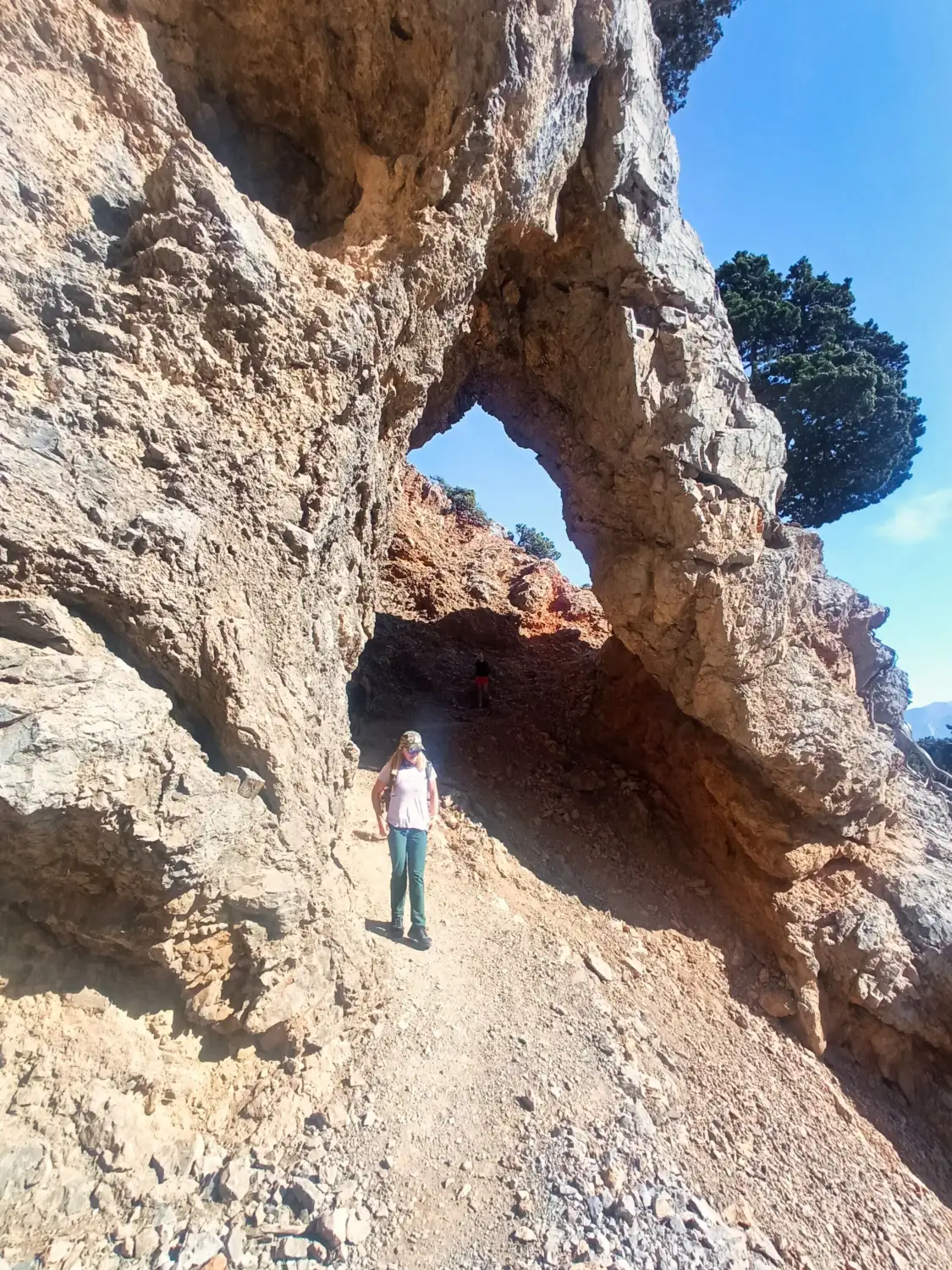
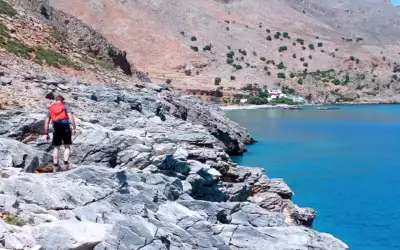
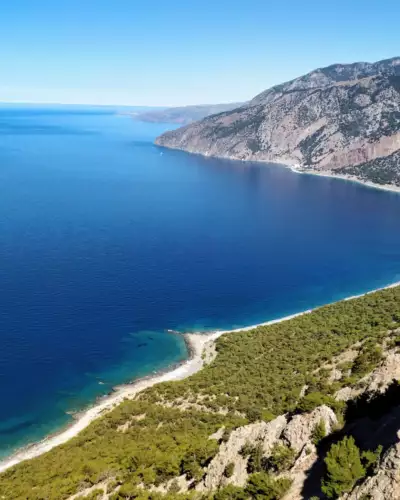
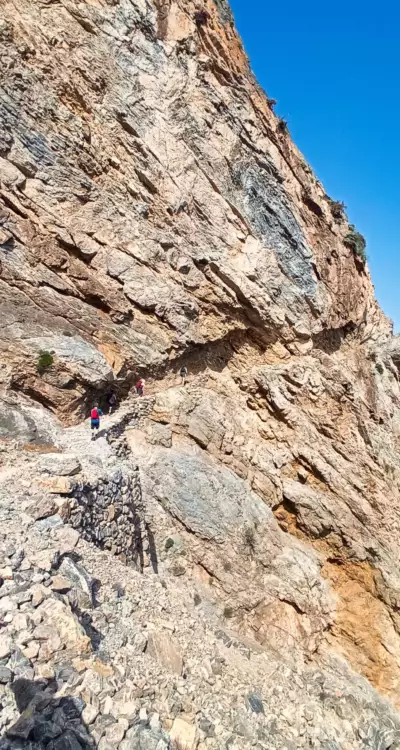
We begin our journey by trekking along the coastline towards Loutro, a small village only accessible by foot or boat. The first few km's are on coastal paths which have been cut into the rocks. In places there are fixed wires which are useful handrails, and it can get a little airy! We head towards Sweet Water bay, where, if you dig down into the sand you will find the spring water from the mountains. Above the bay there is a small Ottoman church, a perfect place to have lunch before heading onto Loutro.
Historically, the area was a lair for pirates who attacked passing ships. More recently, during the Battle of Crete, it served as a temporary hiding and regrouping spot for Cretan resistance fighters and British intelligence officers, as well as a supply route for aid and supplies for the resistance. While the majority of Allied forces were evacuated from Hora Sfakion, many escaped over the White Mountains, hiding in caves and local villages along the southern coast.
After lunch, we will begin climbing into the highlands of the Sfakia and will hike for several miles towards an old Ottoman fort, all the time enjoying the views across the Libyan sea and back towards the White Mountains. We descend into the mountain village of Anopoli where we stay for the evening.
During the course of the day, we will come across ancient ruins, Venetian fortresses, and Byzantine churches while being surrounded by breathtaking natural beauty.
Approximate distance 11km and total ascent 878m/descent 333m
Accommodation and Meals
Anopoli Guesthouse and full board
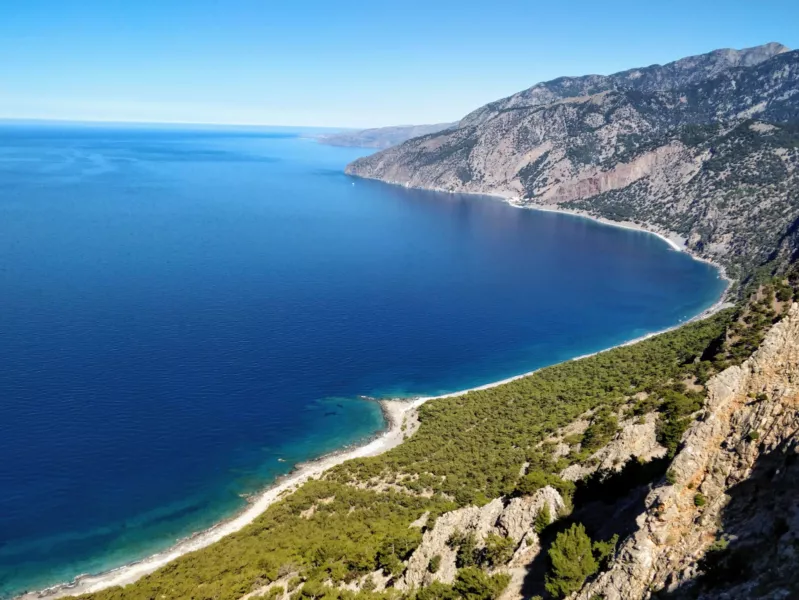
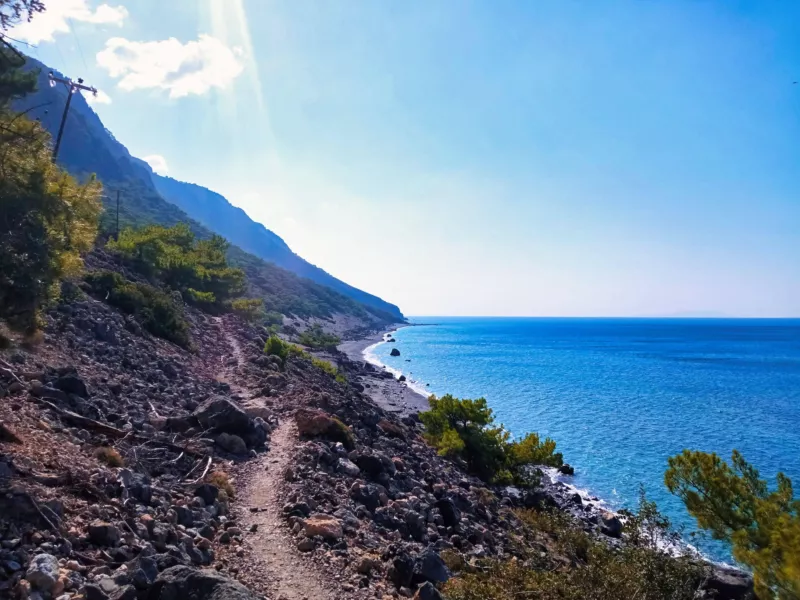
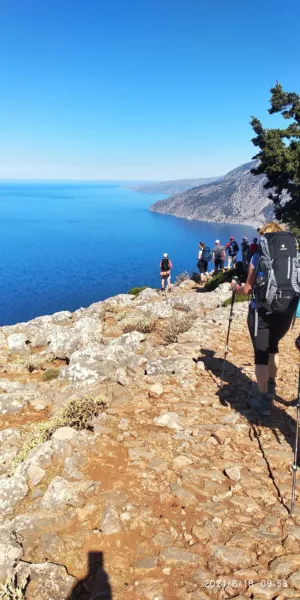
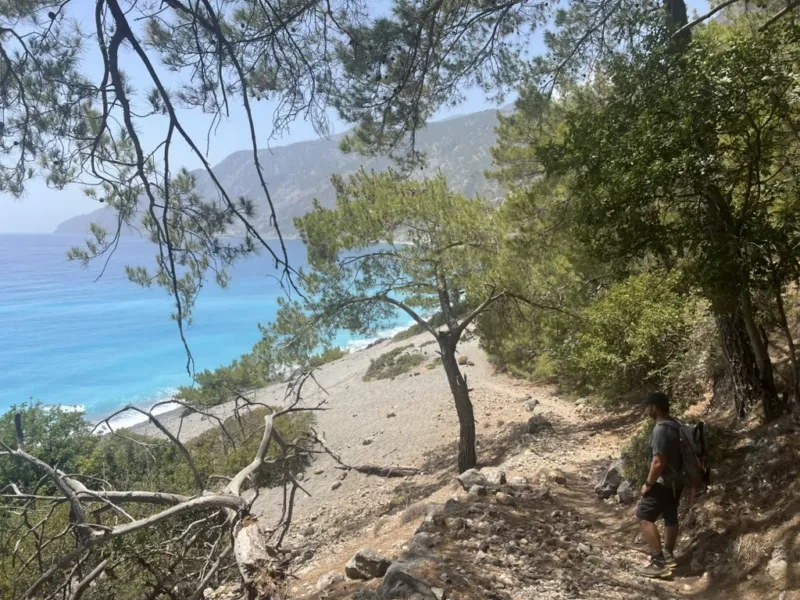
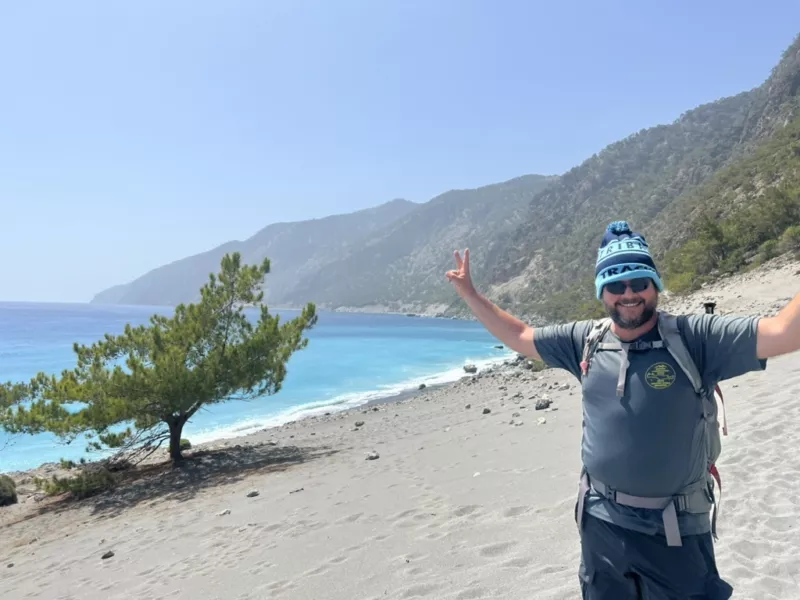
Leaving the village of Anopoli, we take a short transfer to Agios Ioannis, following a historical coastal track with amazing views of the Libyan sea.
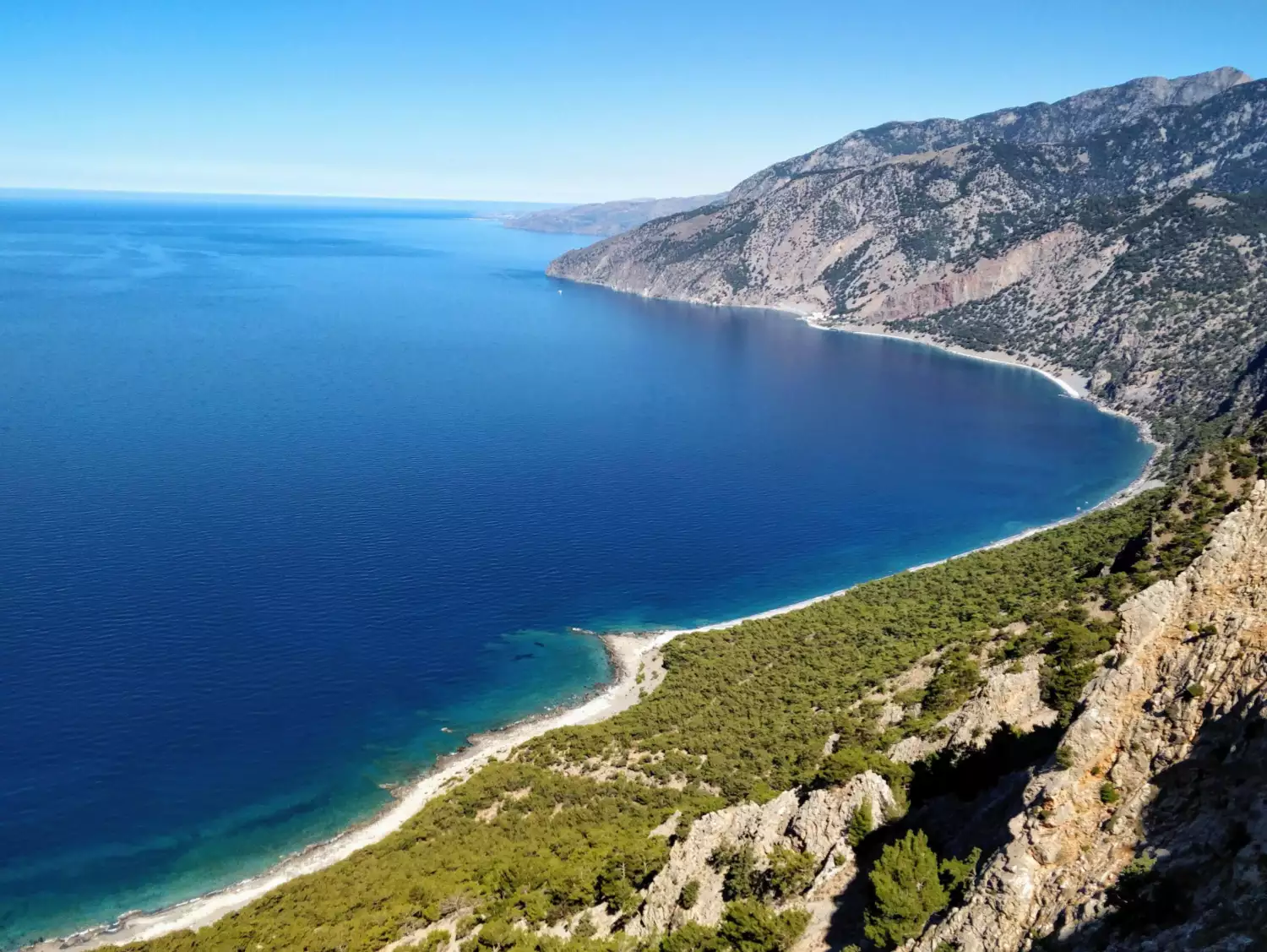
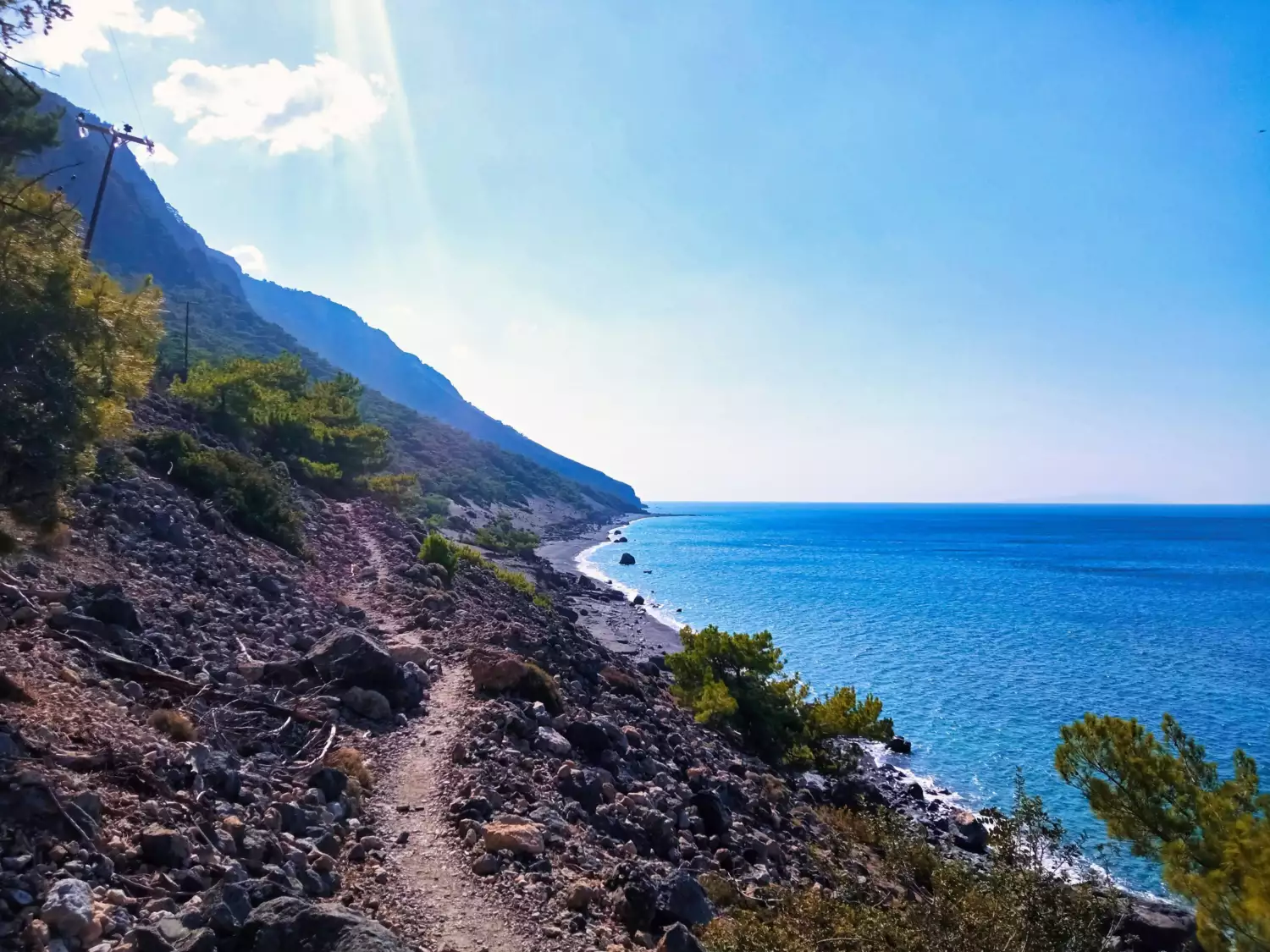
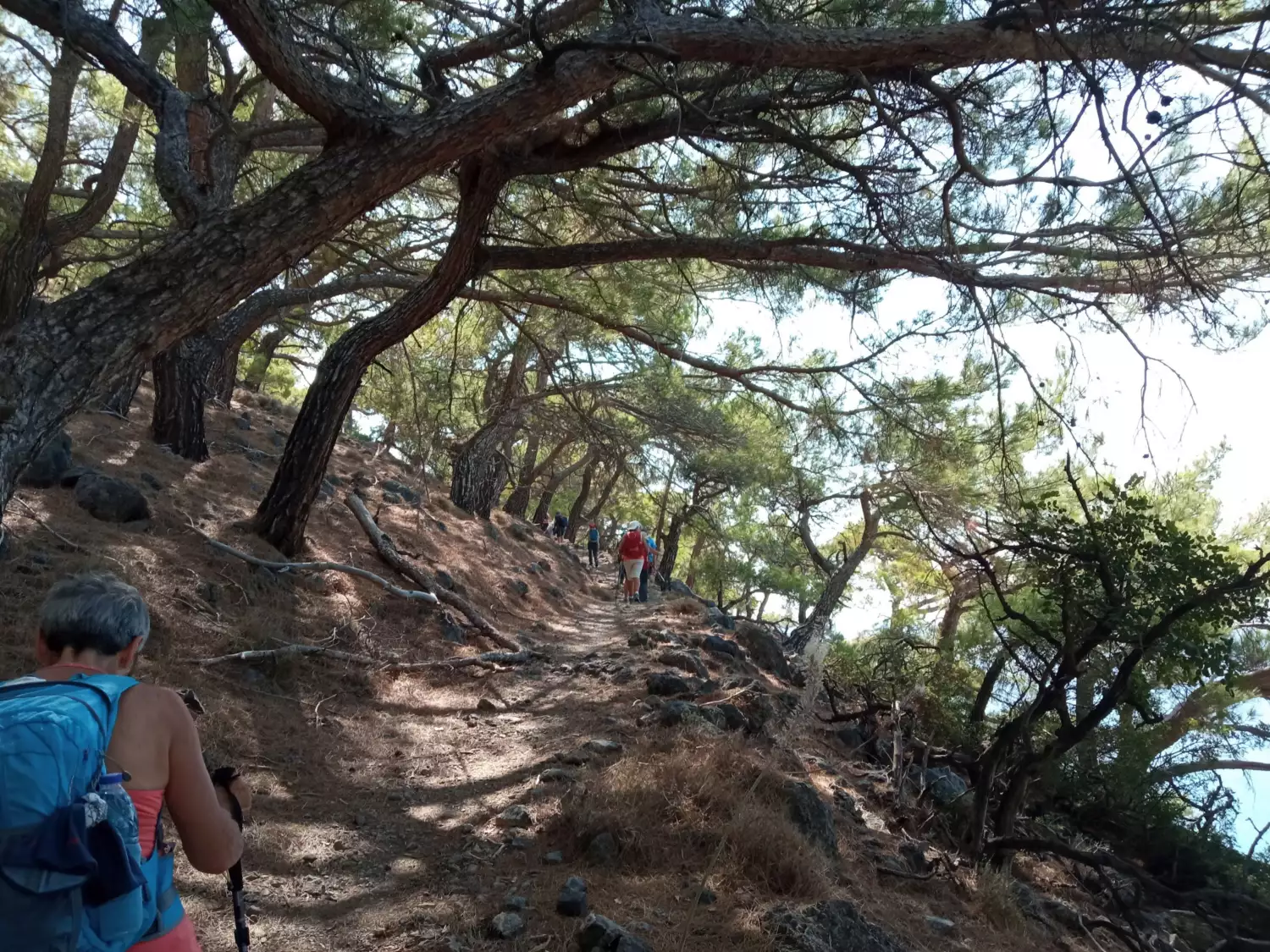
Arriving in Agios Ioannis we descend to the coastline where we follow a track through pine forests, providing welcome shade. This coastal route is a combination of pebbled beaches and sand. We can enjoy a rest at the ancient chapel of St Paul where there is a small café and an opportunity to have a cold drink and a swim.
On the final parts of the trek, it is exposed and if it is sunny, it can feel very hot and will be hard going. We'll finish at the village of Agia Roumeli — one of the wildest regions of Crete with some of the rarest flora, fauna, and geology. We can relax on the pebble beach admiring the crystal clear Libyan sea.
There is the opportunity to have an early evening swim before dinner.
Approximate distance 9.3km and total ascent 57m/descent 825m
Accommodation and Meals
Agia Roumeli Guesthouse and full board
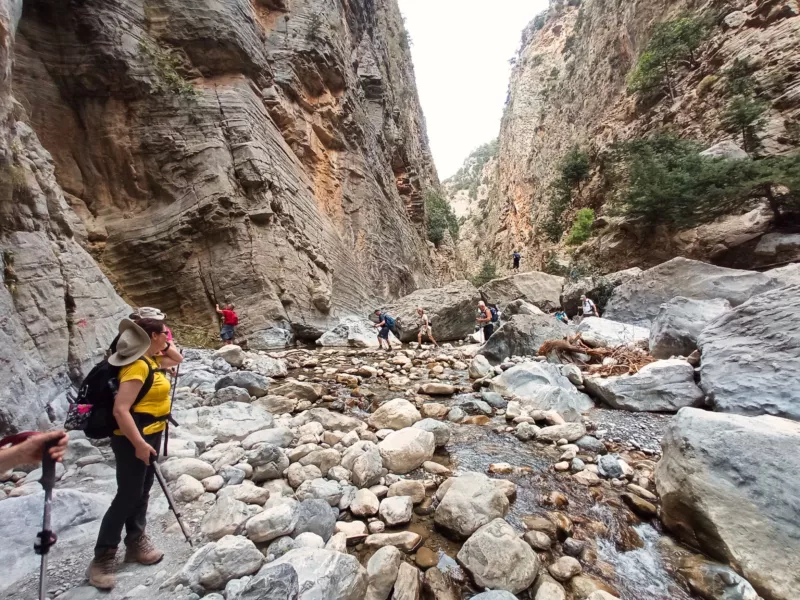
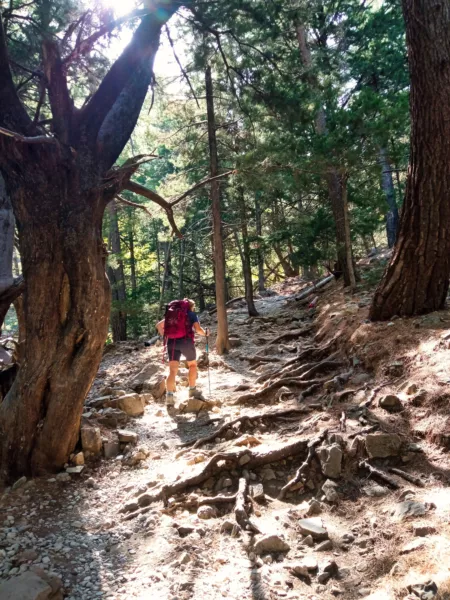
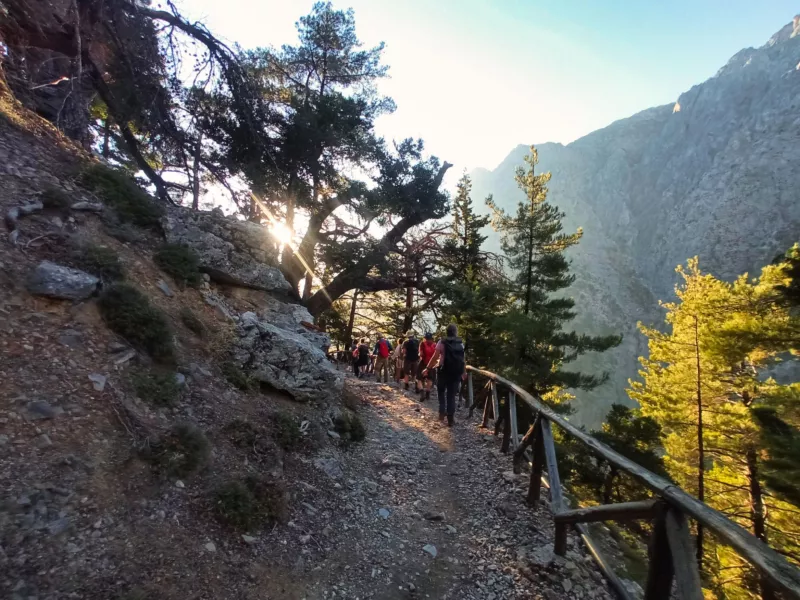
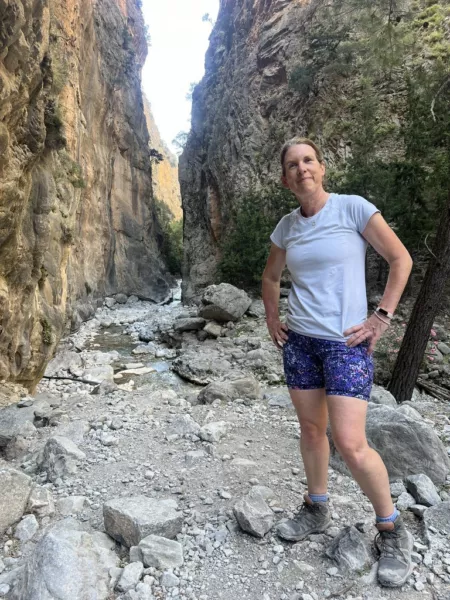
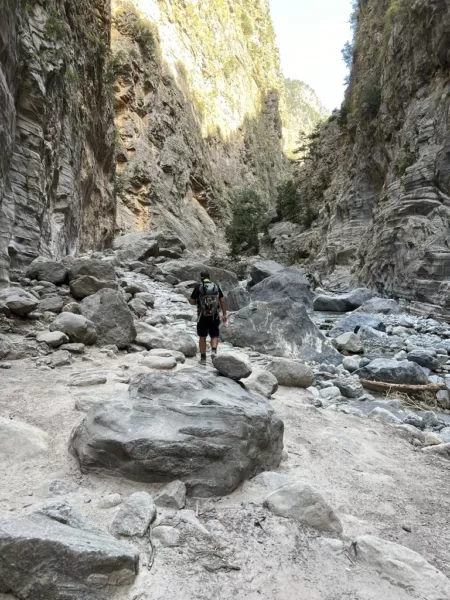
We will begin our trek from the village of Agia Roumeli, which marks the coastal entrance to the Samaria Gorge.
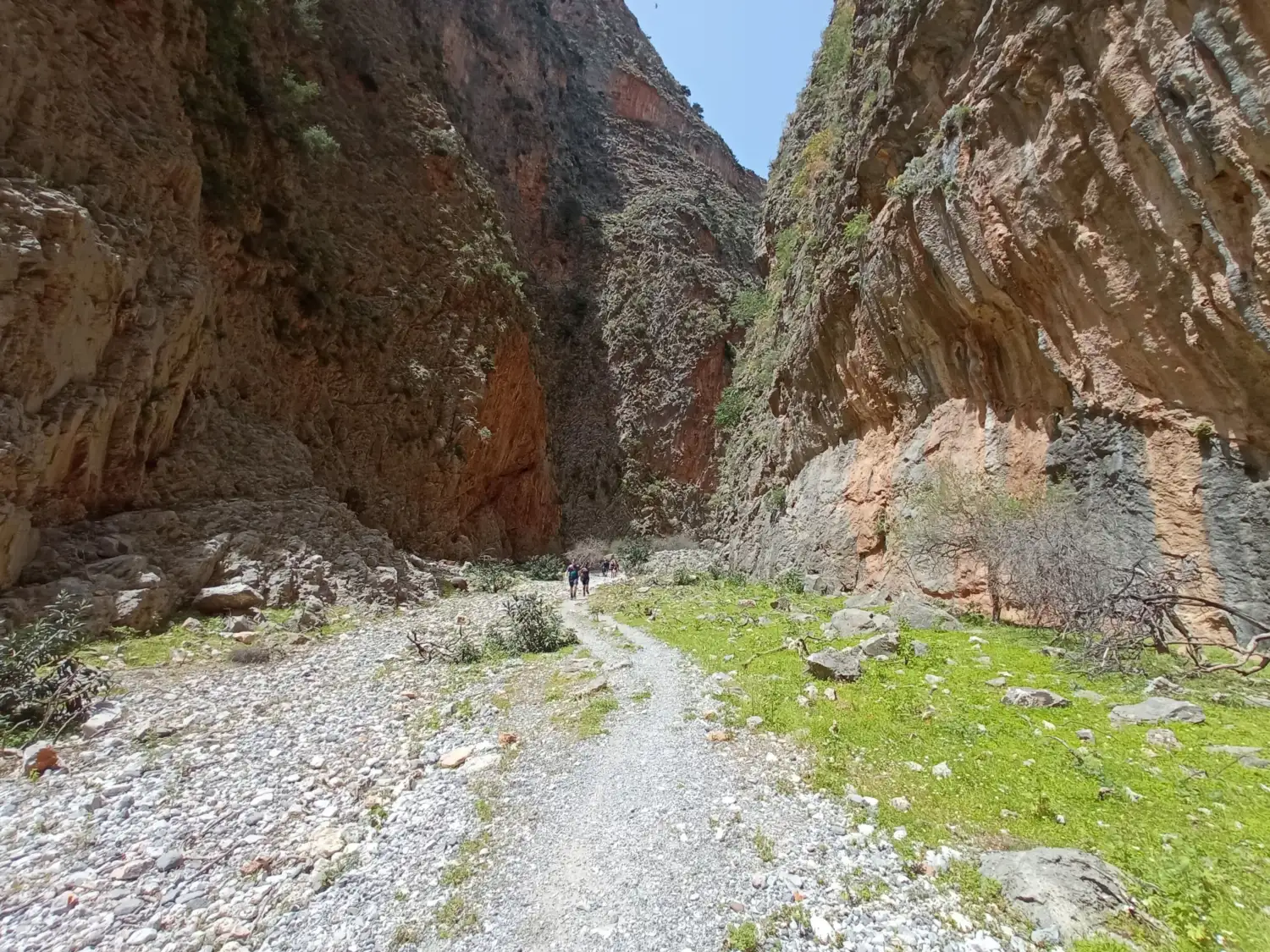
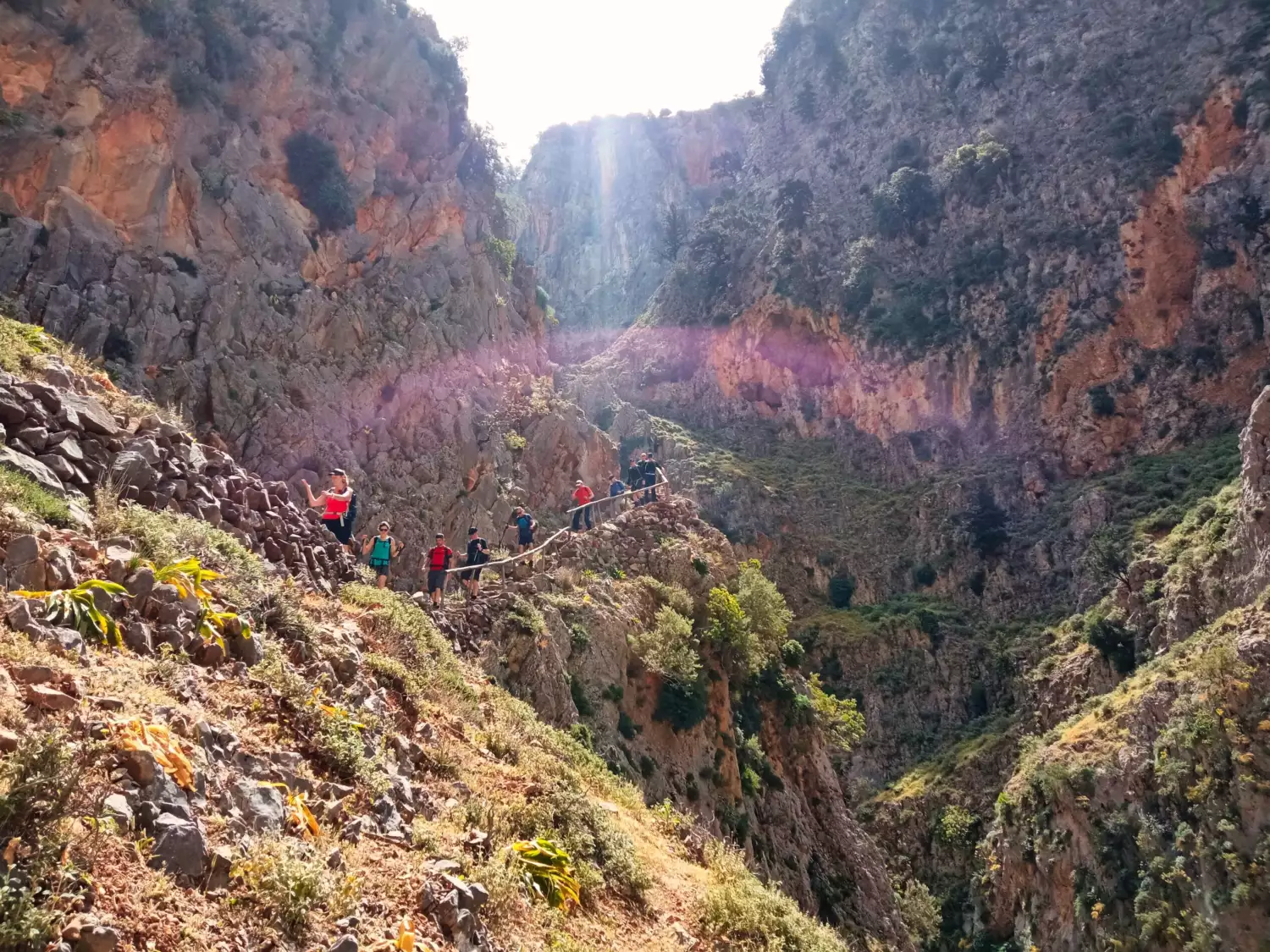
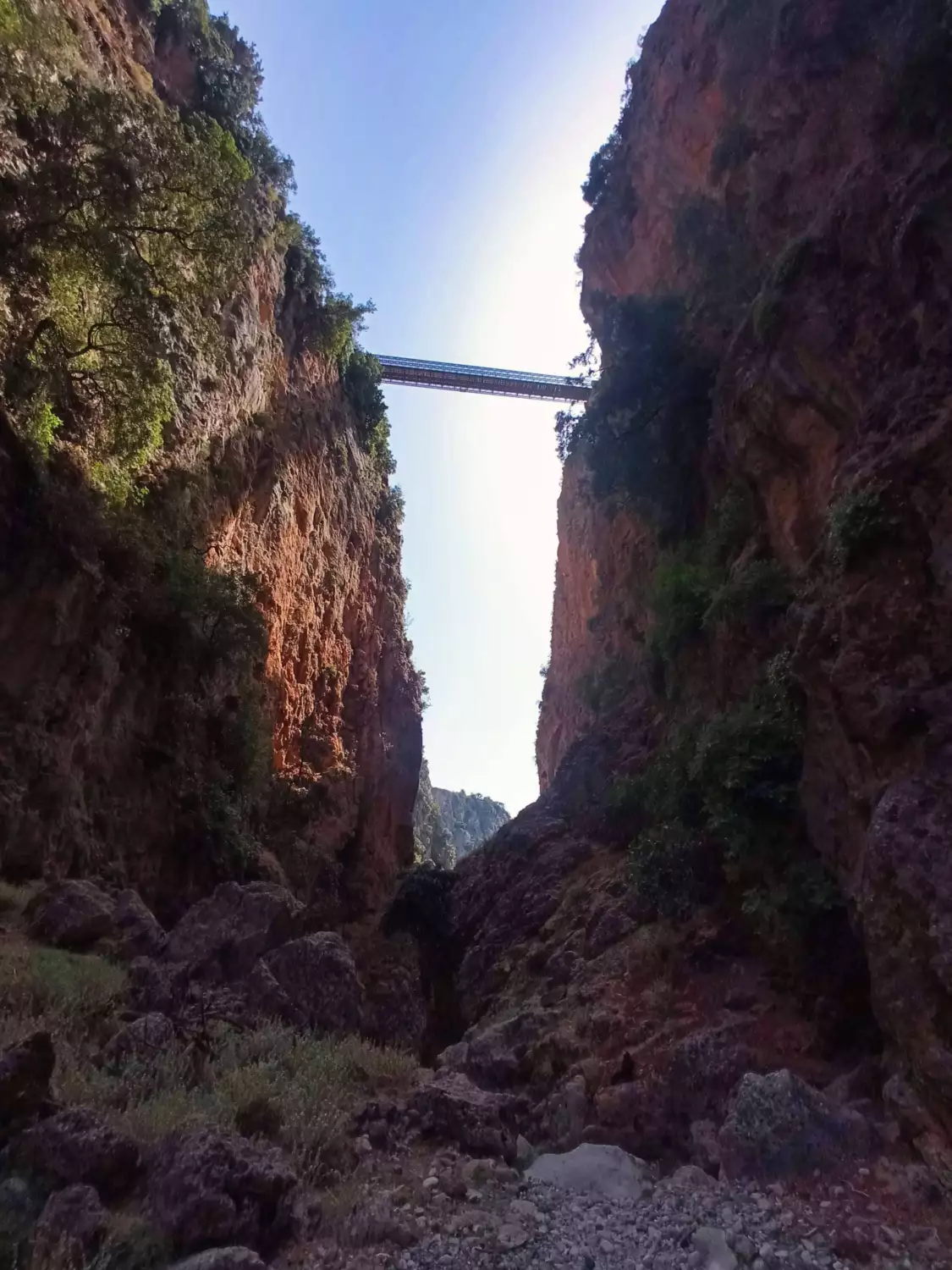
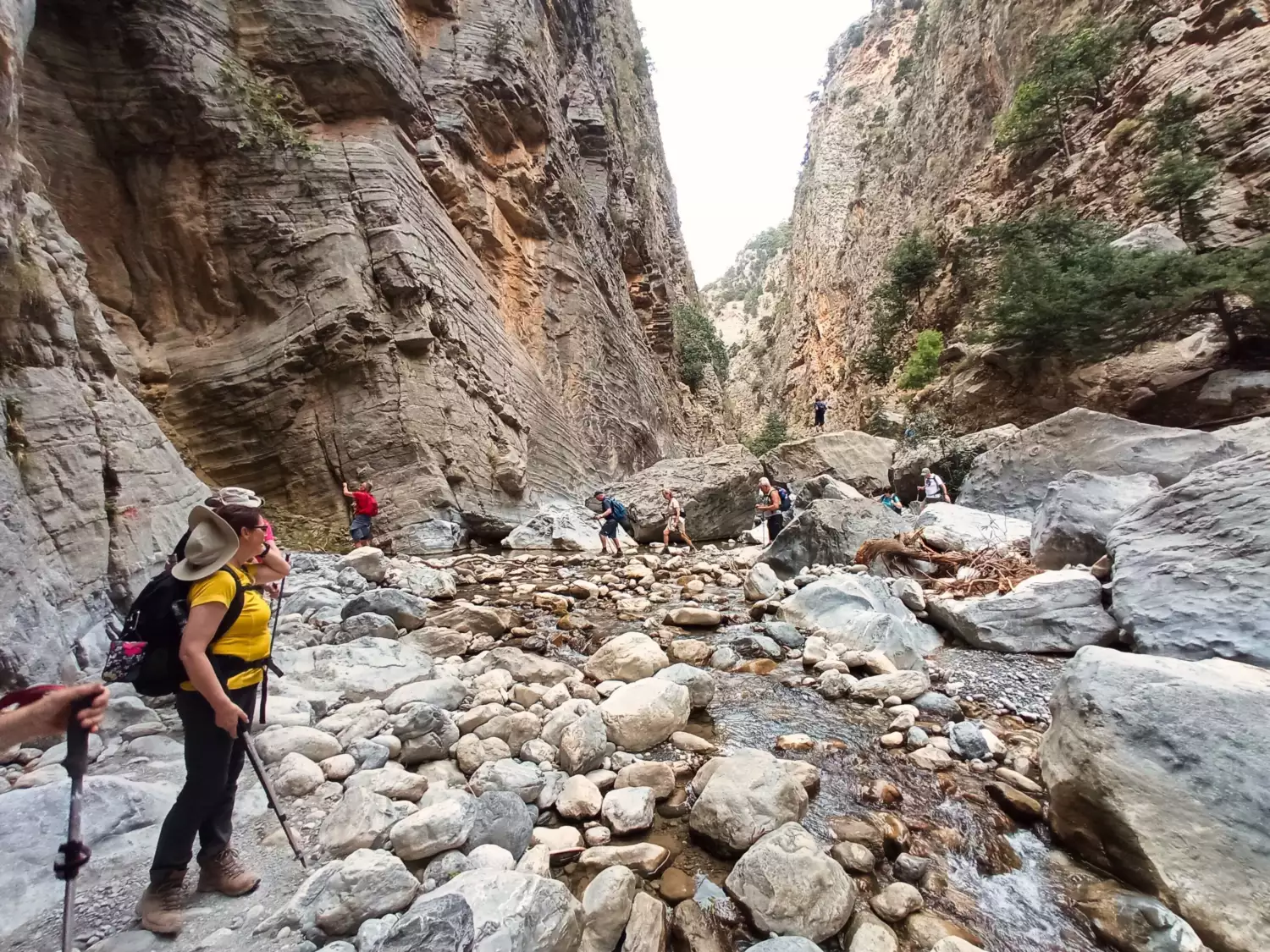
This famous gorge, which is 14km long, is known for its breathtaking scenery and towering limestone cliffs.
It was a critical escape route (to the coast) for those evading capture during the Battle of Crete, and a pathway for smuggling supplies. Knowledge of its steep cliffs and narrow passages made the ideal location for ambushes by the resistance fighters, giving the Cretan fighters a significant advantage over German troops.
We will walk the entire length of the gorge, admiring the rich variety of flora and fauna, and pass through what is known as the 'Iron Gates' — the narrowest point of the gorge between cliffs that tower over 300m high. The last 5km of the gorge route steepens with a number of switch back paths up to the exit gates. The river flows through the gorge and there are a number of small wooden bridges for crossing. Samaria Village is at the halfway point; it is here that the King of Greece and government officials hid when they fled to Crete in April 1941 before evacuating from the south coast to London.
We finish at Xiloskalo ('wooden staircase'), near Omalos and will take a short transfer to our guesthouse.
Approximate distance 14km and total ascent 1775m/descent 565m
Accommodation and Meals
Omalos Guesthouse and full board
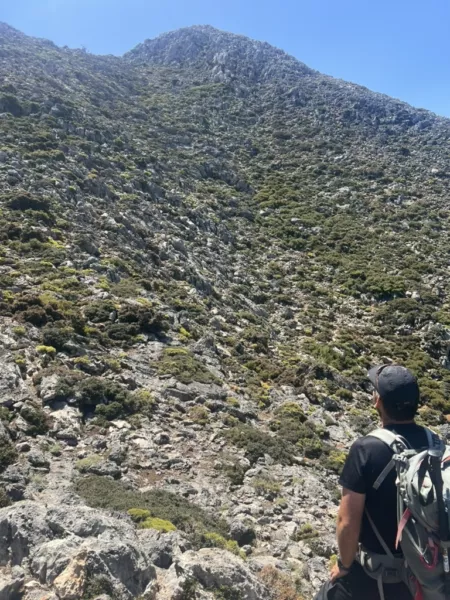
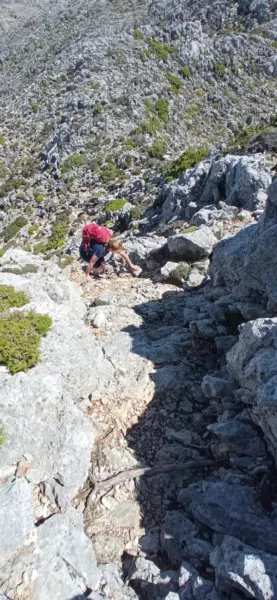
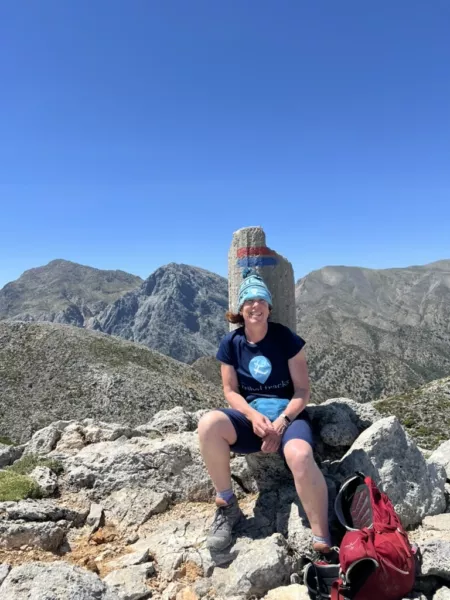
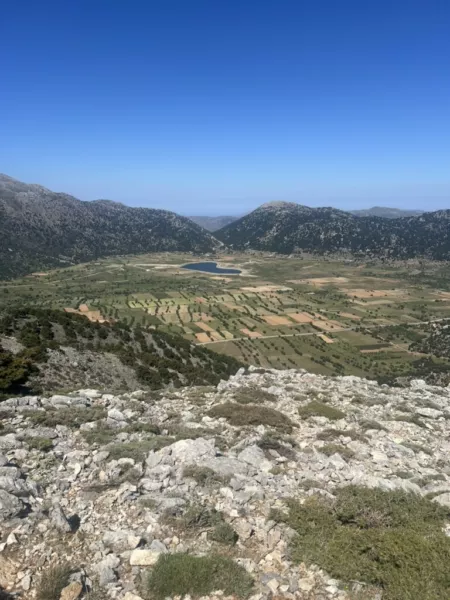
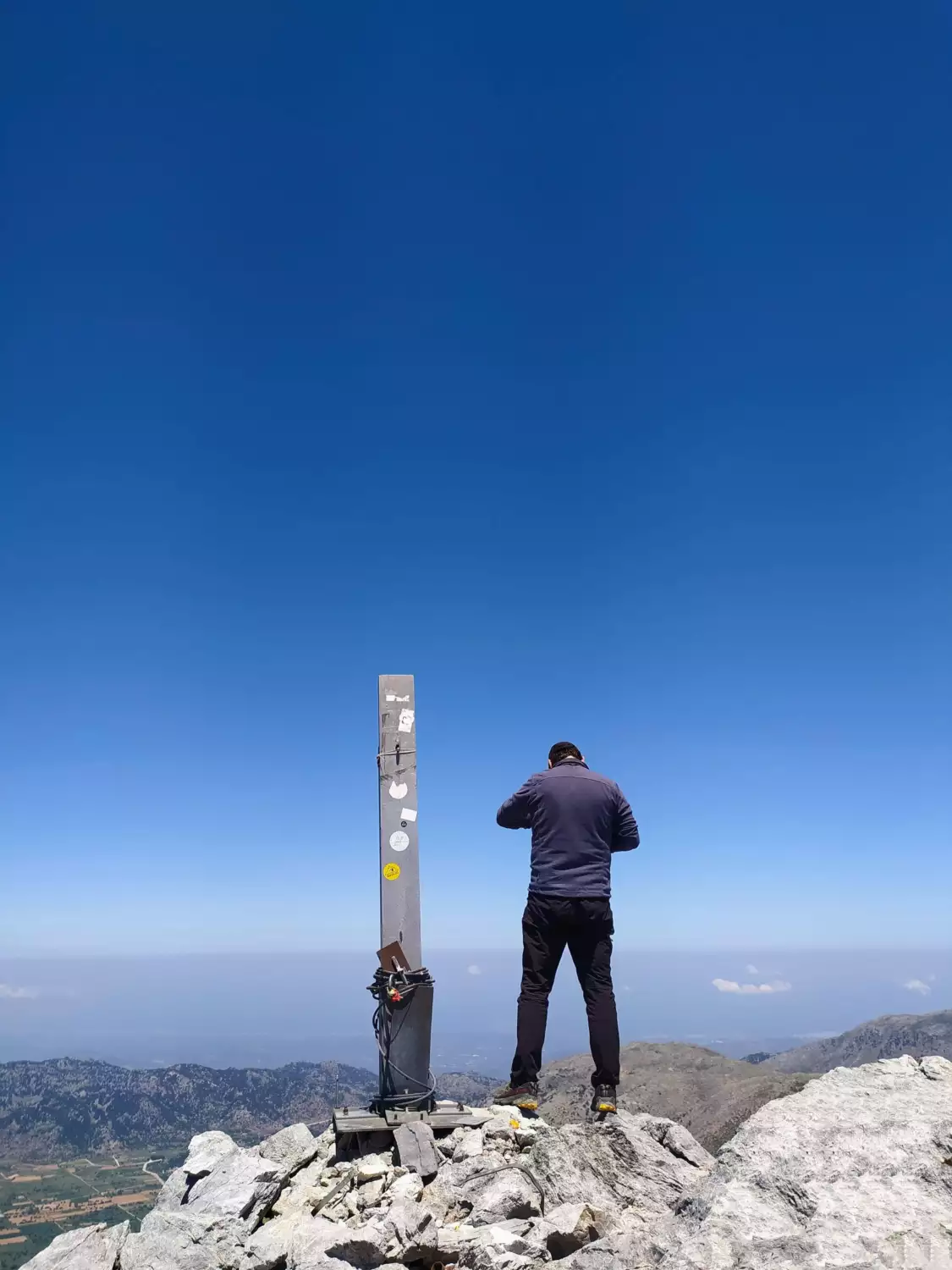
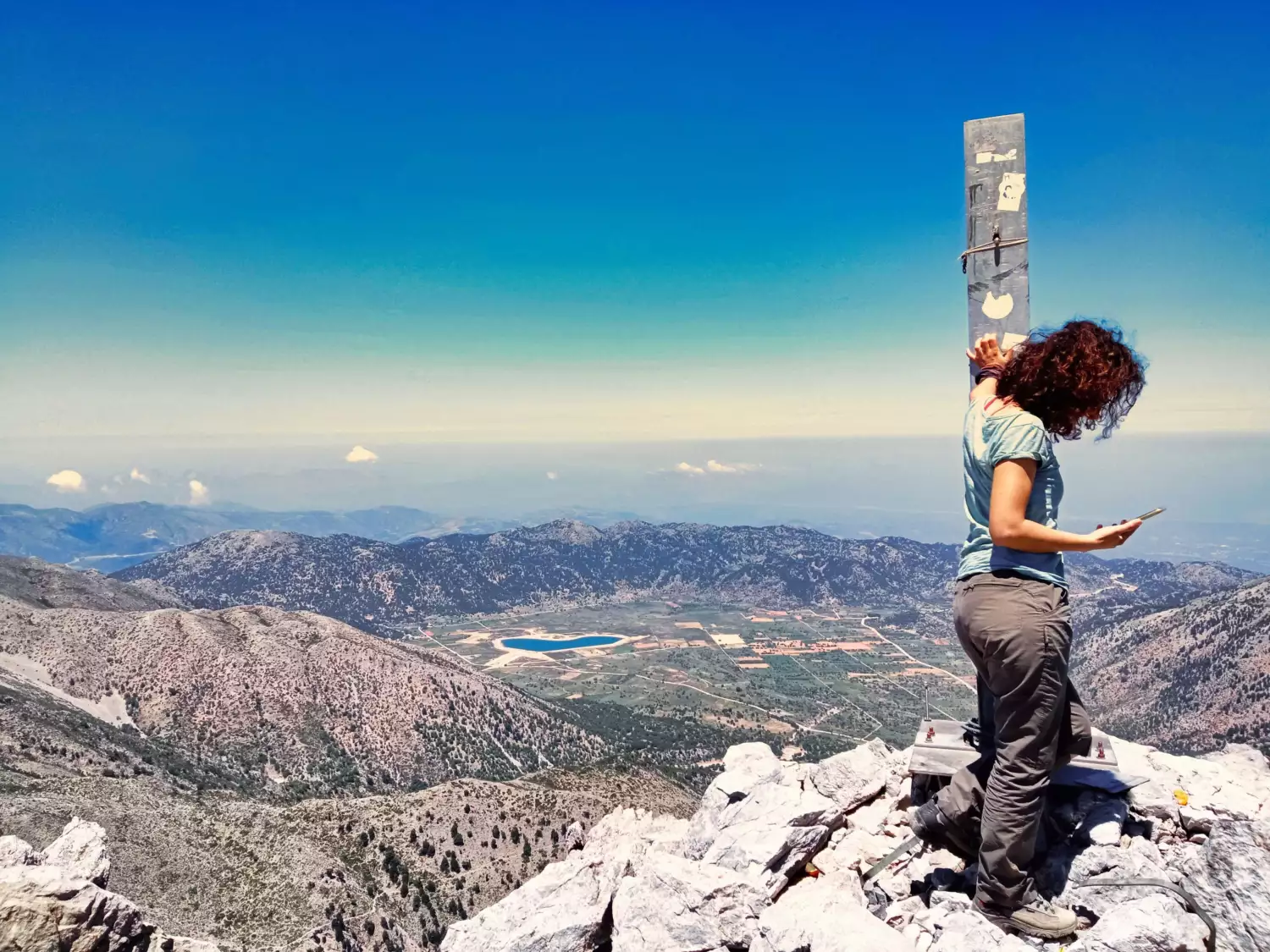
Our challenge culminates at summit of Kouloule, standing 1631m above sea level.
Despite a day of ascent yesterday, we're not stopping there. We're pushing on to 1631m above sea level to Kouloule summit. This summit, like many of the other mountain tops in Crete served as important observation points during the Battle of Crete. Having control of this high ground meant having an advantage in monitoring enemy movements and coordinating defence strategies.
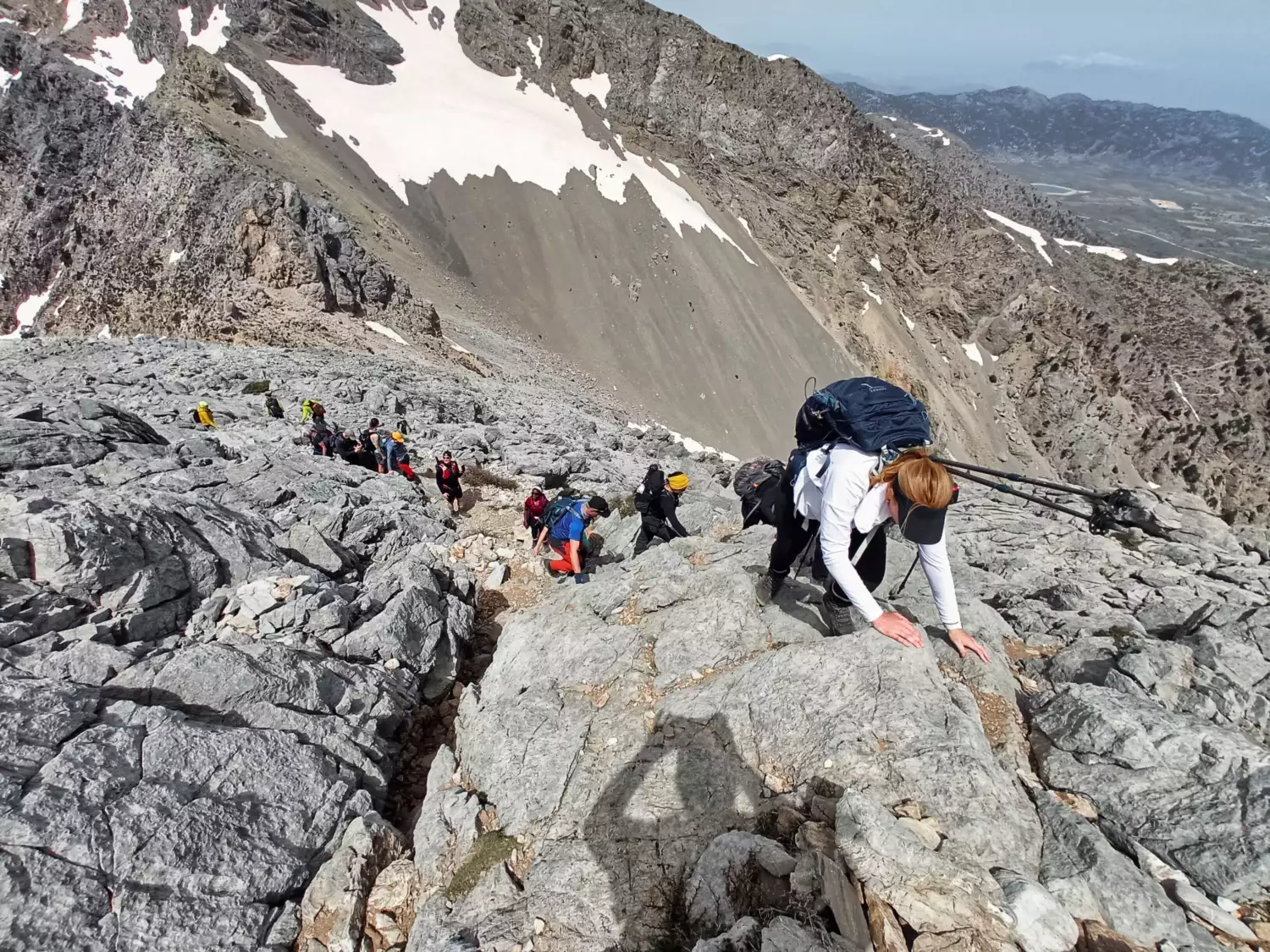
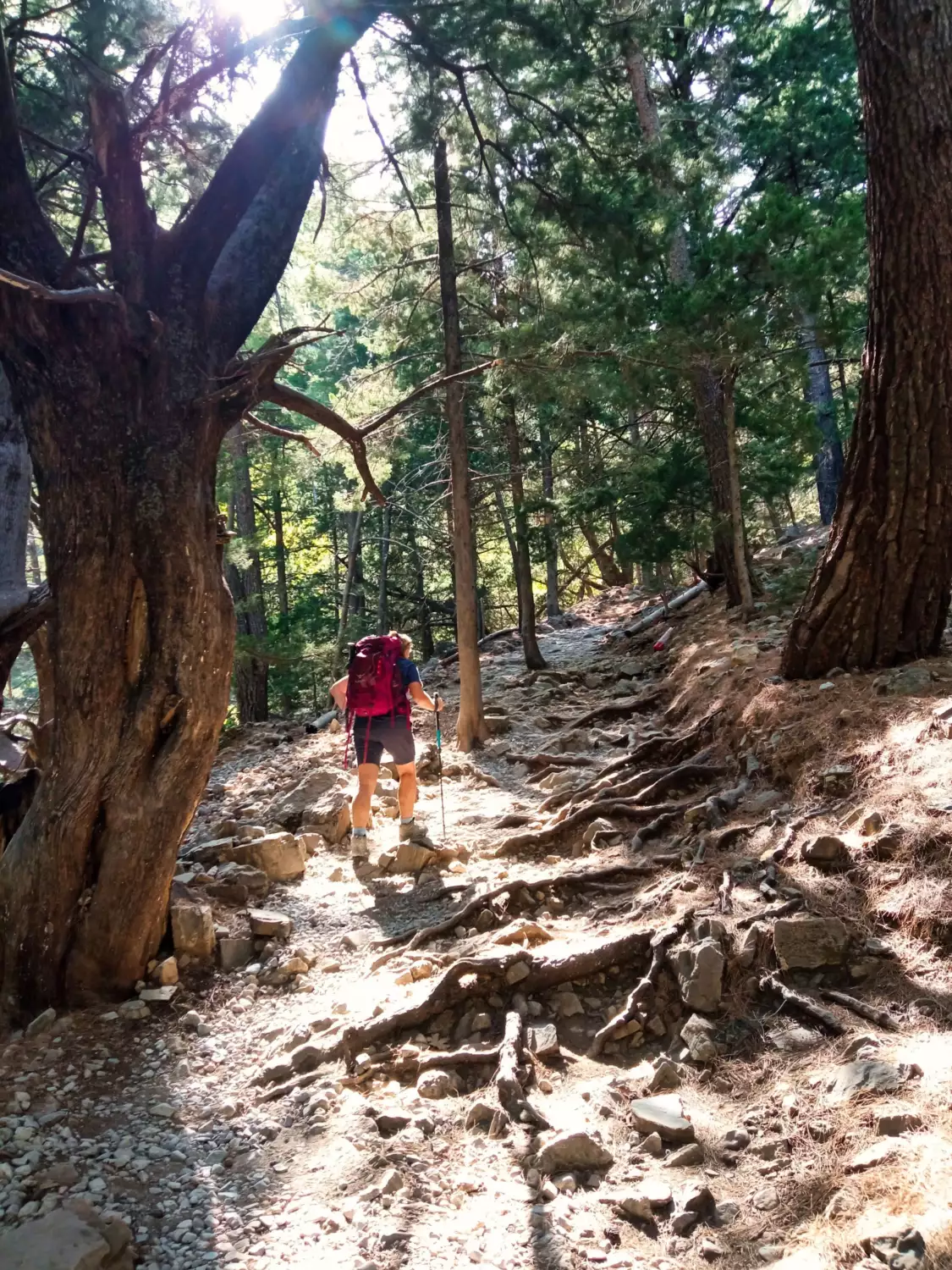
Departing on foot from our guesthouse we head up the old Shepherds trail up towards the ridge line. We start with a gentle ascent and then path steepens; the terrain is rocky and you need to really concentrate on this ascent route and pick your footing carefully. As you approach the ridge line there are impressive views across the Omalos plateau, over to Chania on the north coastline, and the Libyan coastline to the south. The final ascent up onto the ridge requires low level scrambling and at times you will need to use both your hands and feet, but there are plenty of places to grab hold of to help pull you up. When you get onto the top of the ridge it can be windy and it is very uneven terrain. From the summit we continue along the ridge line towards Kalergi Refuge where we will stop for lunch stop. From the refuge balcony there are incredible views across Samaria Gorge. There is a memorial to one of the Cretan shepherds, killed by the Germans, who was carrying messages across the mountains for the Allied troops
We follow the dirt road track down from the Refuge and pick up a track for the final descent to the Samaria. We will be collected by minibus and transfer back to our guesthouse to collect our luggage and then onward to travel to Chania.
Approximate distance 9.3km and total Ascent 729m/descent 531m
Accommodation and Meals
3* Hotel Chania and full board
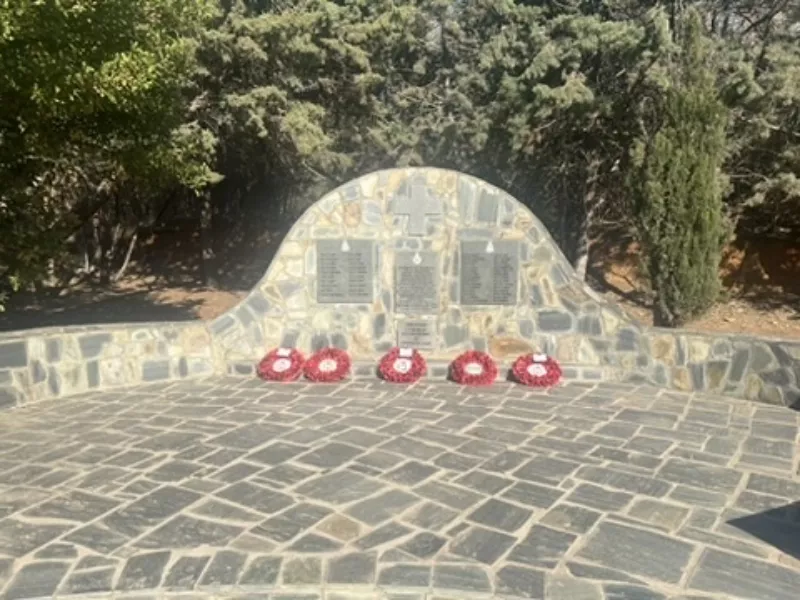
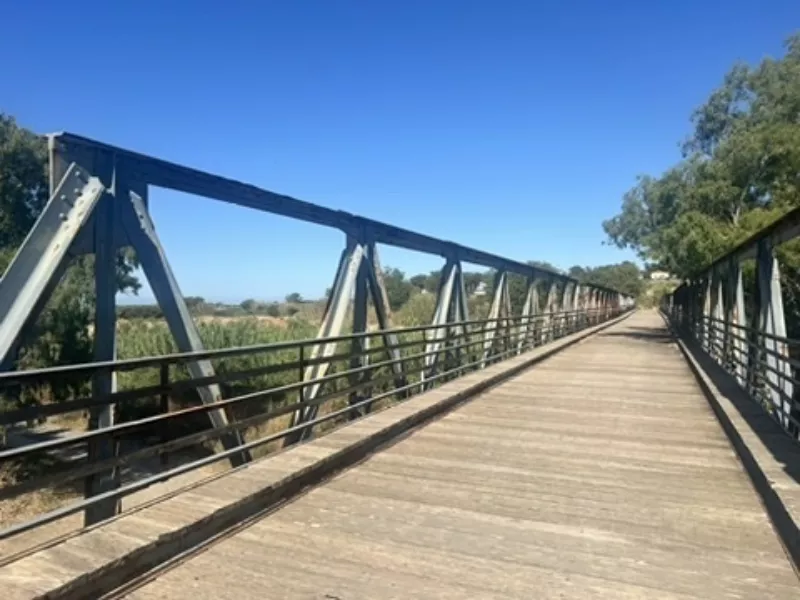
An educational and immersive delve into the Battle of Crete
Having completed our trek, we now embark on an educational tour, learning more about the Battle of Crete, and guided by a knowledgeable military historian. The experience will take us through significant locations and events of this dramatic World War II battle that have left a lasting impact on the island to this day.
We'll gain a deeper understanding of the strategies, challenges, and heroism that marked this conflict, all while exploring the historical sites where these events unfolded.
This evening we have a celebration dinner to mark our final evening together, and all that we have achieved.
Accommodation and Meals
3* Hotel Chania and full board
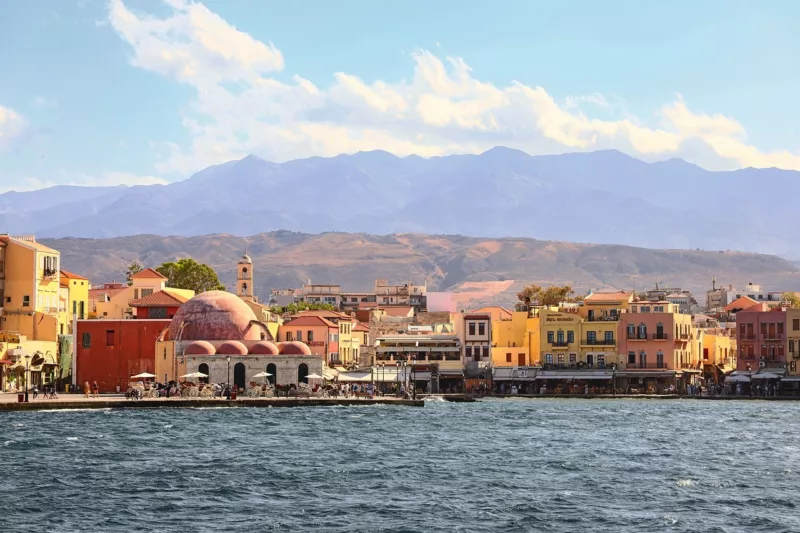
After breakfast, there will be time to do a little more exploring of the town of Chania and do some shopping before we have a final lunch.
The picturesque city of Chania, steeped in maritime history, includes the stunning Venetian harbour lined with colourful buildings and traders.
Accommodation and Meals
Breakfast and lunch
Trip Details
The dates below are available for booking now. If you're planning a private adventure with friends, tap the enquiry button and let’s build your perfect trip on dates to suit you.
Trip Details
This is what you will need to pay for/ buy/source yourself.
In a nutshell, almost everything!
This is what you will need to buy/source yourself.
Tribal Tracks has 100% Financial Protection and has a trust account with the Protected Trust Service, member number 5566.
This means that all client monies paid to Tribal Tracks are held in our dedicated trust account, which is supervised by an independent trustee. This means that in the very unlikely event that Tribal Tracks ceases to trade, your money is safe. For more information, please visit this link. Any flights booked for you by Tribal Tracks will be ATOL-protected under our own ATOL certificate.
In setting the maximum size of our groups, we take a number of factors into account.
Altitude, degree of difficulty, the terrain, the climate and time of year, all determine the maximum group size. Sometimes it will be 20, sometimes it will be 8-14, but safety is always our priority.
You will be accompanied by a Mountain Leader qualified Tribal Tracks UK Leader as well as supported by our local, in-country guides. If you are travelling with a charity team, someone from the charity will likely accompany the group too.
If your flights are included in the trip price you will automatically be booked on to the same flights as everyone else in the team, unless you let us know before or on booking. If you want to book your own flights, you need to ensure that you coordinate your arrival and departure times with the trip’s itinerary. If your dates/timings don’t align with the itinerary, you will be responsible for costs incurred for additional airport transfers or accommodation arrangements.
Tribal Tracks can book alternative flights for you (for example, from a different departure airport) but this may incur an extra charge. We will liaise with you about costs before booking to ensure you’re happy to proceed.
It is really important that you are well prepared for your physical challenge and that you are confident that you will be able to fully participate.
Although our leaders are well trained to deal with different capabilities, if they have any concerns about someone’s ability to safely partake in the trek, or their impact on other people’s enjoyment, we authorise them to take necessary action which, in some circumstances, may involve asking someone to step out of the trek. Although this is a very rare occurrence, by booking this trip you agree to section 11 of our Booking Conditions which clearly states that our leaders have the authority to do this. In these circumstances, we will ensure anyone sitting out is safely provided for and offered alternative options where possible. Refunds will not be provided for activities missed and customers may be liable for additional costs incurred.
Please check the most recent FCDO advice.
As this can change regularly, please check the most recent FCDO advice. We will advise of the current requirement in the pre-departure meeting closer to departure.
It is a requirement of Tribal Tracks booking terms and conditions that each supporter must hold their own travel insurance, which covers the trip and the activities they are doing. Read more here.
We advise you to put insurance in place as soon as possible, ideally on booking so you are covered immediately. There have been instances where someone has signed up, broken their leg a few weeks later, and been deemed unfit to travel. If travel insurance were in place, the non-refundable deposit could be claimed back from the insurance policy. Without this, your money is lost.
Your insurance must be valid and in date, covering the entire period that you are travelling for, including the return journey home. It must cover medical and personal accident risks, and should include repatriation costs and air ambulance or helicopter rescue services, where appropriate.
We will need to know the travel insurance provider, your policy number and the 24 hour medical/emergency assistance number.
Please inform us of any dietary requirements or allergies before you travel, and preferably at the time of booking and no later than 4 weeks prior to departure. We can cater to almost any diet, but only if we know about it beforehand.
For up-to-date vaccination information, please visit Travel Health Pro to see the most recent recommendations for your itinerary.
Although we are travel experts, we are not medical specialists, so we cannot explicitly recommend what vaccinations you should or shouldn't have. Always seek the advice of a medical professional if you are unsure. They will likely want to see a copy of your itinerary, and can then best advise whether they think an advised or 'to consider' vaccination is appropriate for you.
Please note that information on vaccinations can change at short notice.
At Tribal Tracks, Responsible Travel is enormously important to us, and our commitment to responsible travel is evidenced in every itinerary that we prepare.
Core to our business is the belief that holidays can and should be enjoyable to the traveller but should be conducted in a socially, environmentally and economically responsible manner which brings benefit to local communities. This is implemented through a variety of measures which can be found in our Responsible Travel policy. We encourage you to read this and to play your own part in travelling responsibly.
The Foreign, Commonwealth & Development Office (FCDO) monitors all overseas destinations and offers advice to British citizens. In order to be fully informed of safety issues, crime rates, political stability and local laws and customs, you can view the advice here.
We monitor FCDO advice carefully and may, on occasion, be required to cancel trips, reroute itineraries, or make other changes to trips based on the FCDO advice. Any decision will always be made in your best interests and fully communicated to you.
Tribal Tracks considers the safety of all of its participants and staff to be a top priority, and as such we have thorough safety systems in place.
In the event of an injury, we have an evacuation plan in place for all elements of the trek route. We do ask that you look after yourself during the trek in the following way, as this will help avoid unnecessary problems:
It is always important to have precautions in place to avoid heat-related illnesses that can spoil your day or adventure. Click here to find a couple of tips to help you stay safe and comfortable.
In many tropical countries, mosquitoes can spread diseases such as Dengue, Chikungunya, West Nile Virus, Malaria, Yellow Fever, and Zika virus. It is essential that you seek medical advice prior to travel, and especially if you are pregnant or have an underlying medical condition. Whilst travelling there are several simple measures you can take to reduce your risk of infections spread by mosquitoes: wear suitable clothing and cover up at times of day when mosquitoes are active, use insect repellent on exposed skin (containing 20% to 30% DEET), and use a mosquito net if sleeping in unscreened accommodation.
It is important to seek prompt medical attention if you have a fever or display any other symptoms. If you become unwell on your return, make sure you tell your doctor about any trips abroad you have taken in the past year.
We know that the unexpected can happen.
While you are away, things can happen at home and people may need to get in contact with you. This can be tricky when you are in remote areas. So, shortly before departure, we provide you with an Emergency Procedure document to distribute to your nearest and dearest. This sets out how to contact Tribal Tracks and the steps Tribal Tracks will then take to get in contact with you.
If you're not happy with something, please talk to the Tribal Tracks Leader. They are there to ensure your experience is as enjoyable as possible. They can only act on what they know, so please don’t be afraid to raise anything that needs addressing with them and certainly don’t wait until the end of the trip. If you’re travelling with a charity, someone from there will be on the trek too, if you’d feel more comfortable liaising through them.
You can also email us at any time using info@tribaltracks.co.uk, and we will respond to you within one working day.
If you are feeling unwell on this trek, tell your leaders and listen to their advice, they are professionals who will know the best course of action for you. If you need to be taken off the trek, or if there is an emergency, our experienced leaders and local guides carry phones and can call for help. No one will be left unaccompanied. If necessary, we hold details of your next of kin and travel insurance and will help organise next steps and onward arrangements.
If travelling with a child and only one parent is present, please be aware that you must have the permission of everyone with parental responsibility before that child can be taken abroad. You automatically have parental responsibility if you’re the child’s mother, but you still need the permission of anyone else with parental responsibility before you take the child abroad. A letter from the person with parental responsibility for the child is usually enough to show you’ve got permission to take them abroad. You might be asked for the letter at a UK or foreign border. The letter should include the other person’s contact details and details about the trip. If you are travelling with a child who has a surname different to your own, for example you are a single parent, you are advised to travel with evidence of your relationship (eg a birth certificate) and a divorce or marriage certificate if applicable. In other scenarios, for example, you are a grandparent taking your grandchild on a trip, or you are taking your child’s friend on a trip, you should be able to provide evidence that you have permission from the child’s parents to do this. You should also check the requirements of the country you are travelling to, as they may have additional specific requirements and the age limit up to which a person is considered a child may vary.
Trip Details
This kit list is meant as a guide — it might not be crucial to purchase everything on this lisk, ask us at any point if you are unsure.
Trip Details
Your main luggage will be transferred from point to point for you and you will not have access to this during the day. You will therefore carry the essentials with you in your day sack. We recommend the following (and therefore recommend this is what you train with too)
On day three of the trek, you might not be reunited with your luggage until around 1930pm, so you might want to add a spare pair of clothes to change into if you want to change before your luggage arrives.
Your trip will be led by an experienced Tribal Tracks Leader. All Tribal Tracks Leaders have (at least) a Mountain Leader Summer Qualification and relevant outdoor first aid qualifications. The Tribal Tracks Leader usually meets the team at the airport in the UK and travels with you, but if they are already in-country, or travelling from elsewhere, they will meet you on arrival at the airport in Chania. We will also be accompanied by local guides (the number will depend on the team size). Our Cretan guides always receive exceptional feedback, like this "The best guide I’ve ever come across. His language skills and attention to logistical detail were top drawer. He shared his extensive knowledge very generously. Most importantly, he led us at a perfect pace and with confidence”
As this trek is from guesthouse to guesthouse, you will have access to electricity to charge your devices each night, and Wi-Fi will be available in most of the accommodation. Of course, there might be power outages or Wi-Fi outages that are out of our control, but to date, we haven’t had any issues! We recommend that you bring a multi-region adapter plug with you.
If you want to use your mobile data while on the trek, be aware that it may incur extra charges from your carrier. It might be worth purchasing an eSim from Holafly, Airalo or similar.
Meals are provided throughout from dinner on the day of arrival to lunch on day of departure. Water will be provided with each meal. Alcoholic drinks are not included but can be purchased.
While on trek, breakfast and dinner will be in the guesthouses, and packed lunches will be provided by the guesthouses. The main meal will typically be lamb or chicken with vegetables and packed lunches will typically consist of bread, cheese/meat, a savoury snack, fruit and nuts.
We will have our last evening meal at a restaurant in Chania, and our final lunch in Maleme.
We can cater for all dietary requirements but all participants must declare these on booking. We need to let our local teams know well in advance, as well as the airline.
You will collect your water for the day ahead (until you reach your next accommodation) at breakfast. We recommend bringing at least 2 x 1l water bottles or a water bladder. Water bladders make it easier to drink on the go. Remember that 1l of water weighs 1 kilogram. There will be points to stop and fill up enroute each day if you need to (Day 1 - Loutro, Day 2 - Cafe, Day 3 - springs at half way point in Gorge, Day 4 - Refuge)
As we are staying in guesthouses throughout the trek, you will have flushing toilets at the start of the day and at the end of your trek. If you need to ‘go’ during the day, remember to leave no trace - this is what the baby wipes and nappy sacks in your day sack are for. You will have to carry everything with you until you come to the next bin.
In September, on the south coast, the weather is warm, dry and sunny Mediterranean weather. Crete's south coast, it is often slightly warmer and drier than the northern part of the island due to the mountain range blocking northerly winds. You can expect daily temperatures of around 27°C, with a pleasant drop to around 20°C at night. Should you fancy a dip in the sea, this is a very inviting 24°C.
Rain is incredibly rare at this time of year, with an average of only two rainy days for the entire month, usually in the form of brief, scattered showers.
One of the great things about this trek is that there is no camping. As much as we love camping, you can’t beat a warm shower and a bed each night. Hotel rooms and local guesthouses are usually twin-share. If you’re travelling as a couple, we’ll book a double where possible.
A single supplement (£150) can be offered on nights 1 and 5 (at the hotels in Hora Sfakion and Chania) but due to the size/configuration of the guesthouses in the more remote areas, a single supplement is not available as we cannot guarantee it (days 2, 3, 4).
It is important to pack so that you know where everything is. Here at Tribal Tracks, we are big fans of separating kit into different packing cubes (compression ones are great), or even just individual plastic bags can really help with this.
You can pack by item (e.g., socks and pants in one cube, tops in another, waterproofs in another etc.) or by day, putting your entire outfit for that day together in one place. We recommend taking an extra bag or cube to separate the dirty kit from your fresh clothes, too.
You will have two bags on the trip - your main bag and your back pack.
You should operate on the basis that you will not have access to your main bag during the day and while you are trekking. This means that it is important to have everything you need in your back pack. Waterproofs should go in the bottom, together with an extra layer, sunscreen and sunglasses, plus hat and gloves (if you are in a colder climate). You should also have your water bottles, and any specific snacks, medicines or first aid items you want to take, such as zinc tape and blister plasters. Baby wipes/toilet roll and nappy sacks are also essential for going to the toilet while you are trekking - we will explain more in the pre-departure briefing!
In the event of an injury, we have an evacuation plan in place for all elements of the trek route. We do ask that you look after yourself during the trek in the following way, as this will help avoid unnecessary problems:
We ask that your luggage is kept to the absolute minimum. We will tell you the weights that you should not exceed, but usually (depending on the airline), your main bag should not exceed 23kgs in weight.
It is important that you wear your trekking boots or take them in your hand luggage on the flight, as they are vital for the trek and cannot be replaced if your luggage is lost.
We recommend leaving behind items such as high-value jewelry, watches, etc. Your passport and money should always be kept on your person.
The trek is a challenge. We will be walking for a long time over sometimes challenging terrain with steep ascents and descents.
The best way to build endurance fitness is to start with some gentle walks and gradually build up both the distance and duration over the next few months. In the last 2 months, we would recommend to go out and do long days, ideally in the hills, to build up the strength in your legs. About a week before the trek, limit any training to short walks – you want to have fresh legs at the start!
For the trek you should be comfortable trekking between 6 - 8 hours per day, but remember we have all day to achieve the distances and will not be going at racing snake pace. It may sound obvious, but make sure that you are walking properly, hitting the ground with your heel first, then rolling onto your toe, which pushes you onto the next step (this will help reduce the risk of shin splints and tendon pulls). Walk with your head up, eyes forward and shoulders level.
It is a good idea to develop a level of cardiovascular fitness (exercising and strengthening your heart and lungs). This comes from running, cycling or swimming for between 20 minutes and an hour, and will really help develop your endurance fitness. Three sessions a week is normally advised, increasing time and distance over time.
Replicate conditions in training i.e., use all the kit you will be using and try your walking poles if you want to use them.
Trip Details
If you want to alter the length of this trip, or want to make any changes or add any other activities, just let us know, we are happy to adapt where possible.
Have a question? Get in touch, our small team will be delighted to help.