Tribal Tracks is completely opposed to animal cruelty and exploitation. We will not knowingly design, sell, promote or profit from an activity that causes an animal pain, fear, distress, injury or deprivation, prevents normal behaviour, or treats an animal as a prop for entertainment. Animal welfare comes before customer demand, commercial benefit, local custom or convenience.
1. The Standard we use
We use the ABTA Animal Welfare Guidelines and advice from recognised animal-welfare and conservation organisations to inform our decisions. We assess welfare through the Five Domains: nutrition; physical environment; health; behavioural interactions; and the animal’s mental state.
In plain English, an animal must have suitable food and water; a safe and appropriate environment; proper veterinary care; the freedom and opportunity to behave naturally; and a life that is not dominated by pain, fear, frustration or distress. Meeting local law is only the starting point. Where local standards are lower than the standards in this policy, we will apply the higher standard wherever we can.
2. Activities we will not support
We will not include, sell, promote or knowingly facilitate the following activities. This list is not exhaustive: if an experience exploits an animal or creates unacceptable welfare risks, we will not support it simply because it is not named below.
3. Wildlife Viewing
Watching animals in the wild can support conservation and local livelihoods when it is carefully managed. Our wildlife experiences should allow animals to behave naturally and choose whether to remain nearby.
4. Working Animals
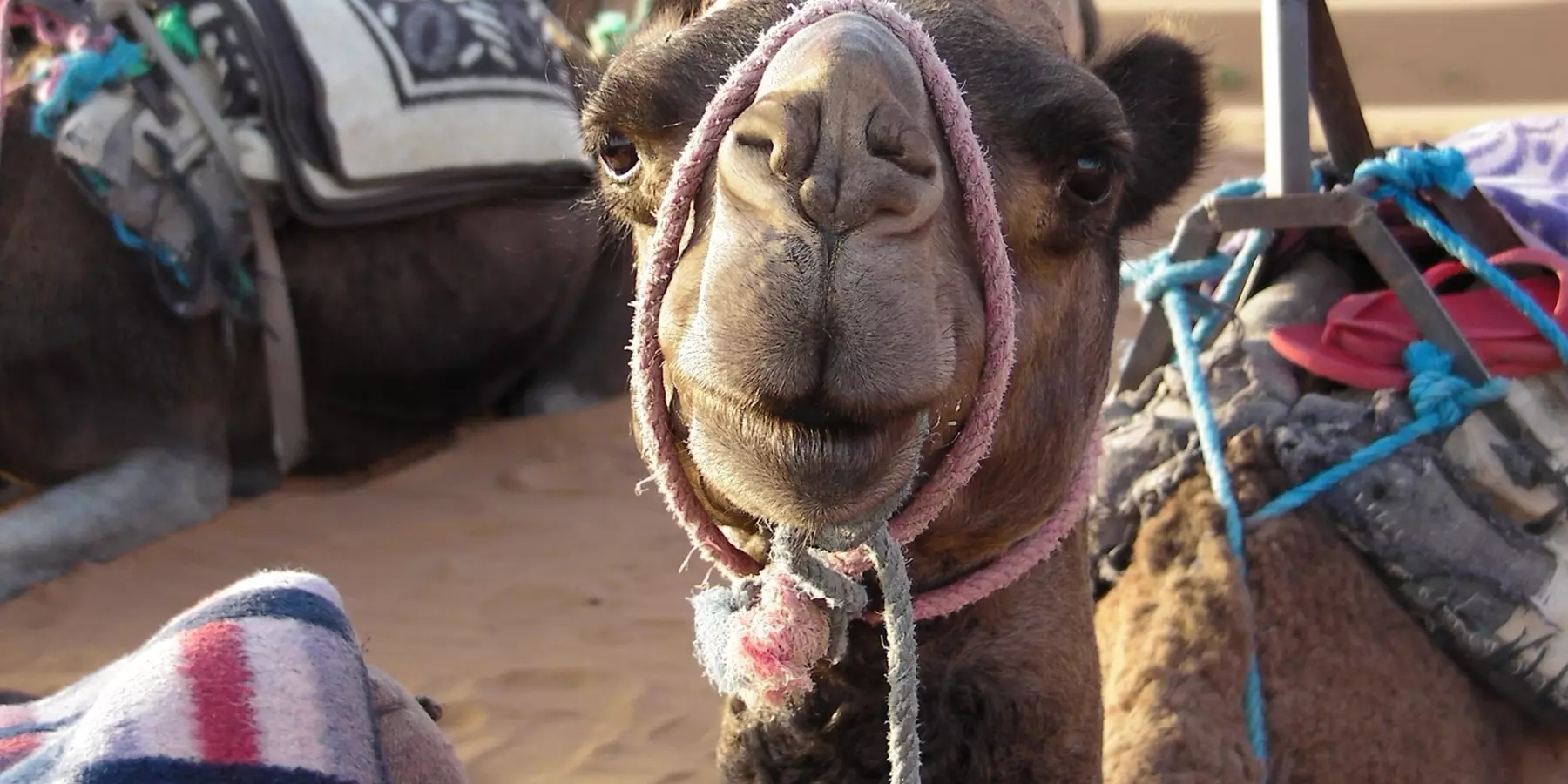
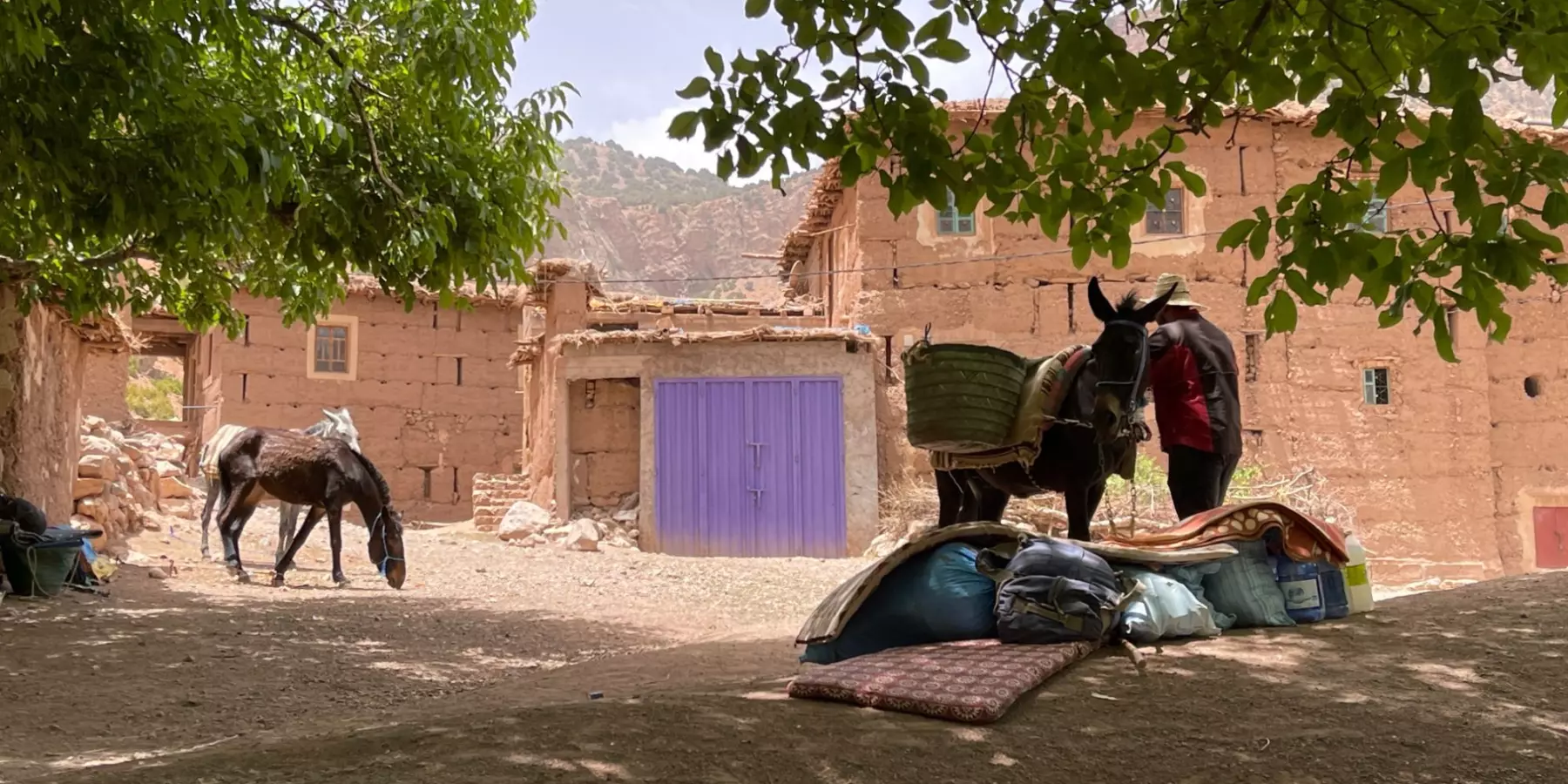
Some destinations use horses, ponies, mules, donkeys, camels or other animals for transport or carrying equipment. We will avoid using animals where a suitable non-animal option is reasonably available. Where working animals are genuinely necessary or form a carefully assessed part of an itinerary, their welfare must come first.
If a Tribal Tracks leader or local guide believes an animal is unfit or being mistreated, that animal will not be used. An activity may be changed or cancelled as a result.
5. Captive facilities and genuine sanctuaries
We prefer responsible wildlife viewing in natural habitats. We will only consider a captive facility where there is a clear conservation, rescue, rehabilitation or education purpose and the welfare of each animal is demonstrably the priority.
Before supporting a facility, we may ask about its licences, animal records, source of animals, breeding and trade policies, veterinary provision, enclosure design, enrichment, handling, visitor contact, release work and independent oversight. A name such as ‘sanctuary’, ‘rescue centre’ or ‘orphanage’ is not proof of good welfare and we have, and will continue to alter itineraries where facilities do not meet our standards.
6. Suppliers and trip design
Animal welfare is considered when we design and review itineraries and appoint suppliers. We communicate our requirements to relevant partners and expect them to pass those requirements to anyone they subcontract.
7. What we ask of participants
Participants can help prevent demand for harmful experiences. While travelling with Tribal Tracks, please:
We may ask a participant to stop an activity or leave a site if their behaviour risks animal welfare or safety. A serious or repeated refusal to follow instructions may be dealt with under our booking conditions.
8. Stray and companion animals
Feeding or handling stray animals can unintentionally spread disease, increase conflict or undermine local welfare programmes. Participants should not touch or feed stray animals unless a responsible local organisation or guide advises that it is appropriate. We favour support for reputable vaccination, neutering, rescue and community-education programmes rather than short-term interventions that may cause further harm.
9. Raising and responding to concerns
Tell the Tribal Tracks trip leader or local guide as soon as possible if you witness poor treatment. If it is safe, note what happened, where and when; photographs or video may help, but nobody should put themselves or an animal at risk to obtain evidence.
We will take credible reports seriously, record and review them, speak to the supplier where appropriate and decide what action is needed. This may include stopping an activity, arranging care, reporting the matter to the relevant authority or animal-welfare organisation, requiring improvements, suspending a supplier or ending the relationship.
Concerns can also be reported after the trip to info@tribaltracks.co.uk. Please include enough detail for us to investigate.

Have a question? Get in touch, our small team will be delighted to help.