Loved it - the best way to catch up with friends, challenge yourself and explore a beautiful country.
Felix H
Location
Terrain
Difficulty
Accommodation and Meals
Hotel, Guesthouse
Duration
10
Meeting Point
London/Beijing
Annual Leave
6
Group Size
16
Seasons
March-May, September to November
Walking Distance
30km approx
An immersive and culturally enriching multi-day trek
An in-depth exploration of one of the New Seven Wonders of the World
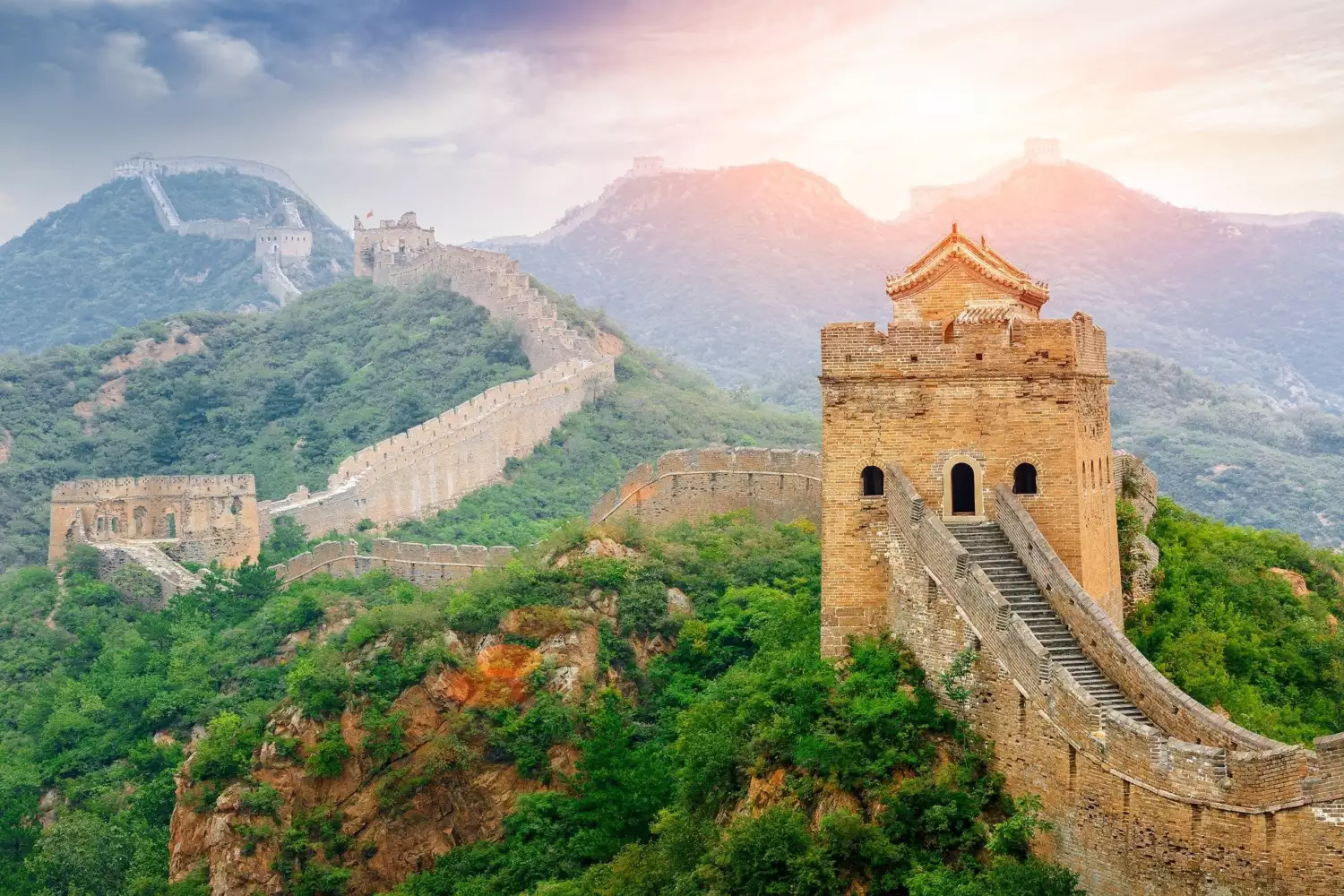
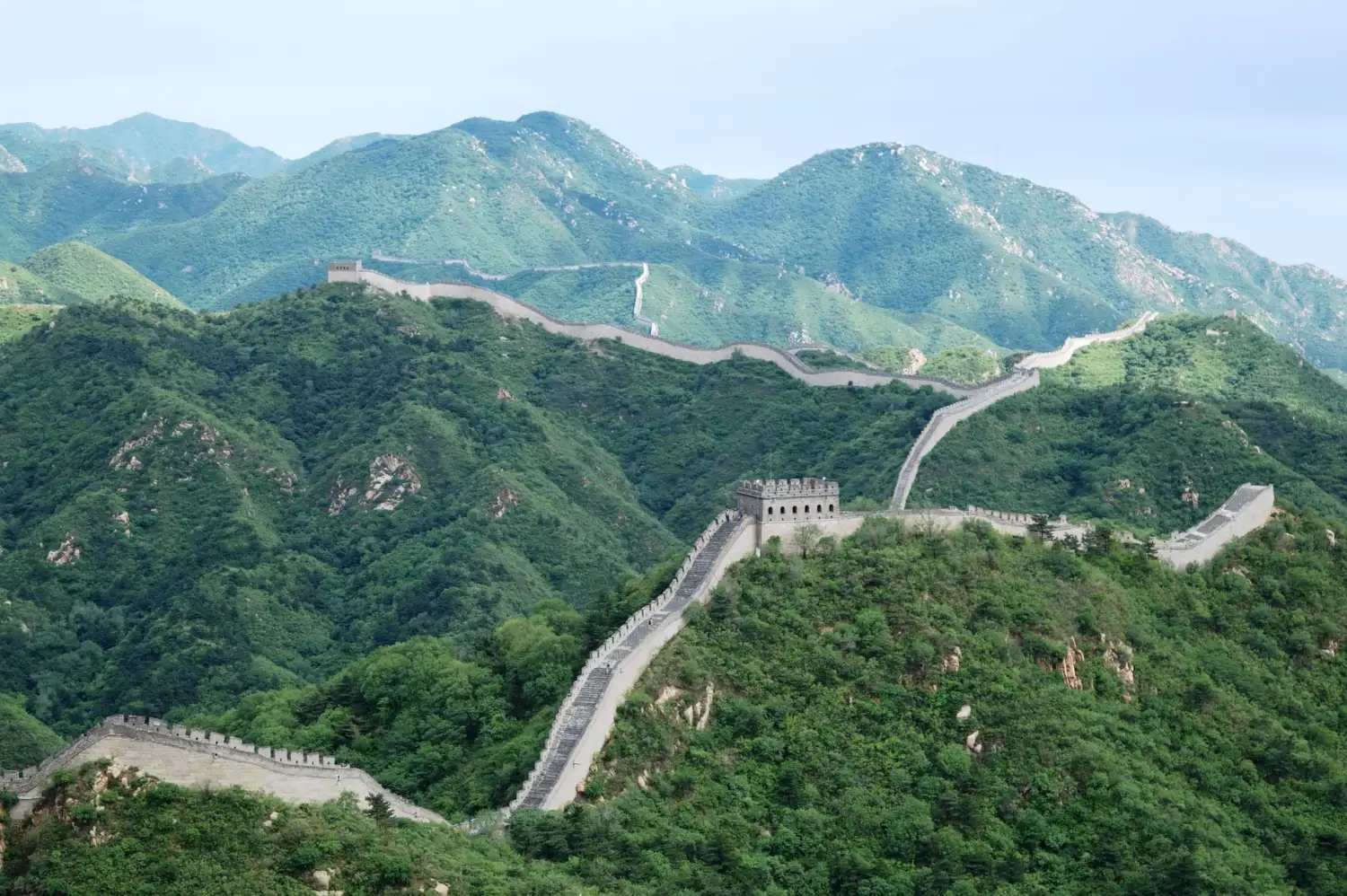
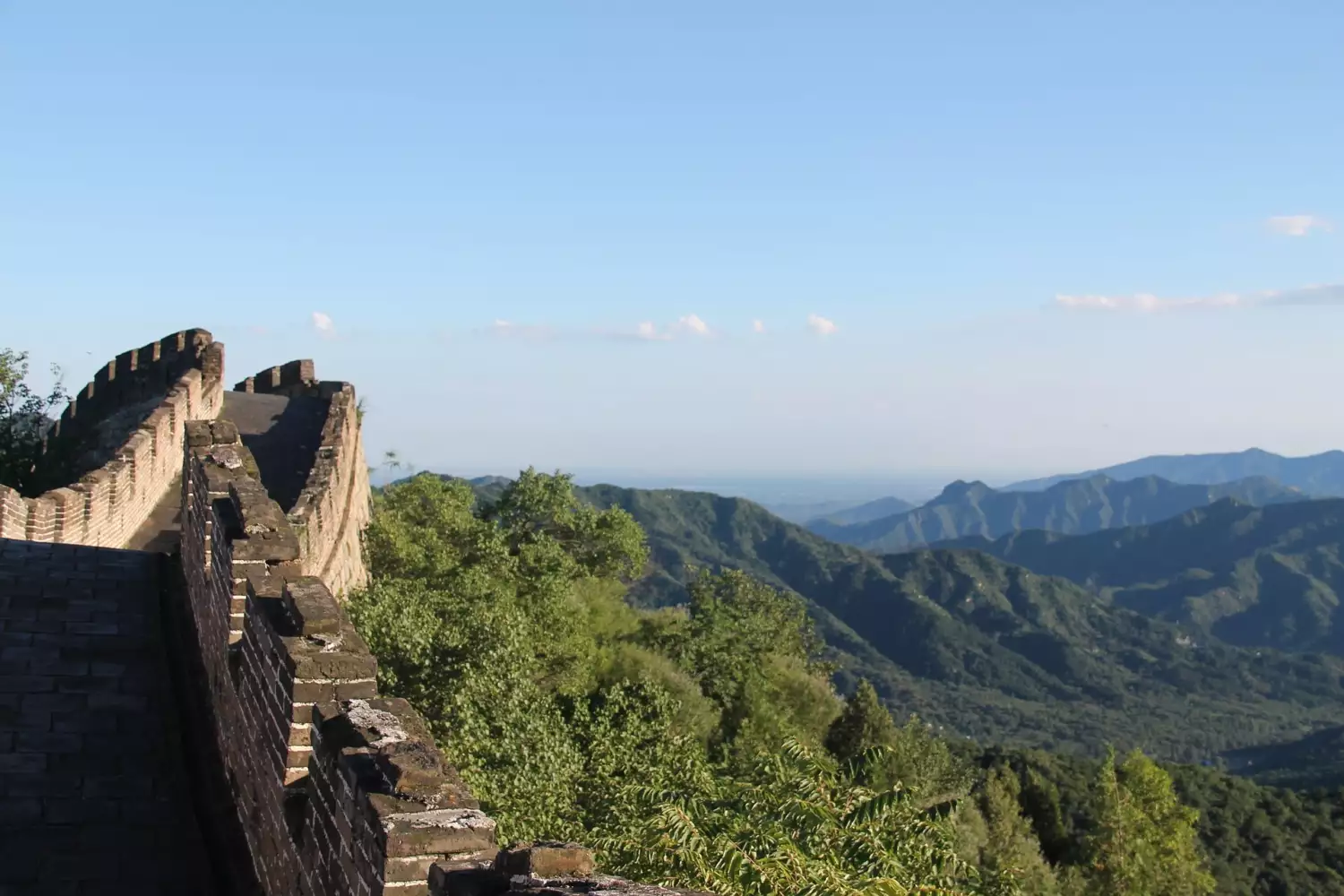
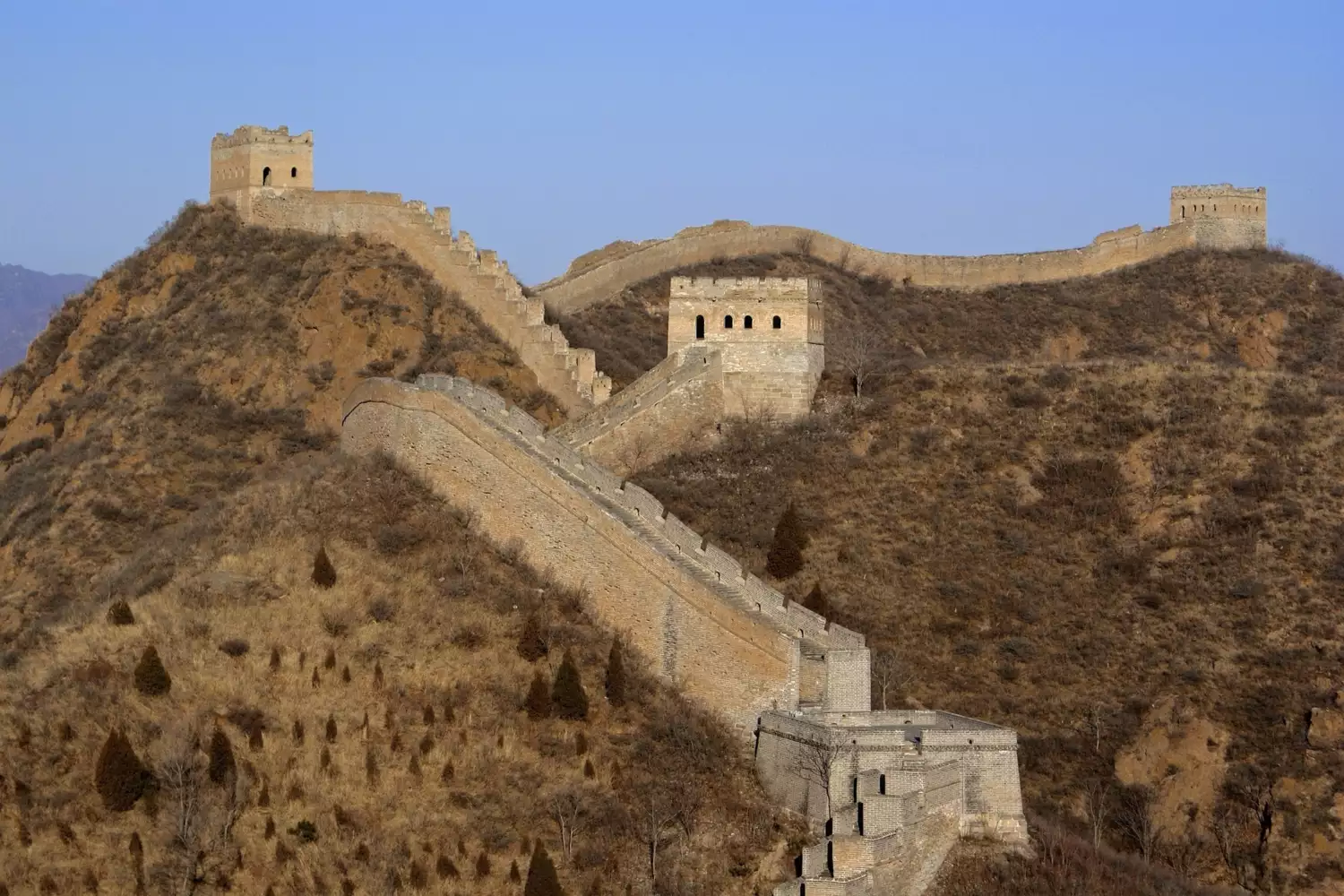
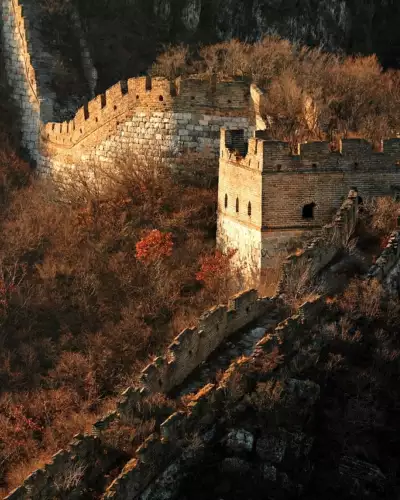
Explore five different sections of the wall - experiencing changing scenery including mountains, forests and vast plains
Stay in authentic local farmhouses, enjoying interactions with local residents to add to the authenticity of the adventure.
Enjoy genuine local Chinese cuisine
All the info you need
Trip Details
This multi-day trek visits five unique sections of the Great Wall of China. Due to the undulating and sometimes tricky terrain, it's fairly physically demanding, although with appropriate training at home, it can be considered 'less challenging' than many of our treks. You will not be 'on' the wall at all times; instead, you will walk next to it. Prepare for grassy/rocky terrain.


Trip Details
Trek along one of the world's most iconic manmade structures, experiencing fascinating culture and delicous cuisine throughout.
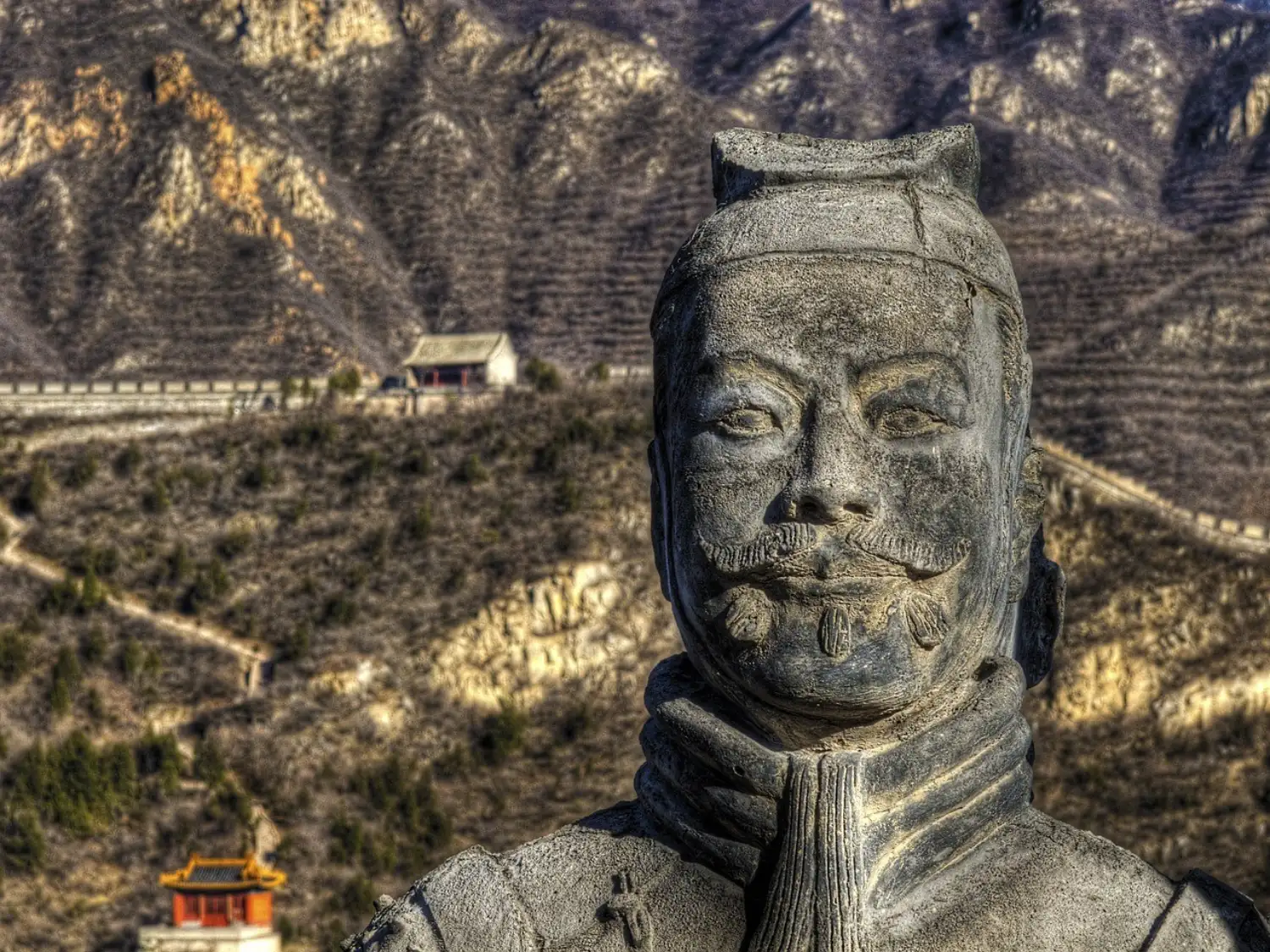
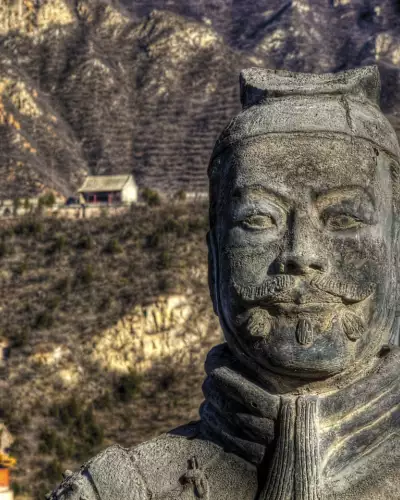
By embarking on this trek, you'll gain a much more comprehensive insight and a better understanding of the wall's historical context and significance than a typical day visit, and you'll be able to explore the changing scenery and landscapes of each section of the wall that we will visit, not to mention the sense of achievement for pushing yourself to take on this trekking adventure. We will have plenty of time to explore the watchtowers, beacons, statues, and other architectural features en route without being rushed on as you would in the busier tourist hotspots of the wall.
At night, we will retire to our farmhouses or guesthouses to learn more about the lifestyle of the local residents and taste some delicious Chinese cuisine.
The trek is bookended by guided tours of Beijing to include all of the typical (but nonetheless impressive) highlights, as well as some free time to explore on your own.
Please note - sections of the wall could be closed by the Chinese authorities at any time, often with short notice. If this happens, we will seek out alternative comparable routes or activities.
Flights are included on this expedition. You will be met by your Tribal Tracks Expedition Leader at the airport in the UK
Accommodation and Meals
NA- overnight flight
Arrive Beijing
When we arrive in Beijing, China's political and cultural centre for more than 700 years, we'll transfer to our hotel. We'll get checked in and comfortable before visiting the local theatre to see an acrobatics show. After this, we will have our first team meal together.
Accommodation and Meals
Hotel, dinner
See the highlights of Beijing
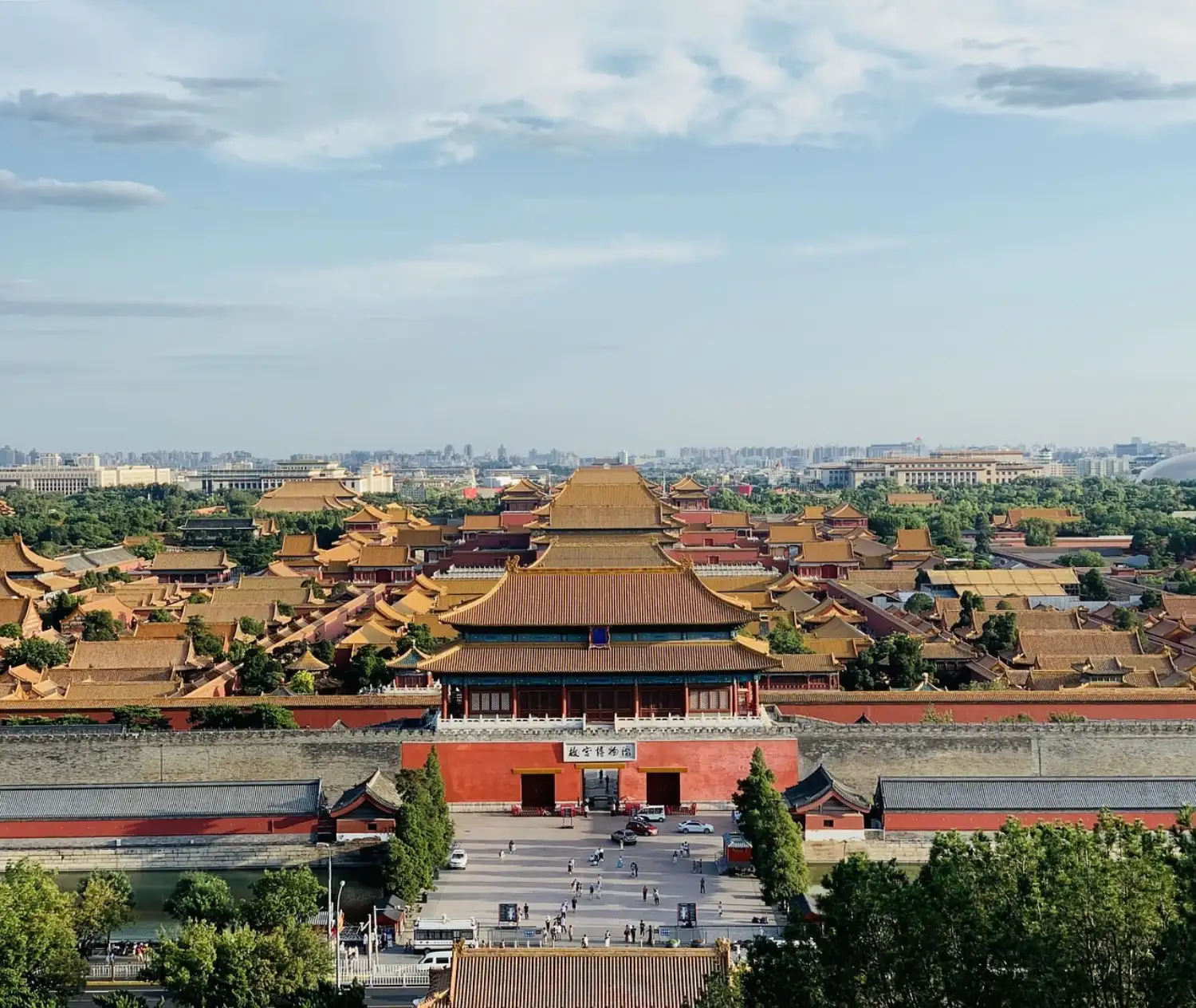
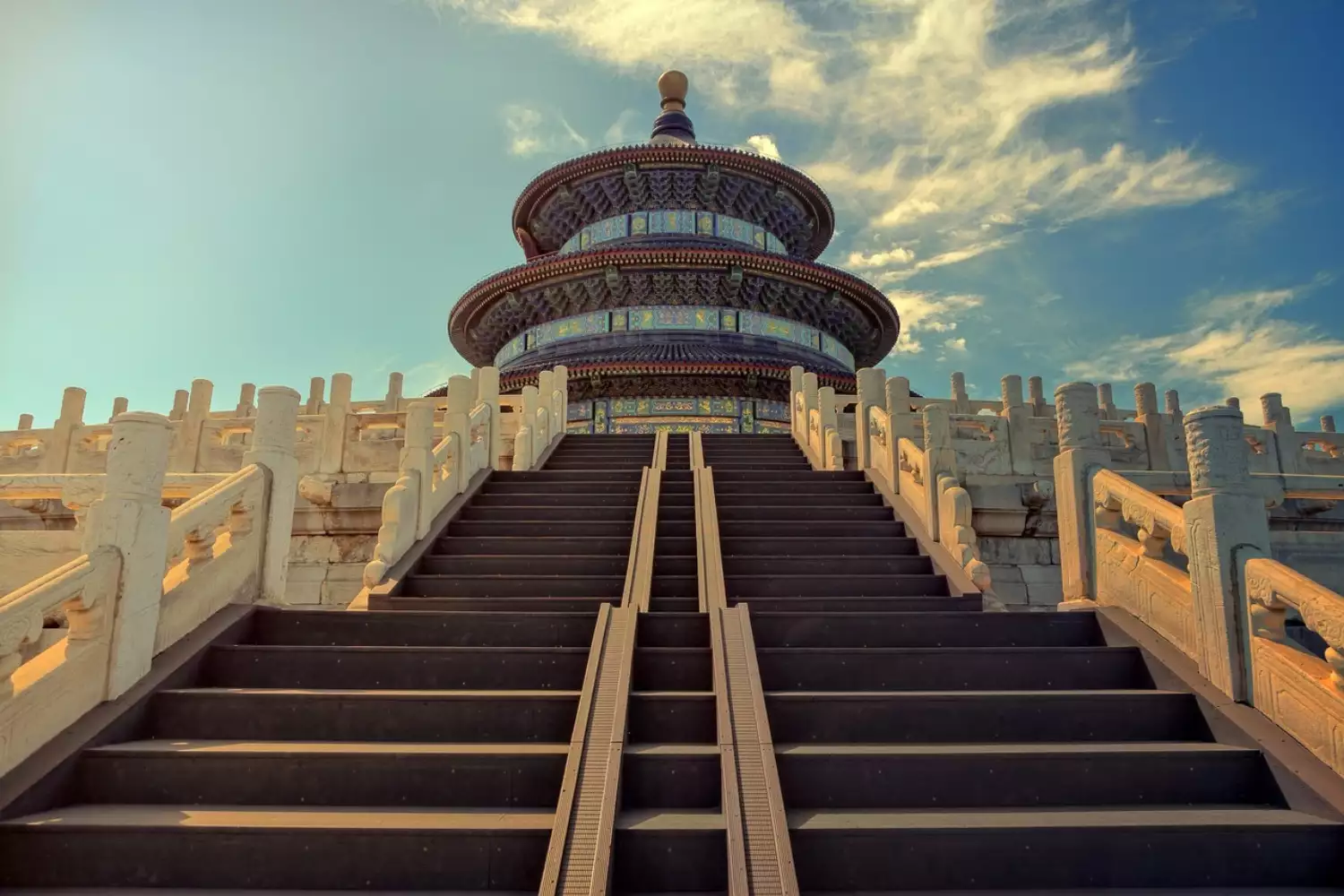
This morning, we will be guided around the main unmissable attractions in Beijing. These include the Forbidden City, the moat-surrounded palace of 24 Chinese emperors for nearly 500 years, and an architectural marvel that showcases traditional Chinese palatial construction at its finest. We'll also visit the UNESCO World Heritage site - the Temple of Heaven, where emperors visited for annual ceremonies of prayer to Heaven (to pray for good harvests). The building's design reflects cosmological and philosophical beliefs.
No visit to Beijing would be complete without visiting Tiananmen Square, where a series of events and protests calling for political reform in 1989 ended in a violent crackdown and a profound long-term effect on China's political landscape.
Later in the afternoon, we will transfer to the mountains - the gateway to our Great Wall Trek.
Accommodation and Meals
Local guesthouse, full board
Taipingzhai to Quiangang ancient village via Huangyaguan. Trek 10km/6.5 hours
The start of our Great Wall Trek is Taipingzhai. We'll have a short drive from our accommodation to the start point and will be instantly rewarded with stunning views. The wall stretches far into the distance, and this is the distance we will cover today, and beyond.
Be prepared to walk up and down a lot of steps. When we say a lot of steps, we mean a lot of steps! The first part of today's walk will be on a beautifully maintained section of the wall, crossing over the village of Huangyaguan and onto the Huangyaguan section of the wall. You guessed it, more steps, including the 'Sky Ladder' — 302 near-vertical steps (there is a handrail!). We'll stop for a packed lunch near the top of the Sky Ladder before continuing.
The further we travel on today's journey, the more remote and rugged we'll feel, and the more unstable the terrain will be underfoot. We continue the trek to an ancient and completely unrestored section of the wall, where it is unlikely we will see any other visitors. We have a steep descent on very rocky ground to the end of today's trek- Quiangang ancient village. We have a short drive back to our accommodation, split between cars as the road is unsuitable for busses.
Before lunch:
Distance: 2.5 km, 2 hours, total climb: 193-260m, Total descent: 377-442m
After lunch:
Distance: 7.5 km, 4.5 hours, total climb: 700-900m, Total descent: 600-1000m
Accommodation and Meals
Local guesthouse, full board
Trek 4.5km/3-4 hours
Transfer North for 2 hours to begin trek.
This is the shortest distance day on the oldest section of the Great Wall from the Ming Dynasty. It is completely unrestored and wild. The challenge here is a steep ascent at the start of the day, with lots of loose rocks on the descents. It's unlikely you will see anyone else on this day. The trek finishes with a walk through farmland and blossoming fruit orchards.
Distance: 4.6 km, 4.5hours, Total climb: 389 - 450m, Total descent: 301-350m
Accommodation and Meals
Local Farmhouse, full board
8km / 5 hours
This section of the Great Wall, approximately 10km end to end features a mix of restored and unrestored sections, so you'll get a glimpse of the wall's original state. It was designed as a vital defence system, to protect the northern borders of China from invasions by nomadic tribes. There are some steep climbs on this section and the terrain is uneven but once again, you will be treated to awe-inspiring views in every direction, including views of Beijing. Be prepared to walk up and down a lot of steps again!
Accommodation and Meals
Local farmhouse/ full board
Trek 5.5k, 4 hours then 3.1k, 3 hours
Gubeikou (originally named 'Beikou' - 'Northern Pass') is known for its rugged beauty. It traverses a rugged and mountainous landscape and has never been reconstructed. It's often considered as the 'wild' Great Wall, but it is an easier walk than yesterday.
After a filling lunch, we will continue our Great Wall Trek by climbing to Wangjinglou Tower (tower 16), the highest tower at Simatai. You will have stunning views and be able to look across to some of the wall that you've already trekked.
Accommodation and Meals
Local guesthouse, full board
Trek 5km / 4 hours
We have an early start for our 2.5 hour transfer to Jiankou.
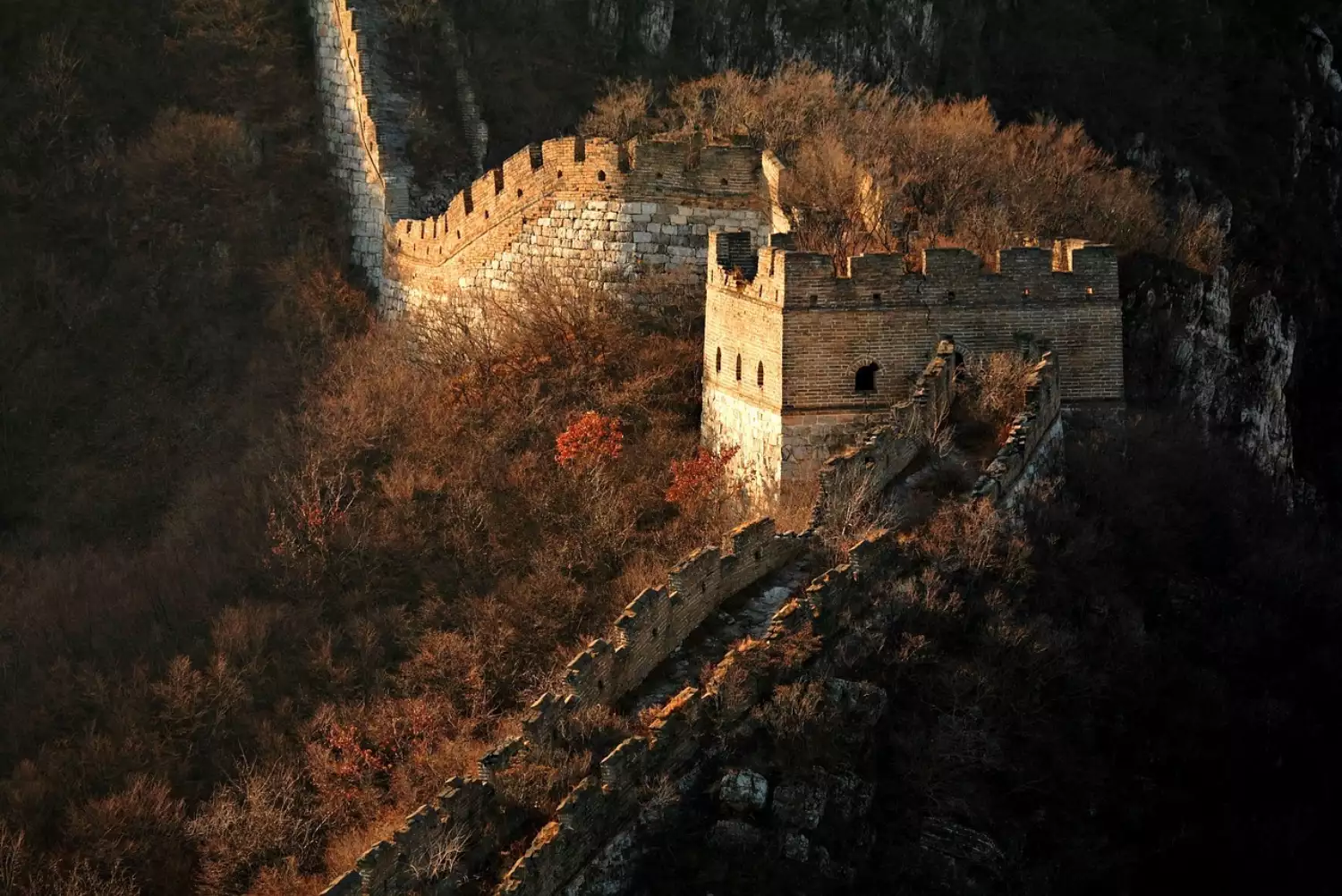
This challenging section of the wall remains largely unrestored and was left untouched for centuries. In 2015 some restoration took place to prevent accidents, as there had been some. Jianjou translates loosely to 'Arrow Nock' as this is what the shape resembles. The trek, which runs along the top of jagged mountain features rugged terrain and some steep sections, is often considered the most precarious section of the Great Wall. With the distinctive 'Z' shaped path and wild and rocky appearance, it is one of the more difficult sections of the Great Wall to tackle, but you'll be rewarded with stunning views.
That is the end of our trek! What an achievement!
We will transfer back to Beijing to our comfortable hotel and celebrate together with an evening dinner in the city - Beijing hotpot!
Accommodation and Meals
Hotel, full board
Discover more Beijing highlights
This morning we will then explore the historic hutongs (alleyways) by Rickshaw with knowledgeable guides, stopping at. We'll see local residents going about their day-to-day lives and experience the vibrant street life and local traditions. We might have a chance to try calligraphy, paper cutting, or even playing local instruments.
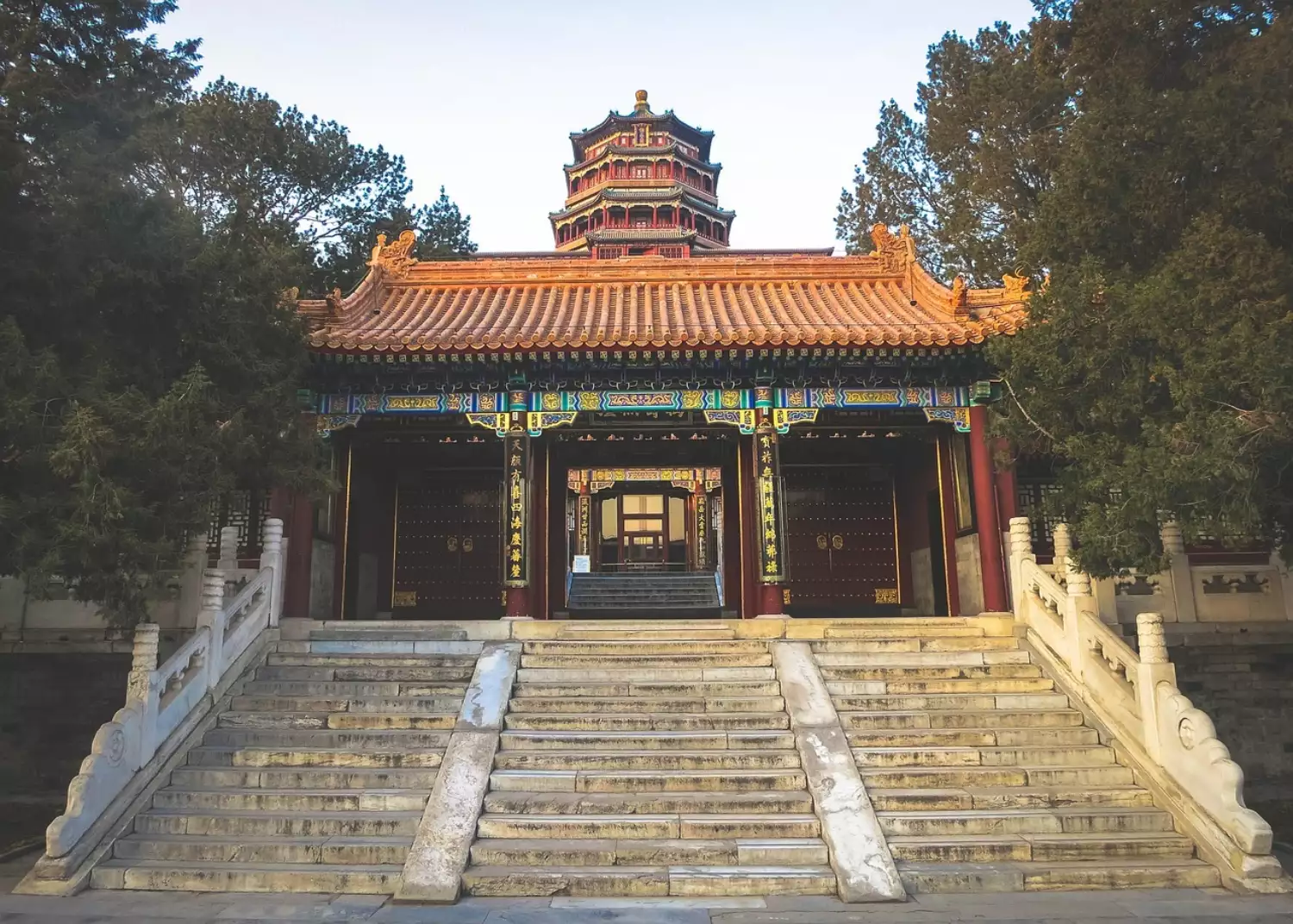
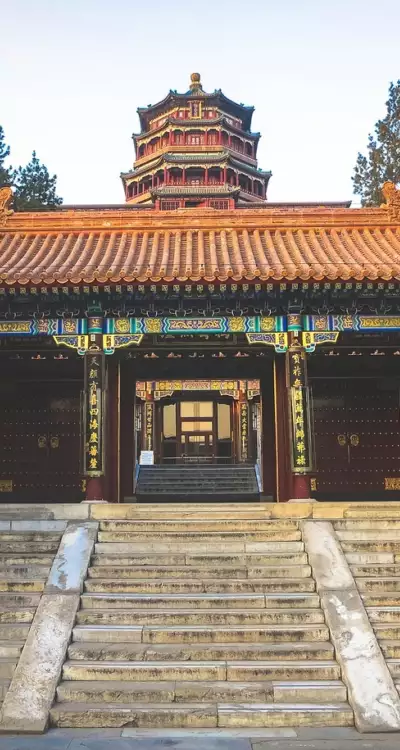
Next we will visit the large and beautifully preserved imperial garden and palace complex known as Summer Palace, one of Beijing's most popular tourist attractions. The man-made lake covers around three-quarters of the palace grounds and features stunning bridges and causeways. The whole area represents the pinnacle of Chinese garden design and imperial architecture.
Accommodation and Meals
Hotel, full board
Depart Beijing
Today our adventure comes to an end. There might be time to explore the local area in Beijing before we transfer to Beijing Airport to return to the UK, arriving home on the same day.
Accommodation and Meals
Breakfast
Trip Details
The dates below are available for booking now. If you're planning a private adventure with friends, tap the enquiry button and let’s build your perfect trip on dates to suit you.
Trip Details
This is what you will need to pay for/ buy/source yourself.
It is important that you read the itinerary carefully, and take account of the rating we have given it.
Although our challenges are not technical, they do require a good degree of physical fitness. The conditions will require stamina and strength, which you should recognise and train for. This will be a much better experience if you are fit and prepared. You should feel comfortable walking 6-8 hours per day.
In setting the maximum size of our groups, we take a number of factors into account.
Altitude, degree of difficulty, the terrain, the climate and time of year, all determine the maximum group size. Sometimes it will be 20, sometimes it will be 8-14, but safety is always our priority.
You will be accompanied by a Mountain Leader qualified Tribal Tracks UK Leader as well as supported by our local, in-country guides. If you are travelling with a charity team, someone from the charity will likely accompany the group too.
It is a requirement of Tribal Tracks booking terms and conditions that each supporter must hold their own travel insurance, which covers the trip and the activities they are doing. Read more here.
We advise you to put insurance in place as soon as possible, ideally on booking so you are covered immediately. There have been instances where someone has signed up, broken their leg a few weeks later, and been deemed unfit to travel. If travel insurance were in place, the non-refundable deposit could be claimed back from the insurance policy. Without this, your money is lost.
Your insurance must be valid and in date, covering the entire period that you are travelling for, including the return journey home. It must cover medical and personal accident risks, and should include repatriation costs and air ambulance or helicopter rescue services, where appropriate.
We will need to know the travel insurance provider, your policy number and the 24 hour medical/emergency assistance number.
Tribal Tracks has 100% Financial Protection and has a trust account with the Protected Trust Service, member number 5566.
This means that all client monies paid to Tribal Tracks are held in our dedicated trust account, which is supervised by an independent trustee. This means that in the very unlikely event that Tribal Tracks ceases to trade, your money is safe. For more information, please visit this link. Any flights booked for you by Tribal Tracks will be ATOL-protected under our own ATOL certificate.
Tribal Tracks considers the safety of all of its participants and staff to be a top priority, and as such we have thorough safety systems in place.
In the event of an injury, we have an evacuation plan in place for all elements of the trek route. We do ask that you look after yourself during the trek in the following way, as this will help avoid unnecessary problems:
We know that the unexpected can happen.
While you are away, things can happen at home and people may need to get in contact with you. This can be tricky when you are in remote areas. So, shortly before departure, we provide you with an Emergency Procedure document to distribute to your nearest and dearest. This sets out how to contact Tribal Tracks and the steps Tribal Tracks will then take to get in contact with you.
Some charity trips will offer two models of payment, self-funded or minimum fundraising. What is the difference?
With self-funded, you pay the cost of the trip yourself (the deposit and the balance) and then on top of this, you fundraise for the charity independently. This means that 100% of the money you raise goes to the charity.
Minimum fundraising works slightly differently.
You pay the cost of the deposit yourself. Then, in addition you must pledge to raise a specific sum for the charity, called the Minimum Sponsorship Sum. This is specified on the booking form and is the sum you must raise after you have paid the deposit yourself. You fundraise for this amount. Then, at least ten weeks before you depart, you must give the charity at least 80% of the Minimum Sponsorship Sum. At that point, your place on the trip is guaranteed. The balance of 20% follows within a specified time after the conclusion of the trek (usually 4 weeks).
If you do not reach your fundraising target, you have the option of self-funding to reach your target or forfeiting your deposit and not going on the trip. Our advice is to begin fundraising as soon as you can and the charity will be able to help you with this!
If you're not happy with something, please talk to the Tribal Tracks Leader. They are there to ensure your experience is as enjoyable as possible. They can only act on what they know, so please don’t be afraid to raise anything that needs addressing with them and certainly don’t wait until the end of the trip. If you’re travelling with a charity, someone from there will be on the trek too, if you’d feel more comfortable liaising through them.
You can also email us at any time using info@tribaltracks.co.uk, and we will respond to you within one working day.
If you are feeling unwell on this trek, tell your leaders and listen to their advice, they are professionals who will know the best course of action for you. If you need to be taken off the trek, or if there is an emergency, our experienced leaders and local guides carry phones and can call for help. No one will be left unaccompanied. If necessary, we hold details of your next of kin and travel insurance and will help organise next steps and onward arrangements.
If your flights are included in the trip price you will automatically be booked on to the same flights as everyone else in the team, unless you let us know before or on booking. If you want to book your own flights, you need to ensure that you coordinate your arrival and departure times with the trip’s itinerary. If your dates/timings don’t align with the itinerary, you will be responsible for costs incurred for additional airport transfers or accommodation arrangements.
Tribal Tracks can book alternative flights for you (for example, from a different departure airport) but this may incur an extra charge. We will liaise with you about costs before booking to ensure you’re happy to proceed.
Please inform us of any dietary requirements or allergies before you travel, and preferably at the time of booking and no later than 4 weeks prior to departure. We can cater to almost any diet, but only if we know about it beforehand.
For up-to-date vaccination information, please visit Travel Health Pro to see the most recent recommendations for your itinerary.
Although we are travel experts, we are not medical specialists, so we cannot explicitly recommend what vaccinations you should or shouldn't have. Always seek the advice of a medical professional if you are unsure. They will likely want to see a copy of your itinerary, and can then best advise whether they think an advised or 'to consider' vaccination is appropriate for you.
Please note that information on vaccinations can change at short notice.
The Foreign, Commonwealth & Development Office (FCDO) monitors all overseas destinations and offers advice to British citizens. In order to be fully informed of safety issues, crime rates, political stability and local laws and customs, you can view the advice here.
We monitor FCDO advice carefully and may, on occasion, be required to cancel trips, reroute itineraries, or make other changes to trips based on the FCDO advice. Any decision will always be made in your best interests and fully communicated to you.
If travelling with a child and only one parent is present, please be aware that you must have the permission of everyone with parental responsibility before that child can be taken abroad. You automatically have parental responsibility if you’re the child’s mother, but you still need the permission of anyone else with parental responsibility before you take the child abroad. A letter from the person with parental responsibility for the child is usually enough to show you’ve got permission to take them abroad. You might be asked for the letter at a UK or foreign border. The letter should include the other person’s contact details and details about the trip. If you are travelling with a child who has a surname different to your own, for example you are a single parent, you are advised to travel with evidence of your relationship (eg a birth certificate) and a divorce or marriage certificate if applicable. In other scenarios, for example, you are a grandparent taking your grandchild on a trip, or you are taking your child’s friend on a trip, you should be able to provide evidence that you have permission from the child’s parents to do this. You should also check the requirements of the country you are travelling to, as they may have additional specific requirements and the age limit up to which a person is considered a child may vary.
Trip Details
This kit list is meant to be used as a guide and is not exhaustive. It does not take personal preferences into account.
Please consider borrowing or renting kit, and use environmentally friendly toiletries where possible.
Trip Details
The trek is a challenge. We will be walking for a long time over sometimes challenging terrain with steep ascents and descents.
The best way to build endurance fitness is to start with some gentle walks and gradually build up both the distance and duration over the next few months. In the last 2 months, we would recommend to go out and do long days, ideally in the hills, to build up the strength in your legs. About a week before the trek, limit any training to short walks – you want to have fresh legs at the start!
For the trek you should be comfortable trekking between 6 - 8 hours per day, but remember we have all day to achieve the distances and will not be going at racing snake pace. It may sound obvious, but make sure that you are walking properly, hitting the ground with your heel first, then rolling onto your toe, which pushes you onto the next step (this will help reduce the risk of shin splints and tendon pulls). Walk with your head up, eyes forward and shoulders level.
It is a good idea to develop a level of cardiovascular fitness (exercising and strengthening your heart and lungs). This comes from running, cycling or swimming for between 20 minutes and an hour, and will really help develop your endurance fitness. Three sessions a week is normally advised, increasing time and distance over time.
Replicate conditions in training i.e., use all the kit you will be using and try your walking poles if you want to use them.
It is important to pack so that you know where everything is. Here at Tribal Tracks, we are big fans of separating kit into different packing cubes (compression ones are great), or even just individual plastic bags can really help with this.
You can pack by item (e.g., socks and pants in one cube, tops in another, waterproofs in another etc.) or by day, putting your entire outfit for that day together in one place. We recommend taking an extra bag or cube to separate the dirty kit from your fresh clothes, too.
You will have two bags on the trip - your main bag and your back pack.
You should operate on the basis that you will not have access to your main bag during the day and while you are trekking. This means that it is important to have everything you need in your back pack. Waterproofs should go in the bottom, together with an extra layer, sunscreen and sunglasses, plus hat and gloves (if you are in a colder climate). You should also have your water bottles, and any specific snacks, medicines or first aid items you want to take, such as zinc tape and blister plasters. Baby wipes/toilet roll and nappy sacks are also essential for going to the toilet while you are trekking - we will explain more in the pre-departure briefing!
In the event of an injury, we have an evacuation plan in place for all elements of the trek route. We do ask that you look after yourself during the trek in the following way, as this will help avoid unnecessary problems:
We will brief you in the pre-departure briefing as to the catering specifically for your trip. However, as a guide, each morning you will be provided with a very filling local breakfast, usually accompanied by tea or coffee. Lunch will be during your trek and will be prepared by the team of cooks or we will utilise local restaurants or teahouses. Food will always be ample and tasty. If wild camping, dinner will be in the dining tent and will be traditional, freshly prepared food. If you are staying in a hotel or teahouse, dinner will be served there. Water, tea and coffee will be served and alcohol will usually not be available, although there will be some exceptions. We will provide 4 litres of drinking water per person per day. You will need to fill up 2 litres at breakfast and another 2 litres at lunchtime.
Please ensure that you have notified us before departure if you have any specific dietary requirements or allergies as we can cater for most things as long as we know about them!
We recommend that you bring a multi-region adapter plug with you. There will be no facility to recharge electrical items on the trek, so we recommend you bring a power bank to top up the charge. We also recommend putting your phone on Airplane mode during the day to save on power.
Using your mobile overseas can sometimes attract unwelcome, very high tariffs. We recommend that you check with your network provider before you travel, but if in doubt, keep your phone switched to Airplane mode and use it only when there is WiFi. Reception can also be patchy, and unreliable, particularly in remote areas, which is why we carry a satellite phone with us. Please let your nearest and dearest know about this, and warn them that you may not be able to be in regular contact.
We ask that your luggage is kept to the absolute minimum. We will tell you the weights that you should not exceed, but usually (depending on the airline), your main bag should not exceed 23kgs in weight.
It is important that you wear your trekking boots or take them in your hand luggage on the flight, as they are vital for the trek and cannot be replaced if your luggage is lost.
We recommend leaving behind items such as high-value jewelry, watches, etc. Your passport and money should always be kept on your person.
An Important part of this challenge is the fact that we will hit the ground running as soon as we land. When we land, the goal is to get through passport control as soon as possible so that we can get on the bus, ready to be transferred to Imlil, where we will have a quick lunch, and then start trekking ASAP to get our 10km in before nightfall.
As such, you should think about this as you pack. Wear your trekking clothes and boots on the flight. Take your rucksack on the flight, as ready as it can be for trekking. By this we mean ensuring your waterproofs are in your rucksack, together with an extra, thin layer, sunscreen and sunglasses, plus hat and gloves. You should also have your (empty) water bottles, and any specific snacks, medicines or first aid items you want to take. This means that before we start trekking, it should be a relatively quick exercise to put your kindle, book or anything else you have had onboard the flight and don’t want to trek with, into your main pack, which will be transferred to the campsite by jeep. Please ensure that if you are using trekking poles, they are packed in your main bag for the flight, as they are not allowed to be taken on board the aircraft.
Trip Details
Have a question? Get in touch, our small team will be delighted to help.