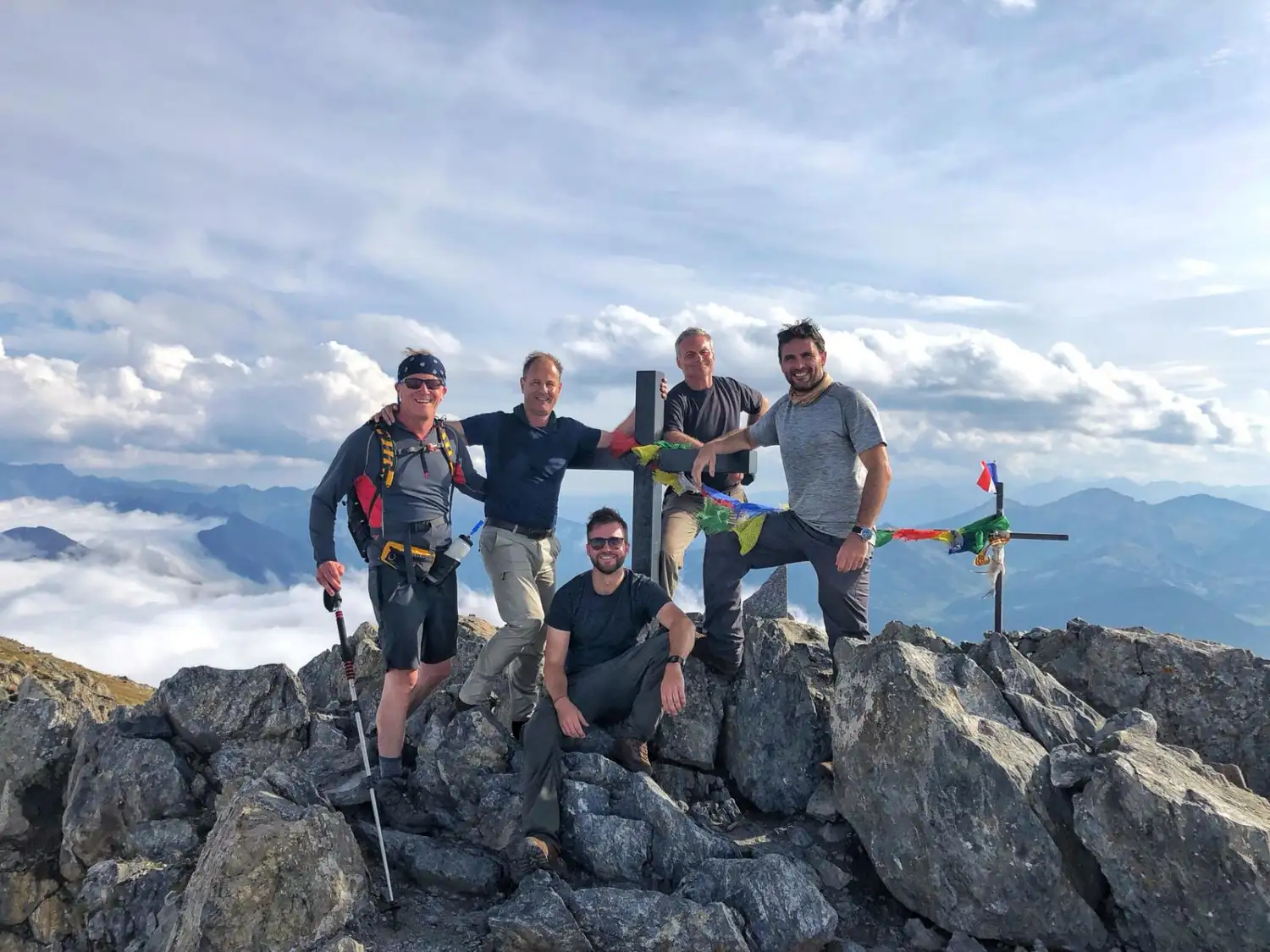

Travelling with Tribal Tracks is a wonderful experience. They take care of everything and you don't have to worry about anything!
Gordon G
Location
Terrain
Difficulty
Accommodation and Meals
Guesthouse, Hotel, Mountain Hut/Gite, Wild Camping
Duration
6 days
Meeting Point
Toulouse
Annual Leave
4 days
Group Size
Up to 12
Seasons
June, July, Early Sept
Walking Distance
60-70km approx
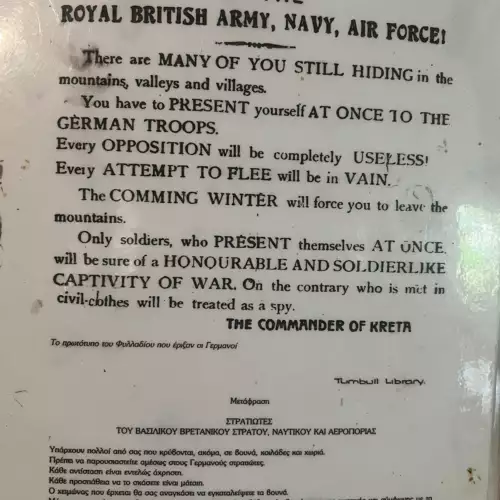
A trek steeped in history - walk in the footsteps of WW2 escapees, resistance fighters and downed Allied airmen, fleeing Nazi-occupied France
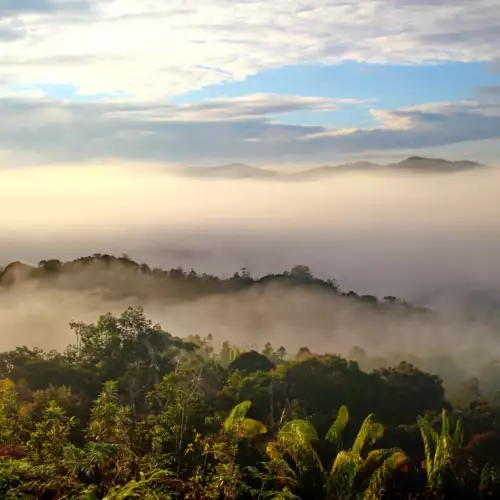
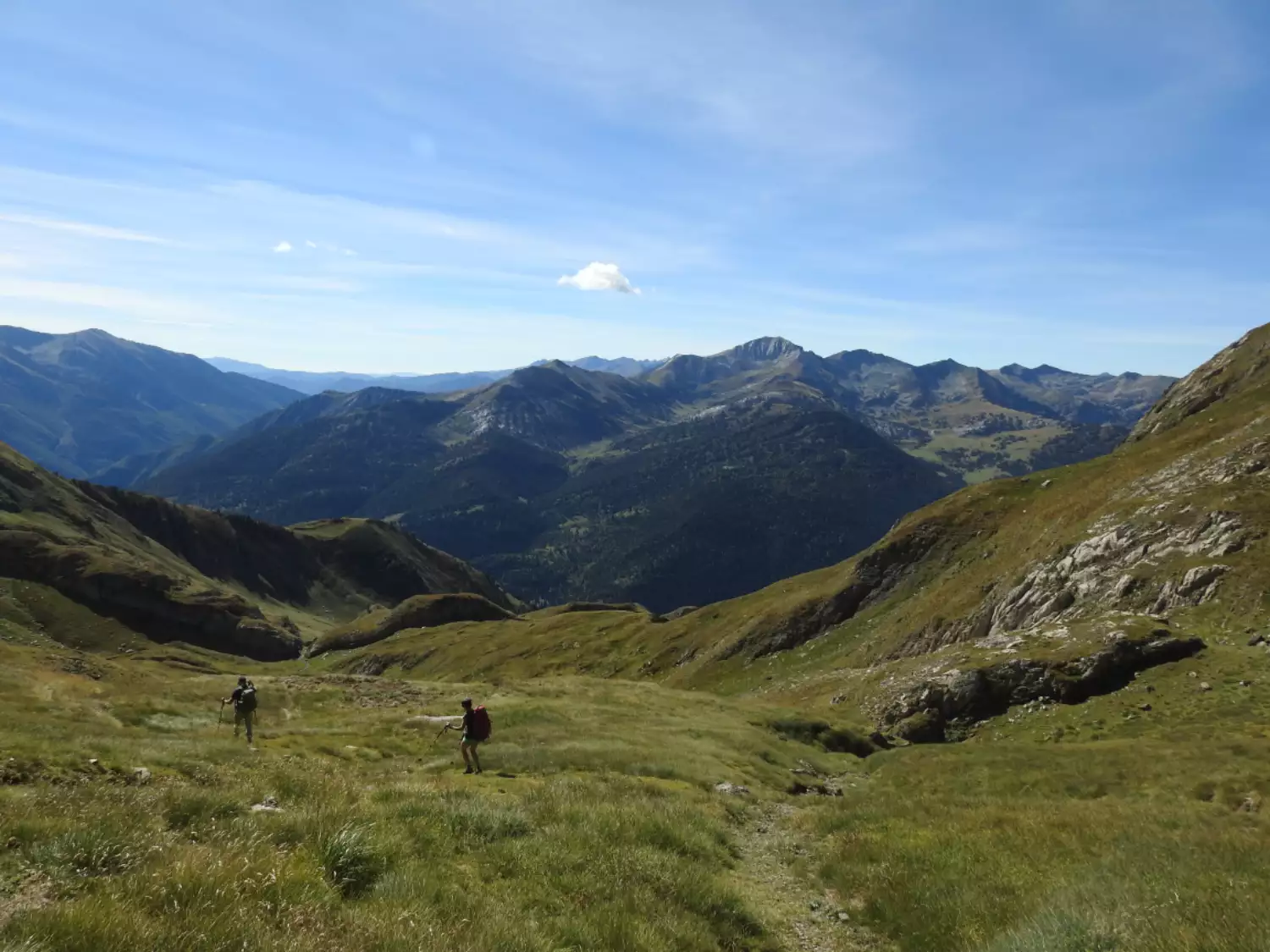
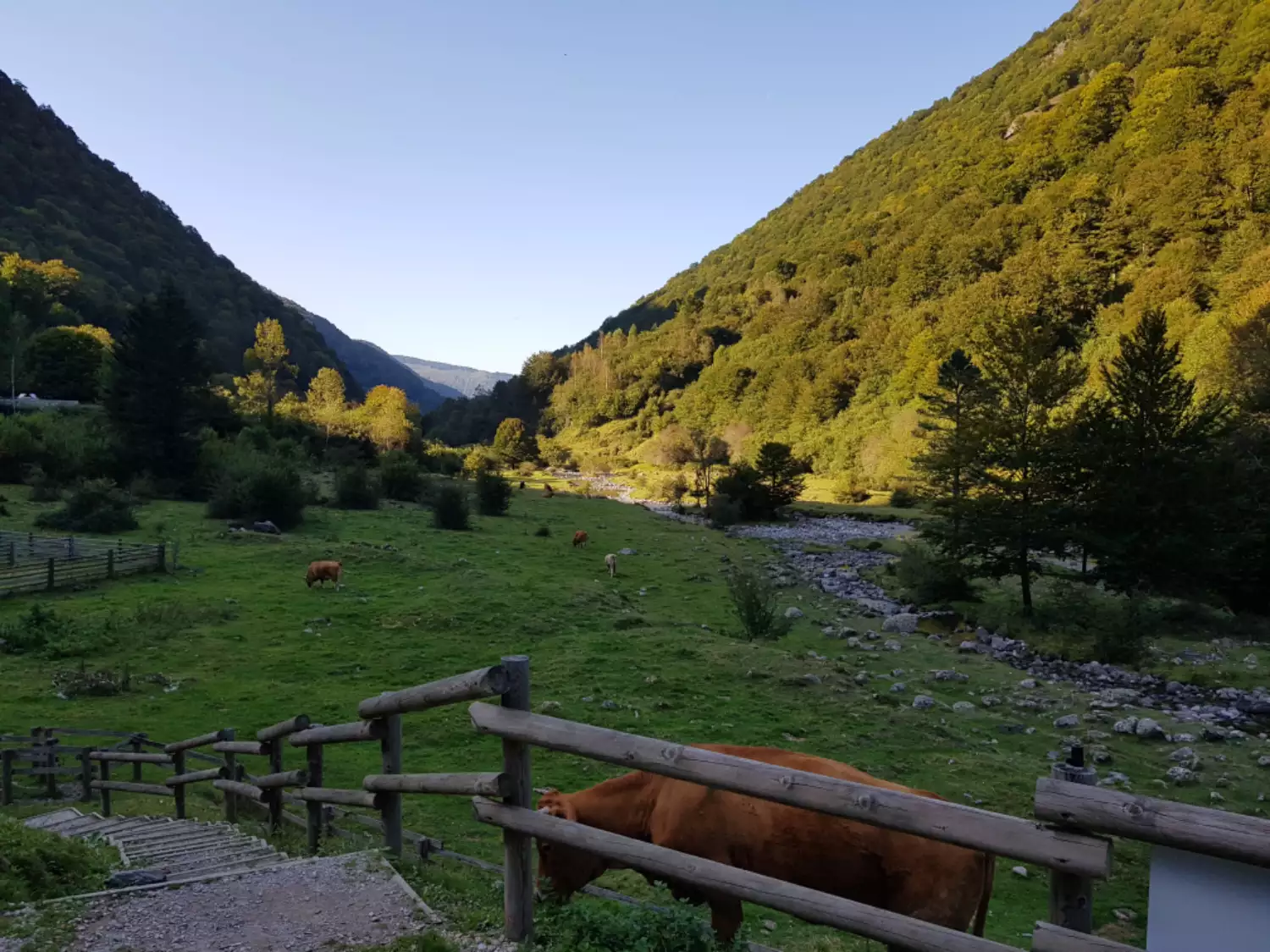
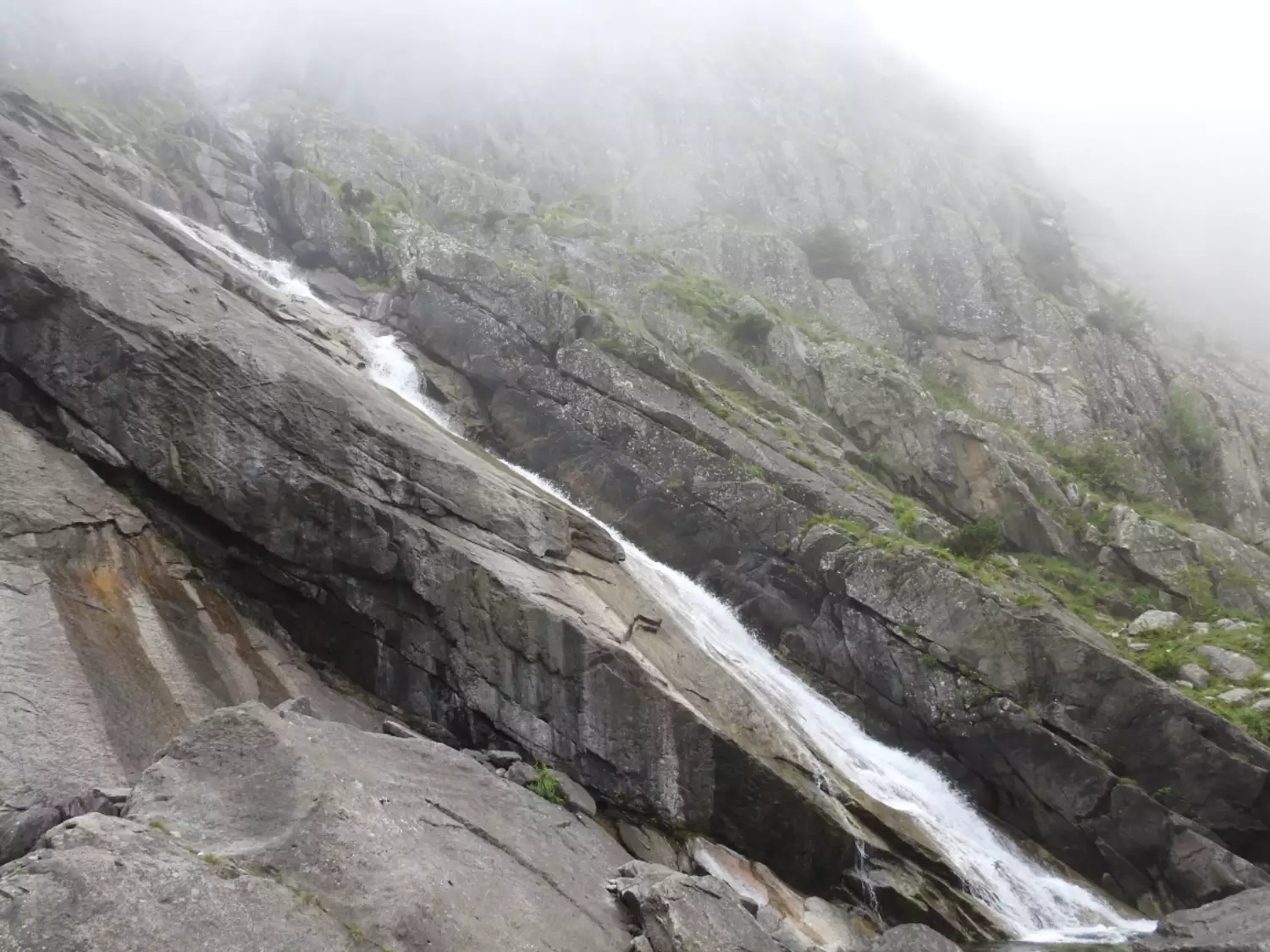
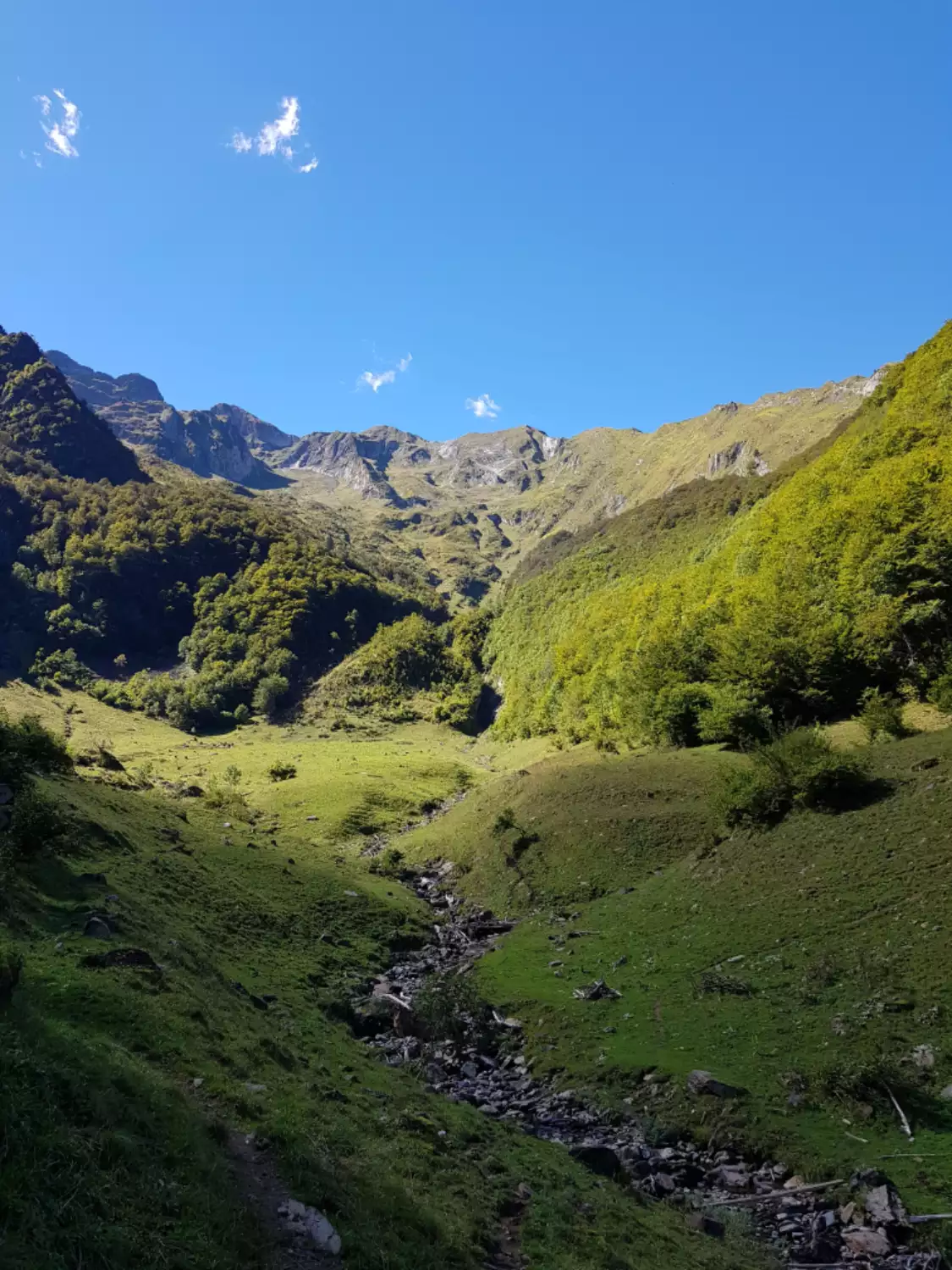
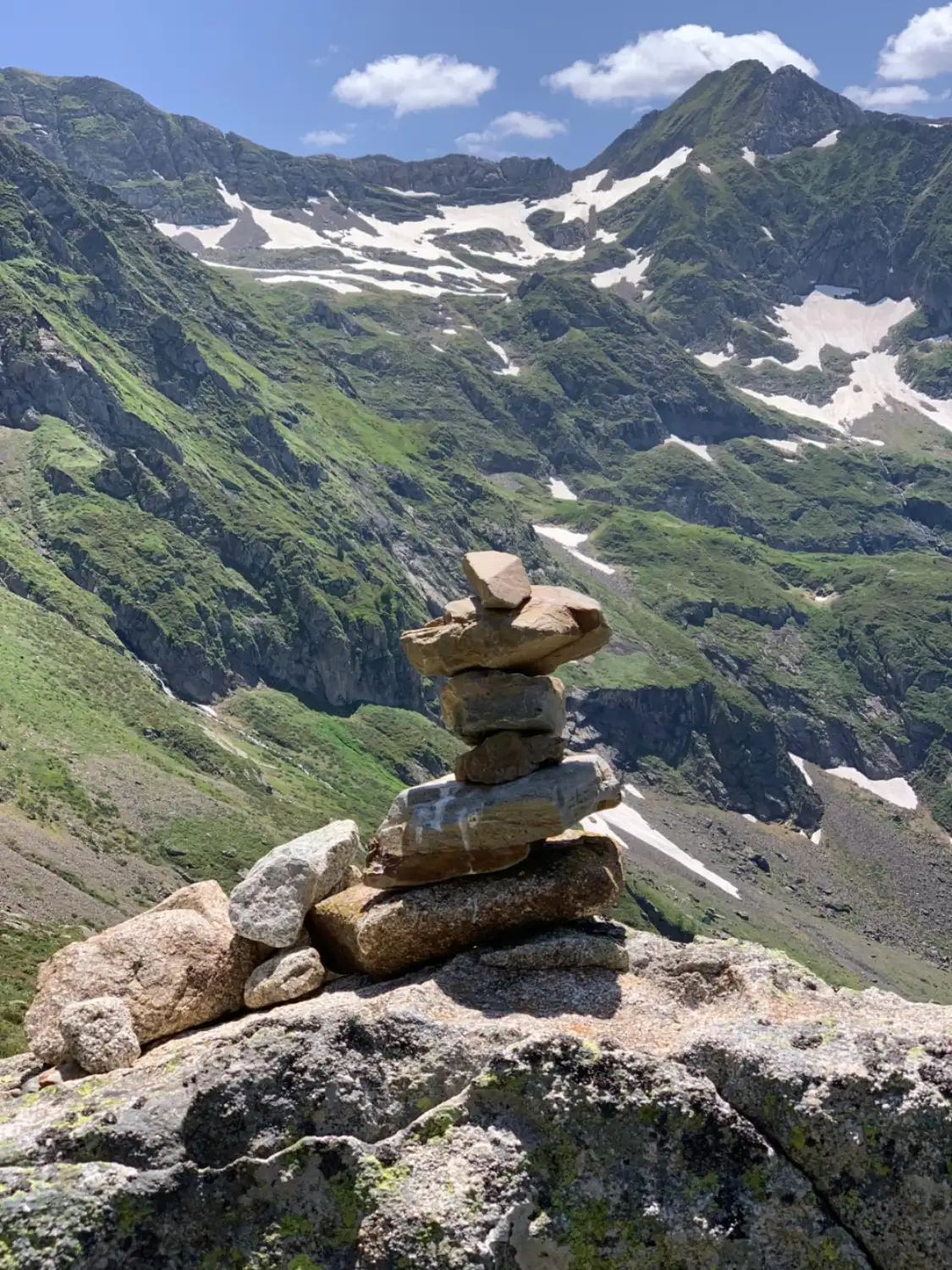
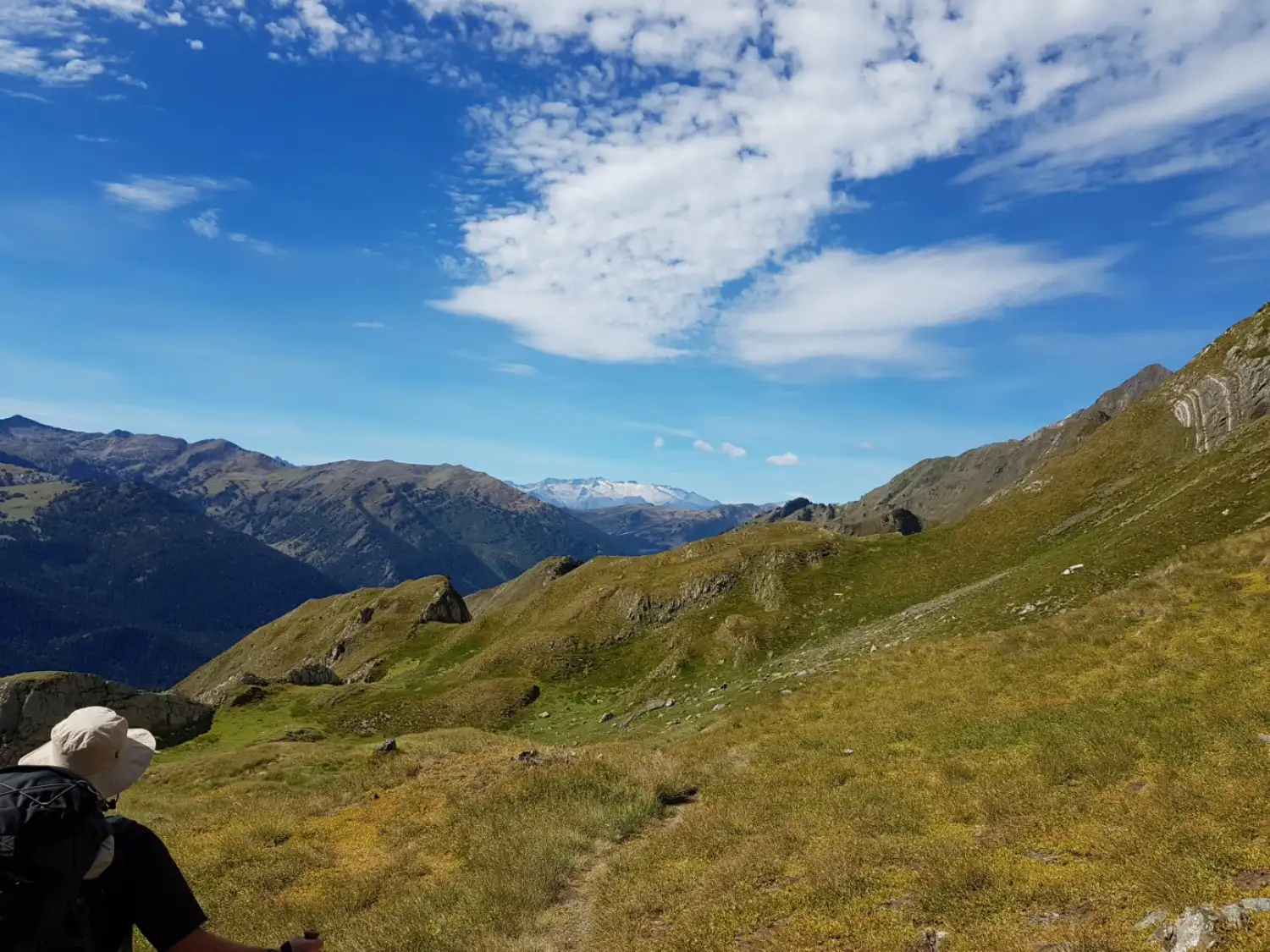
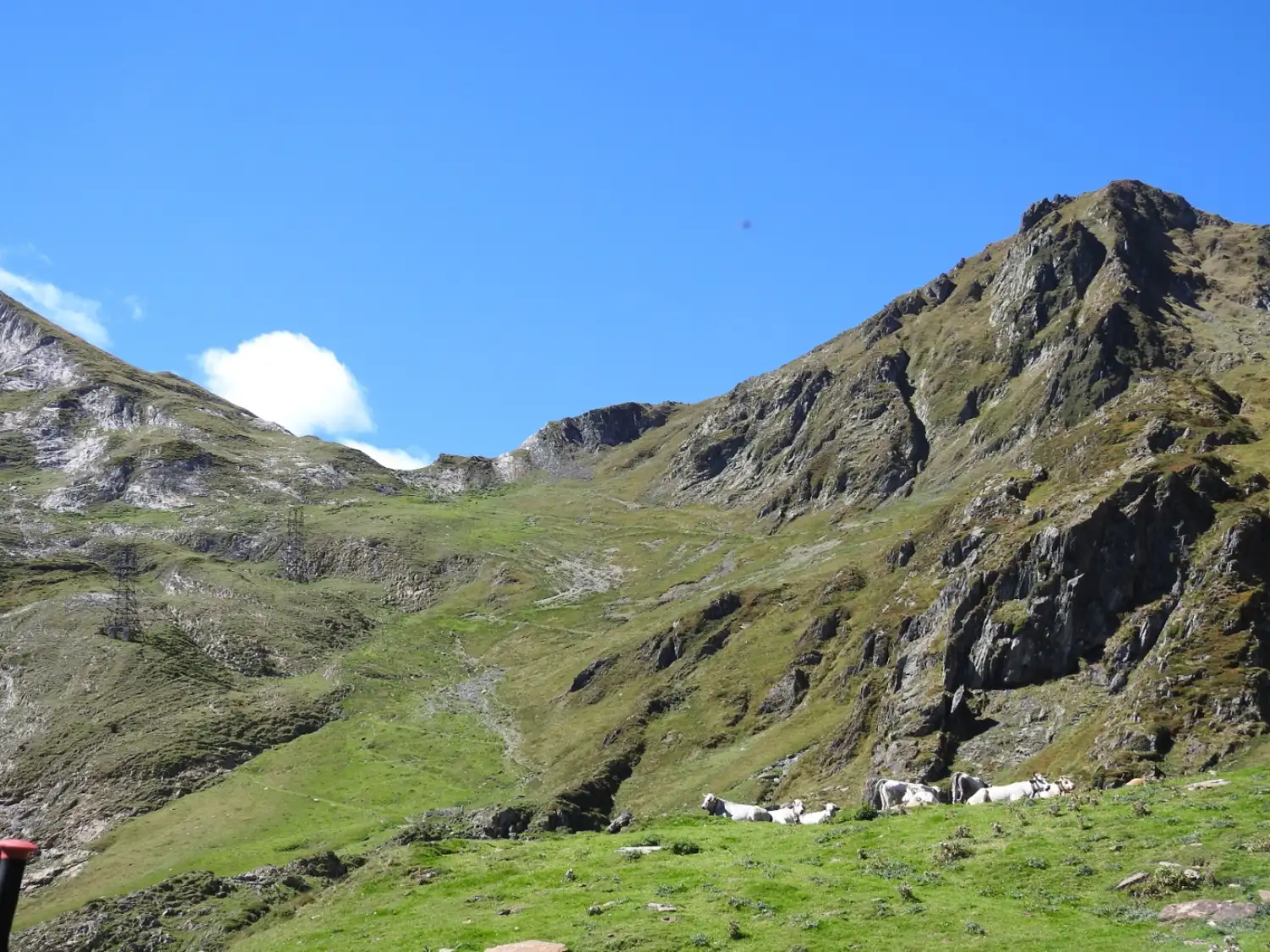
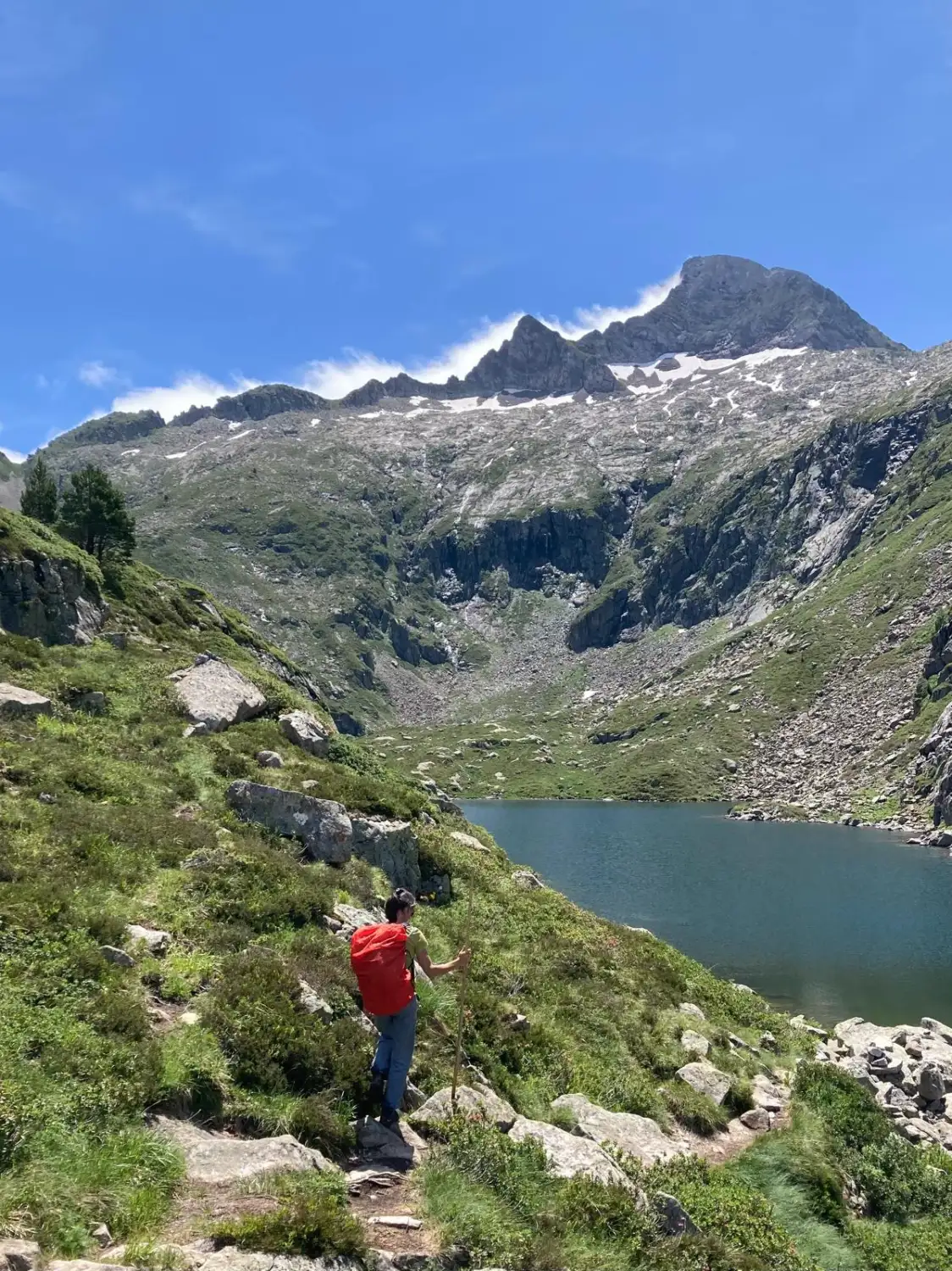
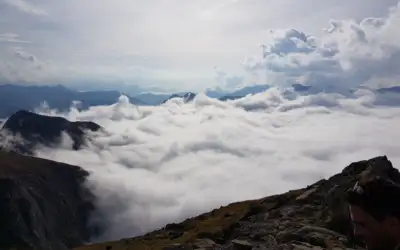
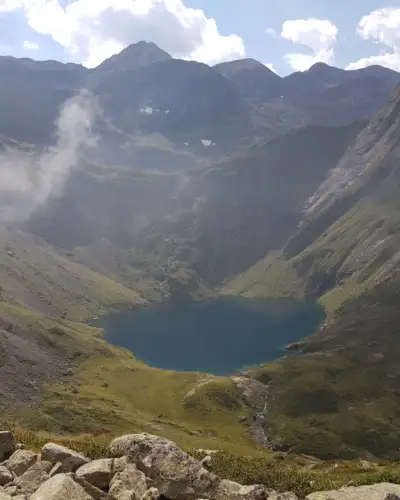
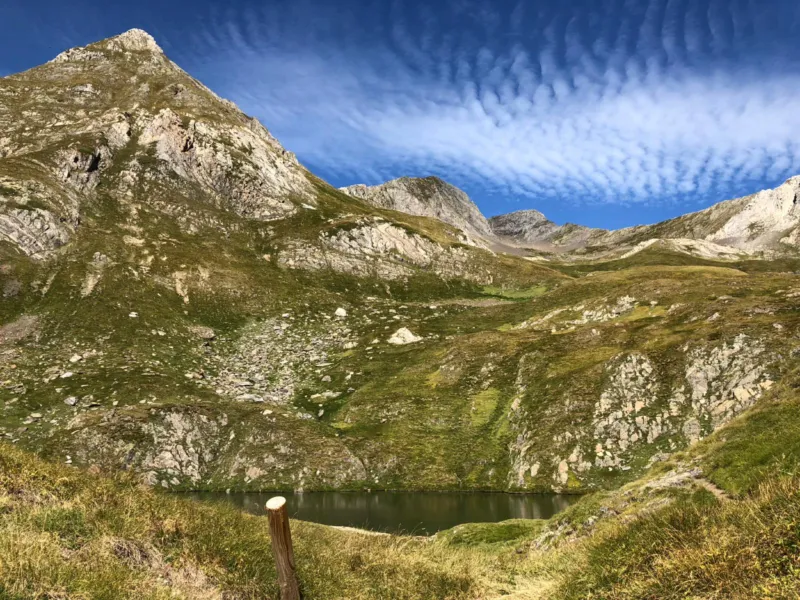
Stunning Pyrenean Scenery - dramatic mountain passes, deep valleys, lush forests, alpine lakes and rugged peaks, this trek has it all
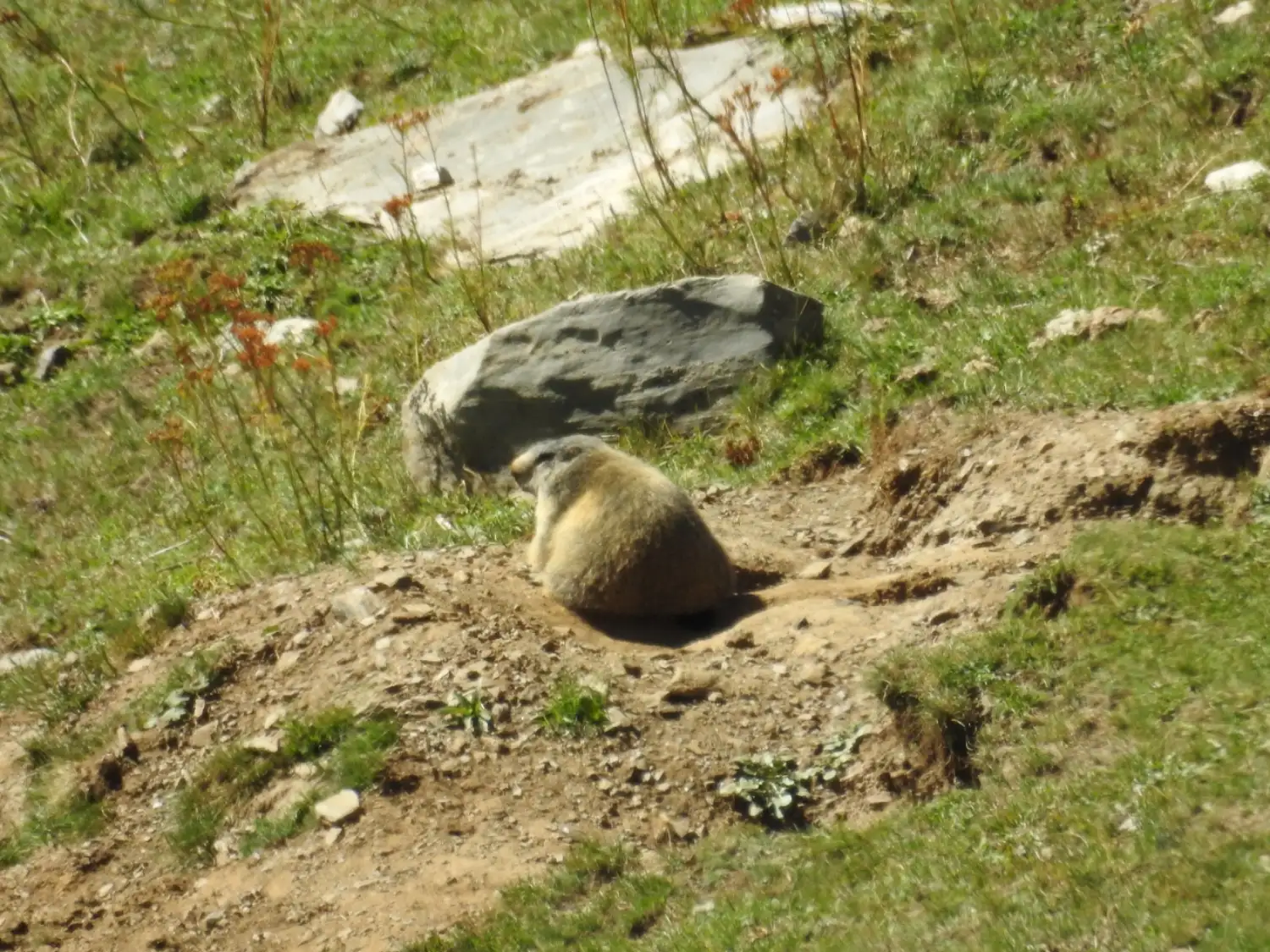
An abundance of wildlife and nature - spot Pyrenean chamois, eagles and marmots (large ground-dwelling squirrels)
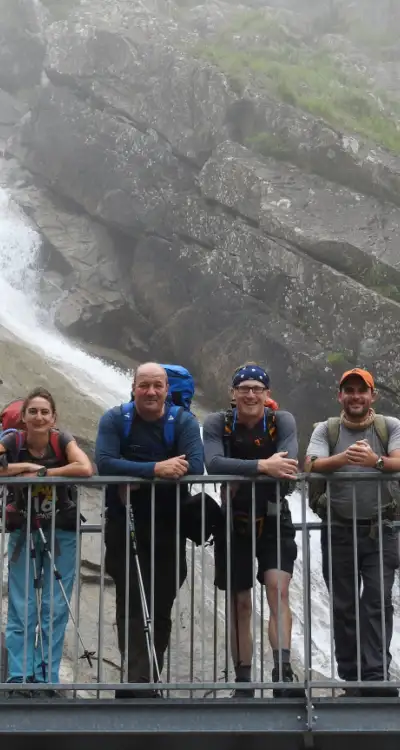
Trek alongside local guides and historians to share wartime stories and bring them all to life.
No camping is necessary - stay in comfortable auberges/hotels, and refuges throughout.
All the info you need
Trip Details
This is a challenging route with over 1500m height gain on day three, and at points we are up to 3.5 hours from the nearest road. It is, by far, the most interesting way to discover an area with a rich and fascinating history.
It is estimated that 33,000 people crossed the Pyrenees from France into Spain during WW2. Approximately 3,000 of these passed through the department of Ariège,
France. During the trek you will learn of passeurs and escapees, tales of SOE operatives, see the wreckage of a Halifax bomber and visit the Chemin de la Liberté museum (if open).
Please note flights to/from Toulouse are not included. We will provide recommended flight options, you will need to arrive in Toulouse on the first day by mid morning.
Trip Details
Please note that you will be required to carry a 45 litre backpack/up to 8kg in weight from day three to day five with the clothes and equipment you require for this period.
UK to Toulouse
On arrival at Toulouse Blagnac airport, we will be met by our experienced guide for this trip. We will drive for approximately 2.5 hours, arriving in time for lunch at Auberge Seix. This afternoon we will have an introductory walk around the village and prepare kit for the trek.
The history of Seix is typical of a frontier village that, over the years, has been an important trading point providing weekly markets, accommodation, local services and meeting places for tradesmen, agricultural workers, miners and forestry workers as well as refugees seeking to flee oppressive regimes in both directions.
During World War II, the village of Seix served as a strategic stop-off and transfer point on the Freedom Trail escape route, where refugees and Allied airmen would be guided to the next hideout or contact as they continued their journey across the mountains into Spain.
Accommodation and Meals
Auberge (small hotel), L, D
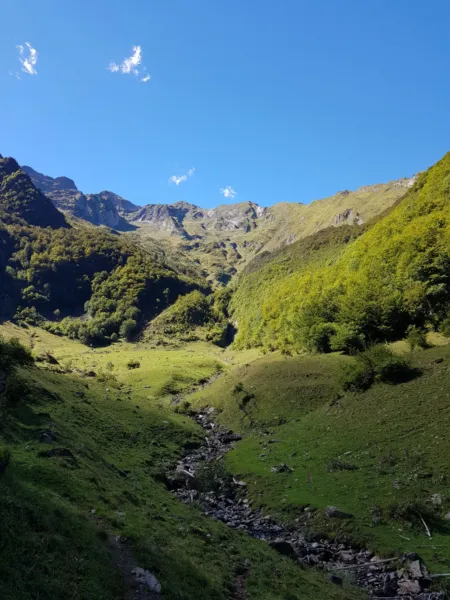
Trek: 16km, 7.5 hours approx
This morning we drive for around 25 minutes to our trek start point, just below the Col de la Core.
Rugged peaks will surround us and the higher we climb the rockier and more exposed the trail becomes. We reach the Halifax Bomber Memorial Site that sits at around 2200m, and serves as a haunting tribute to the seven young airmen who were supporting the French Resistance who perished here in 1944. They took off from Tarrant Rushton in Dorset on 19th July 1945 on a cross-country training flight to the south of France. The intended route was to head south to Toulouse, then east to Sète on the Mediterranean coast. The return trip was to head west to the Atlantic and home via the Bay of Biscay, keeping off the western tip of Brittany.
For unknown reasons, the Halifax flew south toward Toulouse, then west rather than east, getting lost and ultimately crashing into the Pic de Lampau in the French Pyrenees—80 kilometres off course.
The cause of the accident was put down to 'navigational error' and strong winds that were blowing at the time. Unfortunately, all 7 airmen died on impact and today a memorial stone bearing their names marks the site, where their lives ended so tragically. It is a remote and solemn site and offers a good time to reflect and honor the sacrifices of the WWII airmen.
After around 7.5 hours walking and exploring, we return to our comfortable Auberge.
Accommodation and Meals
Auberge (small hotel), B, L, D
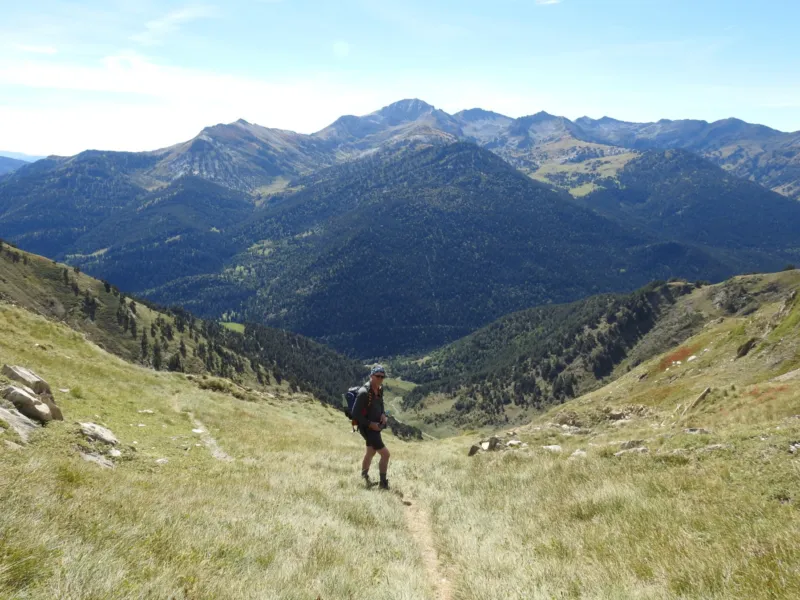
Trek: 20km, 7.5 hours approx
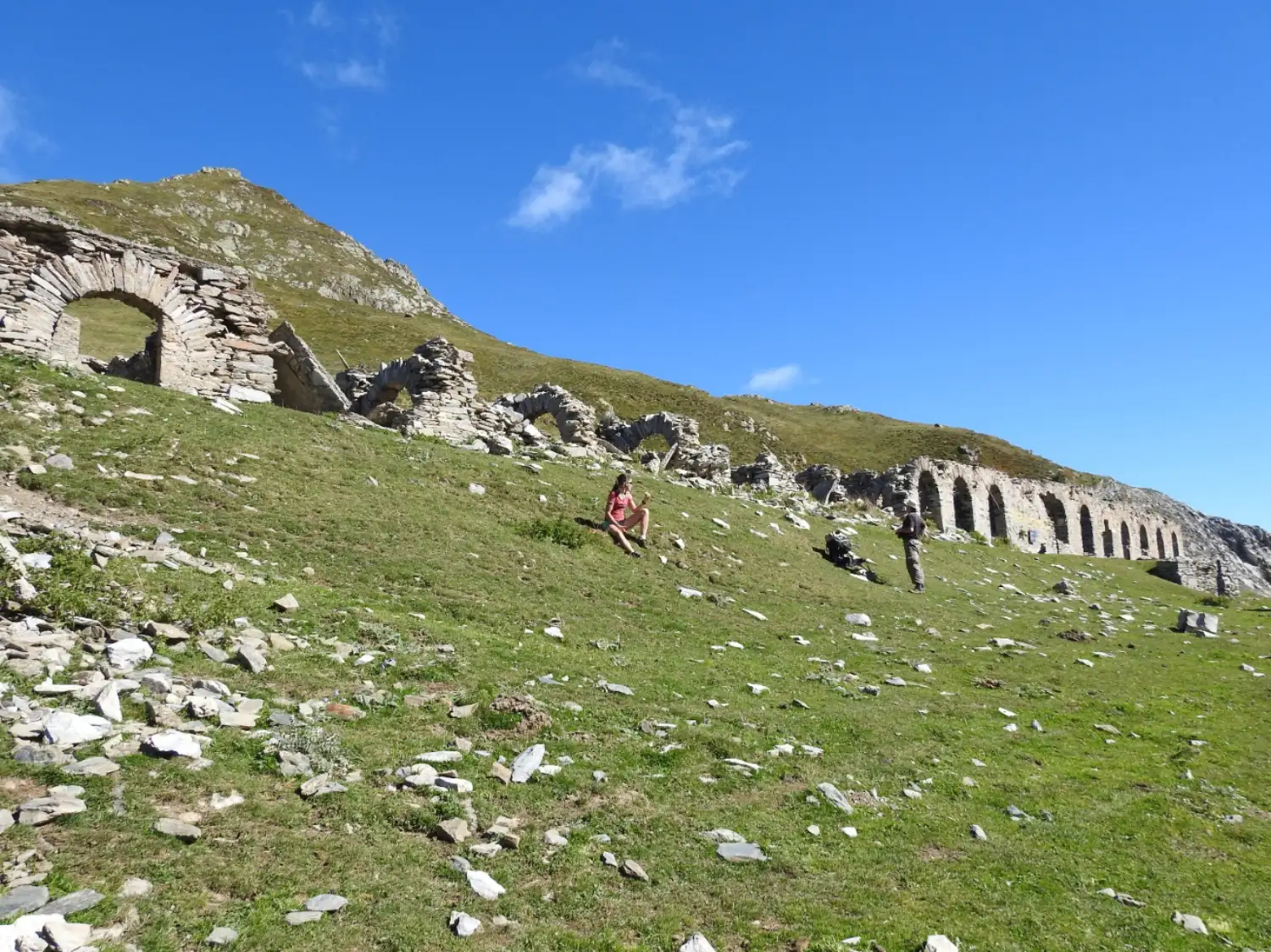
Once a thriving hamlet with its own tungsten mine and a vital role in cross-border timber trade, Salau is now a peaceful mountain community. Its rich history adds depth to the serene landscapes that surround it.
We walk to Port de Salau (2087m), the historic mountain pass linking France and Spain, has seen everything from shepherds and traders to smugglers and wartime refugees during the Spanish Civil War and World War II. Today, its rugged trails and panoramic views still carry echoes of those who crossed before, making it a thrilling gateway between two cultures.
We cross into Spain and descend to the track that leads to Borda Ignasia (1573m), a family-run restaurant with deep roots in the region. Its owner, David, is the grandson of a wartime guide who once led 'evaders' across these mountains. We will stop here to meet David, where he will tell you tales of courage and escape, as well as experience the living traditions of Pyrenean culture, family, and hospitality.
After our short stop, we have a short (approximately 40 minutes) drive to Montgarri (you have the option of walking if you prefer). Once a functioning village that was abandoned in the mid-20th century due to rural depopulation. After decades of being a 'ghost village', the area was revitalised when the old rectory was converted into a refuge.
During the final years of World War II, Montgarri became a crucial transit point on the Freedom Trail for refugees fleeing Nazi-occupied France. The villagers of Montgarri and the church provided food, medical treatment, and shelter to the refugees as they made their dangerous winter crossing over the mountains. It is estimated that up to 10,000 refugees passed along this clandestine route.
Note that the refuges in this region consist of shared dorm rooms. Where possible, we will arrange the dorms so they only contain members of our team, and single-sex dorms where possible, although this can't be guaranteed. Toilets are unisex and showers are limited to 3 minutes per token (supplied). Power at the refuges is solar/battery-generated, so non-essential usage is rationed, and Wi-Fi is likely to be unavailable or poor. Bring a good-sized power bank with you.
Accommodation and Meals
Manned refuge, shared dorms, B,L(packed), D
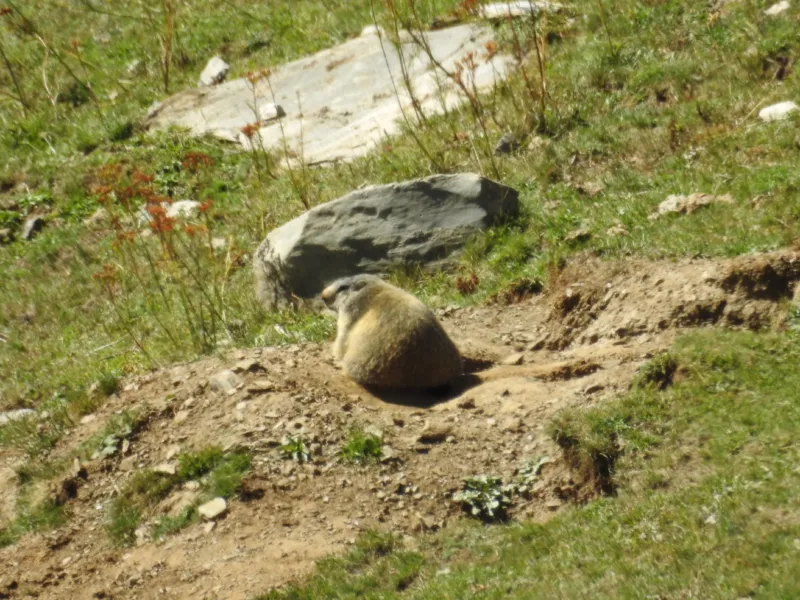
Trek: 11km, 7/8 hours approx
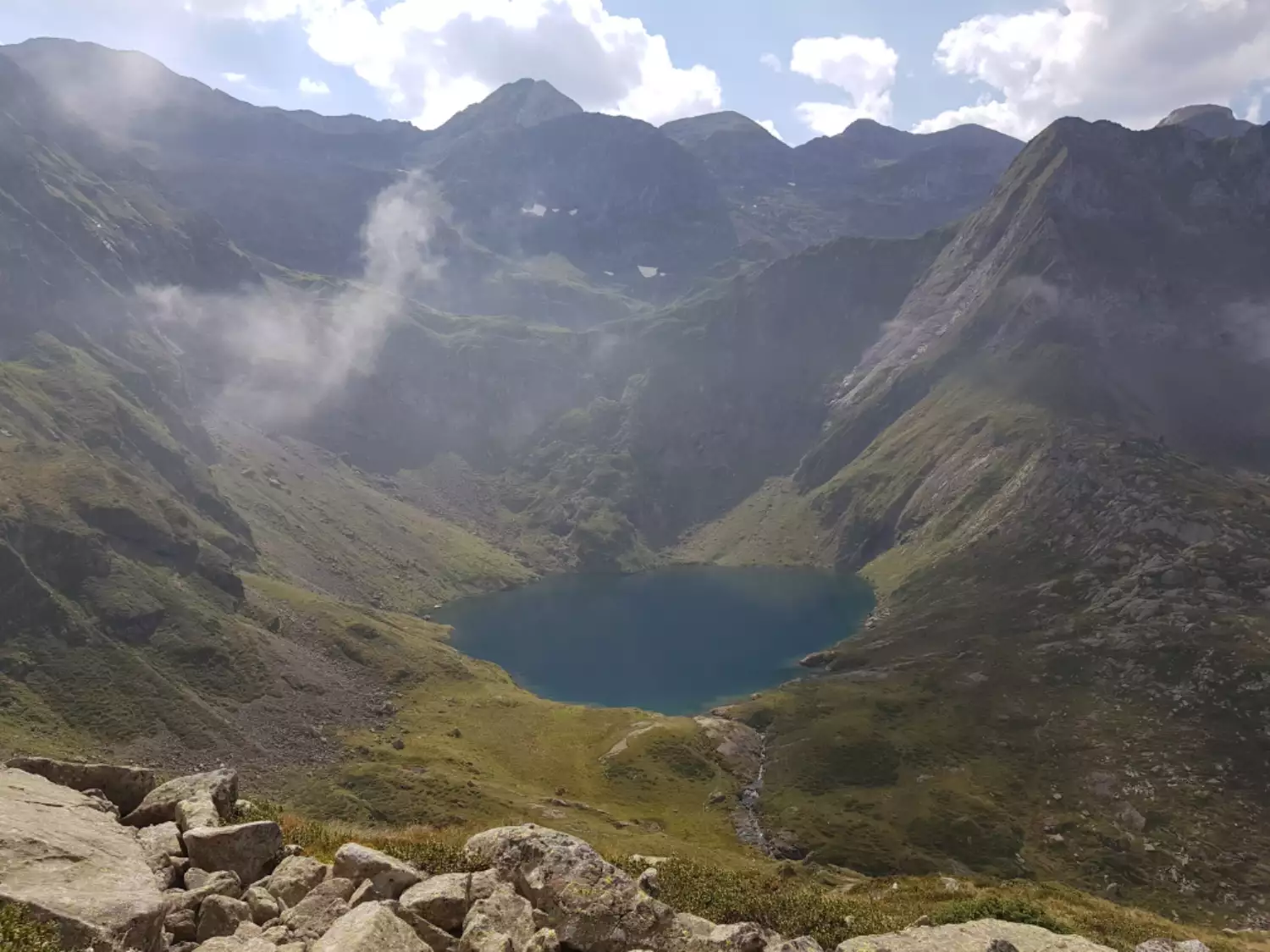
Walking from Montgarri to Refuge Estagnous, we'll follow the Freedom Trail in reverse to experience key features of the original route used by guides and refugees. We encounter the Valier massif with its magnificent mountain landscape, mountain lakes and peaks that tower above us as we make our way from Spain, back into France. The walk is challenging, with a gradual ascent of 1160m and a descent of 570m.
Tonight's refuge, built in 1912 was used by hunters and mountaineers ascending Mont Valier. During World War II, it served as a relay for escapees fleeing Nazism along the now famous 'Freedom Trail'.
Note that the refuges in this region consist of shared dorm rooms. Where possible, we will arrange the dorms so they only contain members of our team, and single-sex dorms where possible, although this can't be guaranteed. Toilets are unisex and showers are limited to 3 minutes per token (supplied). Power at the refuges is solar/battery-generated, so non-essential usage is rationed, and Wi-Fi is likely to be unavailable or poor. Bring a good-sized power bank with you.
Accommodation and Meals
Manned refuge, shared dorms, B,L(packed), D
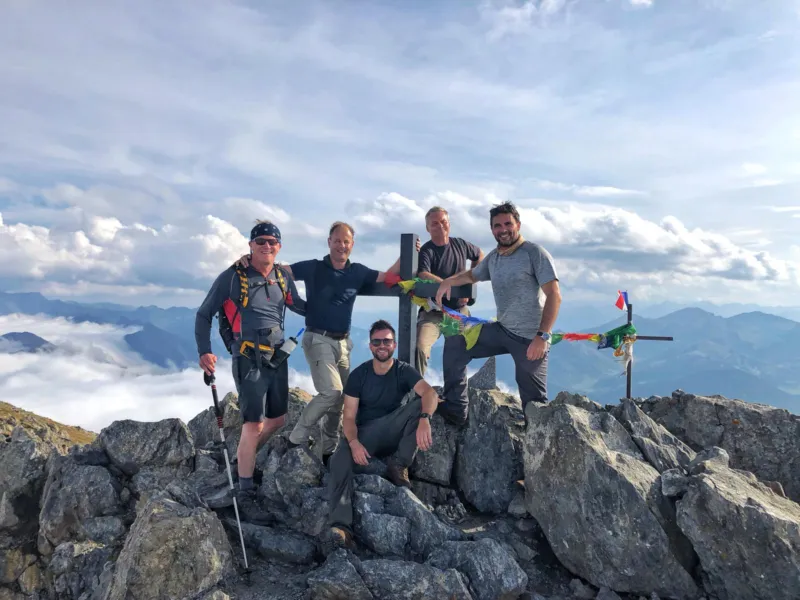
This morning, if the weather permits, you have the option to ascend Mont Valier, which stands proudly at 2838m. It takes around two hours each way.
We then have a steep 11km descent, which includes sections of very rugged terrain. It should take around three hours and you will be surrounded by spectacular Pyrenean landscapes throughout.
Accommodation and Meals
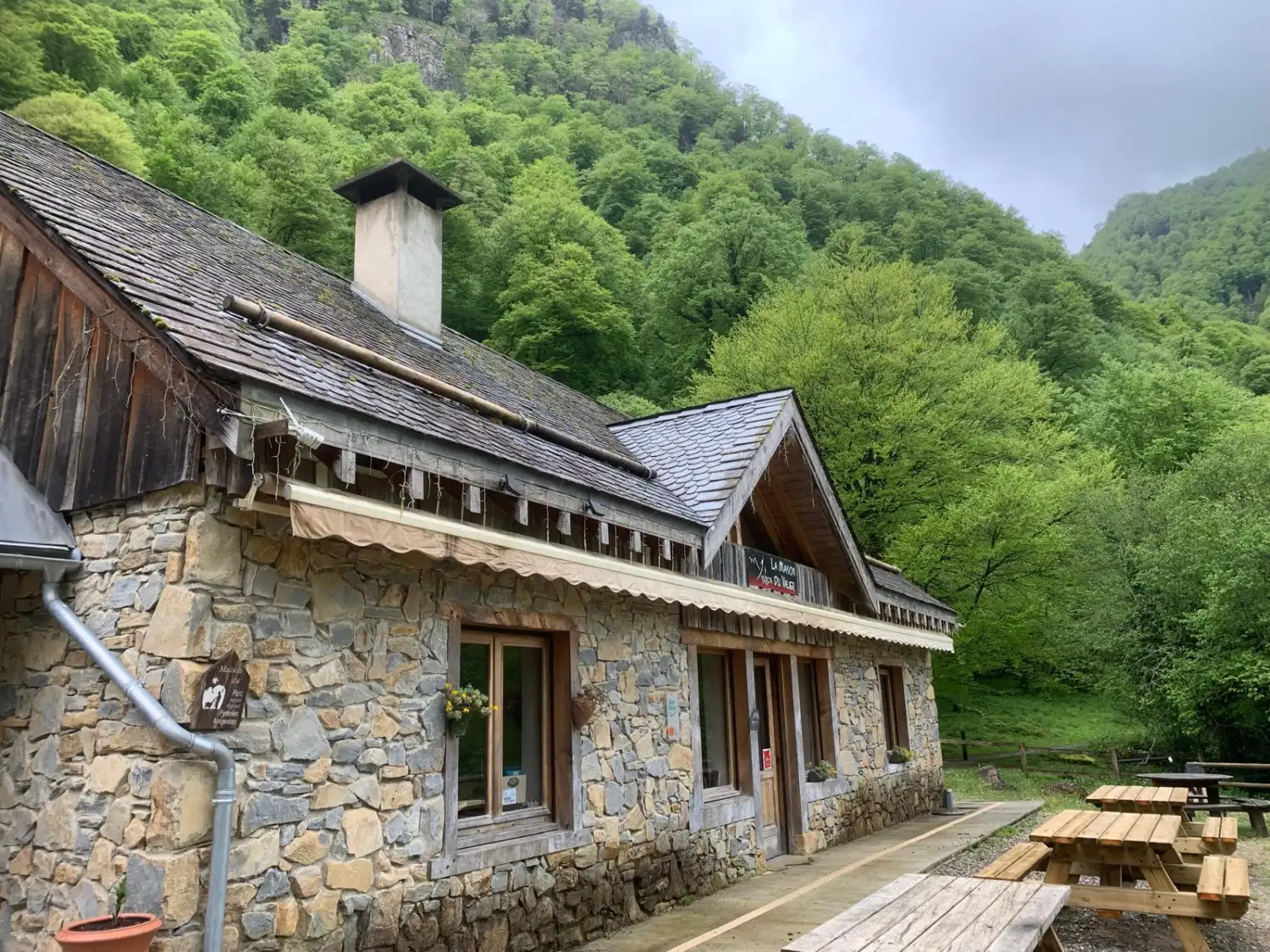
La Maison Du Valier, B,L(packed), D

The end of our adventure
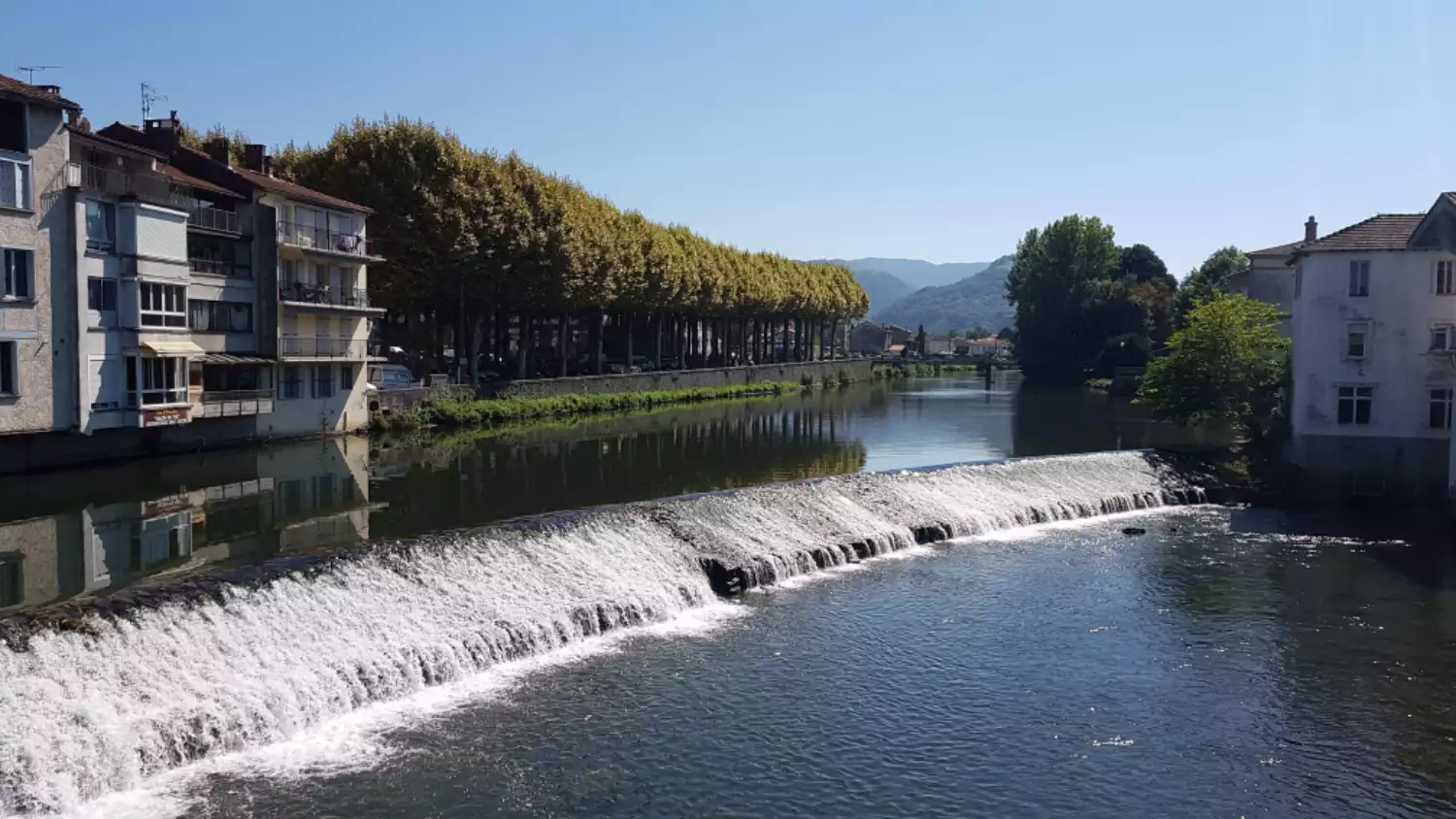
Today we leave the Auberge at around 9.3- and head to St Girons. Here, we will visit Le Chemin de Liberte museum. After that, we will head to a local Auberge for lunch.
We'll then transfer by minibus back to Toulouse airport to catch our evening flight home.
Note- If you have a very late flight back to the UK, you can choose to leave your luggage at the airport then take the tram/bus (Navette) into the vibrant centre of Toulouse (Place du Capitole) under your own steam and not part of the Tribal Tracks itinerary. This journey takes 35-45 mins each way, traffic-dependent.
Accommodation and Meals
B, L
Trip Details
Trip Details
Personal fitness. You are going to be taking part in a serious physical challenge in the Pyrenees mountains, so it is important that you are prepared mentally and physically for the multi-day walking trip - your level of fitness will need to be “above average” whereby you are physically active, taking regular strenuous exercise over a prolonged period of time and have trained for the trek in advance. Previous experience of walking in the mountains will be of great benefit so that you are aware of what will be expected of you on a day-to-day basis. The fitter you are the more you will enjoy the walk. We will be walking for 6-8 hours each day, over undulating mountain terrain, climbing to heights of over 2000 metres. As we climb on the first walking day, some people may feel the effects of the air starting to get thinner and may start to feel lightheaded until they acclimatise. You will also be carrying a small amount of your personal kit in your backpack. (We recommend a minimum 40 litre pack.)
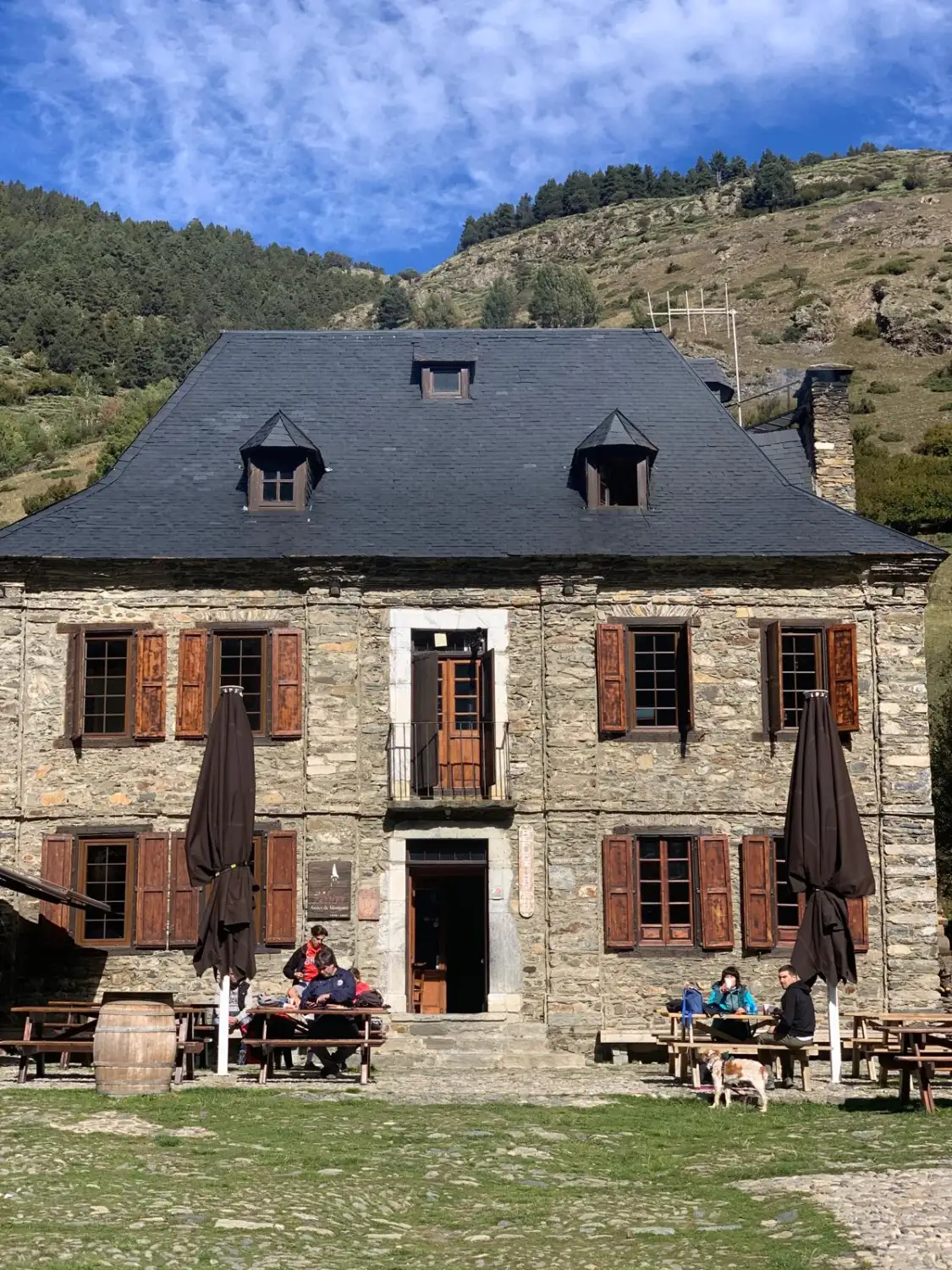
Accommodation: Mountain Refuges & Auberges - We will be staying in a range of accommodation including an Auberge, mountain refuges and a hotel. An auberge is a cross between a hotel and a good quality refuge. It is clean, comfortable, warm and provides all facilities we will need. Refuges are a type of accommodation in remote mountain areas. They are basic but functional and provide all our needs for the night. The refuges we will stay in are Refugi Montgarri in Spain and Refuge Estagnous in France. Both are manned refuges, e.g. provide food, drinks, beds, showers, loos, running water, electricity etc.
Sleeping / Bedrooms / Dorms - At Refuge Estagnous and Refugi Montgarri the sleeping arrangements will be in dormitories. Refuges are open to the public, though we do have our places reserved, we may be sharing a dormitory with other people who are not in our group if the refuge is fully booked.
Sleeping bag liners / Bedding - At refuges they offer duvets on the beds (Estagnous) with a blanket or for extra warmth. We recommend bringing a sleeping bag liner (a cotton body bag)
Showers / Toilet facilities at refuges - Showers and toilets are often communal areas so it will not be unusual to see a member of the opposite sex walk into / out of a shower / loo cubical. At Estagnous you will be given a token (Jeton) to have a 3 min hot shower. Do bring a lightweight / quick dry towel for showers and swims in rivers / lakes.
Ear plugs and head torch: Both are a must for refuges and for when sharing rooms - If you have trouble sleeping or are worried you may not sleep above 2000m (it is not uncommon to find it difficult to sleep well at this height until you acclimatise) so you may want to bring some herbal sleeping tablets, Kalms etc or you can buy some at a pharmacy in St. Girons on the day of arrival.
Dietary requirements - Please let us know prior to arrival if you have any dietary requirements (medical rather than likes or dislikes) so we can inform our accommodation providers.
Food / Meals - We will be receiving “demi-pension” (Dinner, B&B) at our accommodation. Evening meals will comprise of a starter, main and pudding /desert. Wine and beer are not included at mealtimes but are available to buy. Breakfasts will vary, but will mainly comprise of cereals, bread and jam, yogurts, dried meat, tea / coffee. Packed lunches for the days walk will have been ordered in advance. They normally consist of a baguette with ham and / or cheese, a drink, a sweet snack, a packet of crisps or a variation on the theme. If you feel you may need to supplement your packed lunch, then bring extra snacks e.g. a trail mix, muesli bars, nuts, dried fruit, chocolate, etc.
Medical - on your booking form you will asked to provide medical history. Its purpose is to highlight any old or ongoing injury / medical condition that we should know about in advance, or should something happen to you while you were with us. All medical is kept in confidence with us and our team in France.
Walking poles - We highly recommend walking poles for our walks as they make the journey easier. They act as extra levers going uphill and help to transfer weight going downhill, thus saving the knees, as well as providing stability over rough terrain. If you have had a previous injury or if you are worried you may aggravate an old injury, then they are a must. Remember to pack your walking poles in your hold luggage as they may be taken off you when going through the security at airports.
Waterproofs - Mountain weather can change very quickly, so please pack good quality lightweight waterproofs (jacket and over-trousers) Full length leg zips in waterproof over-trousers will make for quick and easy dressing when the weather changes.
Walking boots / socks - Your walking boots are probably your most important bit of kit for this trip. We recommend good quality walking boots with ankle support and a sturdy sole, to be worn with good quality walking socks (not everyday socks). Specialist walking socks help prevent blisters and make multi-day walking more comfortable. You may also like to consider gel insoles in your boots if you have any discomfort when walking. We highly recommend walking in your boots prior to arrival.
Wi-Fi - Sorry to say, due to the remote locations, there is no wi-fi at refuges and it may be limited at other accommodation, but you will get 3G reception along the route, but not everywhere.
Mobile chargers - We recommend you bring battery recharging packs for your mobile phones as power in refuges is supplied by solar power and battery / generator only, so they ration all non-essential usage!
Extra kit - Any kit you do not need for the walk can be left in our vehicle at our starting point. The vehicle will be driven round to our finishing point so your extra kit will be available for you when you arrive at our final accommodation.
Cash / Cards - Cards are accepted in most of the places we stay, but not Refuge Estagnous (second night), so please bring a supply of Euros.
Maps - French map: IGN Traversee de Pyrenees GR10. 1:100,000 (1 cm – 1 km)
Weather websites - Meteoblue. www.meteoblue.com (Meteo Mont Valier)
In a nutshell, almost everything!
This is what you will need to buy/source yourself.
It is important that you read the itinerary carefully, and take account of the rating we have given it.
Although our challenges are not technical, they do require a good degree of physical fitness. The conditions will require stamina and strength, which you should recognise and train for. This will be a much better experience if you are fit and prepared. You should feel comfortable walking 6-8 hours per day.
Please inform us of any dietary requirements or allergies before you travel, and preferably at the time of booking and no later than 4 weeks prior to departure. We can cater to almost any diet, but only if we know about it beforehand.
For up-to-date vaccination information, please visit Travel Health Pro to see the most recent recommendations for your itinerary.
Although we are travel experts, we are not medical specialists, so we cannot explicitly recommend what vaccinations you should or shouldn't have. Always seek the advice of a medical professional if you are unsure. They will likely want to see a copy of your itinerary, and can then best advise whether they think an advised or 'to consider' vaccination is appropriate for you.
Please note that information on vaccinations can change at short notice.
It is a requirement of Tribal Tracks booking terms and conditions that each supporter must hold their own travel insurance, which covers the trip and the activities they are doing. Read more here.
We advise you to put insurance in place as soon as possible, ideally on booking so you are covered immediately. There have been instances where someone has signed up, broken their leg a few weeks later, and been deemed unfit to travel. If travel insurance were in place, the non-refundable deposit could be claimed back from the insurance policy. Without this, your money is lost.
Your insurance must be valid and in date, covering the entire period that you are travelling for, including the return journey home. It must cover medical and personal accident risks, and should include repatriation costs and air ambulance or helicopter rescue services, where appropriate.
We will need to know the travel insurance provider, your policy number and the 24 hour medical/emergency assistance number.
In setting the maximum size of our groups, we take a number of factors into account.
Altitude, degree of difficulty, the terrain, the climate and time of year, all determine the maximum group size. Sometimes it will be 20, sometimes it will be 8-14, but safety is always our priority.
You will be accompanied by a Tribal Tracks UK Leader, Mountain Leader qualified, as well as supported by our local, in-country guides.
Tribal Tracks has 100% Financial Protection and has a trust account with the Protected Trust Service, member number 5566.
This means that all client monies paid to Tribal Tracks are held in our dedicated trust account, which is supervised by an independent trustee. This means that in the very unlikely event that Tribal Tracks ceases to trade, your money is safe. For more information, please visit this link. Any flights booked for you by Tribal Tracks will be ATOL-protected under our own ATOL certificate.
Tribal Tracks considers the safety of all of its participants and staff to be a top priority, and as such we have thorough safety systems in place.
In the event of an injury, we have an evacuation plan in place for all elements of the trek route. We do ask that you look after yourself during the trek in the following way, as this will help avoid unnecessary problems:
We know that the unexpected can happen.
While you are away, things can happen at home and people may need to get in contact with you. This can be tricky when you are in remote areas. So, shortly before departure, we provide you with an Emergency Procedure document to distribute to your nearest and dearest. This sets out how to contact Tribal Tracks and the steps Tribal Tracks will then take to get in contact with you.
It is really important that you are well prepared for your physical challenge and that you are confident that you will be able to fully participate.
Although our leaders are well trained to deal with different capabilities, if they have any concerns about someone’s ability to safely partake in the trek, or their impact on other people’s enjoyment, we authorise them to take necessary action which, in some circumstances, may involve asking someone to step out of the trek. Although this is a very rare occurrence, by booking this trip you agree to section 11 of our Booking Conditions which clearly states that our leaders have the authority to do this. In these circumstances, we will ensure anyone sitting out is safely provided for and offered alternative options where possible. Refunds will not be provided for activities missed and customers may be liable for additional costs incurred.
If you're not happy with something, please talk to the Tribal Tracks Leader. They are there to ensure your experience is as enjoyable as possible. They can only act on what they know, so please don’t be afraid to raise anything that needs addressing with them and certainly don’t wait until the end of the trip. If you’re travelling with a charity, someone from there will be on the trek too, if you’d feel more comfortable liaising through them.
If you are feeling unwell on this trek, tell your leaders and listen to their advice, they are professionals who will know the best course of action for you. If you need to be taken off the trek, or if there is an emergency, our experienced leaders and local guides carry phones and can call for help. No one will be left unaccompanied. If necessary, we hold details of your next of kin and travel insurance and will help organise next steps and onward arrangements.
If your flights are included in the trip price you will automatically be booked on to the same flights as everyone else in the team, unless you let us know before or on booking. If you want to book your own flights, you need to ensure that you coordinate your arrival and departure times with the trip’s itinerary. If your dates/timings don’t align with the itinerary, you will be responsible for costs incurred for additional airport transfers or accommodation arrangements.
Tribal Tracks can book alternative flights for you (for example, from a different departure airport) but this may incur an extra charge. We will liaise with you about costs before booking to ensure you’re happy to proceed.
The Foreign, Commonwealth & Development Office (FCDO) monitors all overseas destinations and offers advice to British citizens. In order to be fully informed of safety issues, crime rates, political stability and local customs you can view the advice here. We monitor FCDO advice carefully and may, on occasion, be required to cancel trips, reroute itineraries, or make other changes to trips based on the FCDO advice. Any decision will always be made in the interests of your safety and security and will be fully communicated to you.
If travelling with a child and only one parent is present, please be aware that you must have the permission of everyone with parental responsibility before that child can be taken abroad. You automatically have parental responsibility if you’re the child’s mother, but you still need the permission of anyone else with parental responsibility before you take the child abroad. A letter from the person with parental responsibility for the child is usually enough to show you’ve got permission to take them abroad. You might be asked for the letter at a UK or foreign border. The letter should include the other person’s contact details and details about the trip. If you are travelling with a child who has a surname different to your own, for example you are a single parent, you are advised to travel with evidence of your relationship (eg a birth certificate) and a divorce or marriage certificate if applicable. In other scenarios, for example, you are a grandparent taking your grandchild on a trip, or you are taking your child’s friend on a trip, you should be able to provide evidence that you have permission from the child’s parents to do this. You should also check the requirements of the country you are travelling to, as they may have additional specific requirements and the age limit up to which a person is considered a child may vary.
At Tribal Tracks, Responsible Travel is enormously important to us, and our commitment to responsible travel is evidenced in every itinerary that we prepare.
Core to our business is the belief that holidays can and should be enjoyable to the traveller but should be conducted in a socially, environmentally and economically responsible manner which brings benefit to local communities. This is implemented through a variety of measures which can be found in our Responsible Travel policy. We encourage you to read this and to play your own part in travelling responsibly.
Trip Details
This kit list is meant as a guide — it might not be crucial to purchase everything on this lisk, ask us at any point if you are unsure.
Trip Details
The trek is a challenge. We will be walking for a long time over sometimes challenging terrain with steep ascents and descents.
The best way to build endurance fitness is to start with some gentle walks and gradually build up both the distance and duration over the next few months. In the last 2 months, we would recommend to go out and do long days, ideally in the hills, to build up the strength in your legs. About a week before the trek, limit any training to short walks – you want to have fresh legs at the start!
For the trek you should be comfortable trekking between 6 - 8 hours per day, but remember we have all day to achieve the distances and will not be going at racing snake pace. It may sound obvious, but make sure that you are walking properly, hitting the ground with your heel first, then rolling onto your toe, which pushes you onto the next step (this will help reduce the risk of shin splints and tendon pulls). Walk with your head up, eyes forward and shoulders level.
It is a good idea to develop a level of cardiovascular fitness (exercising and strengthening your heart and lungs). This comes from running, cycling or swimming for between 20 minutes and an hour, and will really help develop your endurance fitness. Three sessions a week is normally advised, increasing time and distance over time.
Replicate conditions in training i.e., use all the kit you will be using and try your walking poles if you want to use them.
It is important to pack so that you know where everything is. Here at Tribal Tracks, we are big fans of separating kit into different packing cubes (compression ones are great), or even just individual plastic bags can really help with this.
You can pack by item (e.g., socks and pants in one cube, tops in another, waterproofs in another etc.) or by day, putting your entire outfit for that day together in one place. We recommend taking an extra bag or cube to separate the dirty kit from your fresh clothes, too.
You will have two bags on the trip - your main bag and your back pack.
You should operate on the basis that you will not have access to your main bag during the day and while you are trekking. This means that it is important to have everything you need in your back pack. Waterproofs should go in the bottom, together with an extra layer, sunscreen and sunglasses, plus hat and gloves (if you are in a colder climate). You should also have your water bottles, and any specific snacks, medicines or first aid items you want to take, such as zinc tape and blister plasters. Baby wipes/toilet roll and nappy sacks are also essential for going to the toilet while you are trekking - we will explain more in the pre-departure briefing!
In the event of an injury, we have an evacuation plan in place for all elements of the trek route. We do ask that you look after yourself during the trek in the following way, as this will help avoid unnecessary problems:
We will brief you in the pre-departure briefing as to the catering specifically for your trip. However, as a guide, each morning you will be provided with a very filling local breakfast, usually accompanied by tea or coffee. Lunch will be during your trek and will be prepared by the team of cooks or we will utilise local restaurants or teahouses. Food will always be ample and tasty. If wild camping, dinner will be in the dining tent and will be traditional, freshly prepared food. If you are staying in a hotel or teahouse, dinner will be served there. Water, tea and coffee will be served and alcohol will usually not be available, although there will be some exceptions. We will provide 4 litres of drinking water per person per day. You will need to fill up 2 litres at breakfast and another 2 litres at lunchtime.
Please ensure that you have notified us before departure if you have any specific dietary requirements or allergies as we can cater for most things as long as we know about them!
There will be early morning starts, typically around 0600 - 0700hrs, so that the team can set off on the trek in good time. It is important that you pack up your kit before breakfast and leave your bag outside your tent or accommodation so that the crew can load them onto the jeeps and/or mules. There will be a freshly cooked lunch provided on your trek route. The aim is to get into camp before sunset if possible, when you can enjoy a hot drink and snacks. It is important that you change into your thermals and put layers on when you get into camp as the temperatures can drop sharply and you need to keep warm.
We recommend that you bring a multi-region adapter plug with you. There will be no facility to recharge electrical items on the trek, so we recommend you bring a power bank to top up the charge. We also recommend putting your phone on Airplane mode during the day to save on power.
Using your mobile overseas can sometimes attract unwelcome, very high tariffs. We recommend that you check with your network provider before you travel, but if in doubt, keep your phone switched to Airplane mode and use it only when there is WiFi. Reception can also be patchy, and unreliable, particularly in remote areas, which is why we carry a satellite phone with us. Please let your nearest and dearest know about this, and warn them that you may not be able to be in regular contact.
We ask that your luggage is kept to the absolute minimum. We will tell you the weights that you should not exceed, but usually (depending on the airline), your main bag should not exceed 23kgs in weight.
It is important that you wear your trekking boots or take them in your hand luggage on the flight, as they are vital for the trek and cannot be replaced if your luggage is lost.
We recommend leaving behind items such as high-value jewelry, watches, etc. Your passport and money should always be kept on your person.
Trip Details
If you want to alter the length of this trip, or want to make any changes or add any other activities, just let us know, we are happy to adapt where possible.
Have a question about Tribal Tracks? Get in touch, our small team will be delighted to help.