Travelling with Tribal Tracks is a wonderful experience. They take care of everything and you don't have to worry about anything!
Gordon G
Location
Difficulty
Accommodation and Meals
Hotel, Guesthouse, Village Homestay, Lodge
Duration
10 days
Meeting Point
Kota Kinabalu
Annual Leave
6 days
Group Size
Up to 14
Seasons
March to October
Walking Distance
Approximately 70km
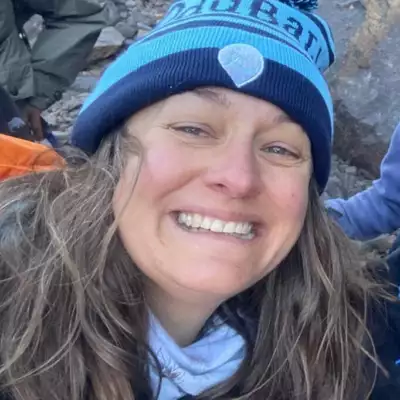
Kate is an Army Officer and despite all that entails, works for Tribal Tracks in her spare time. She is a wonderful leader and one of our most popular.
Trek a historic route, learning from an expert about the brave, heroic and ultimately tragic Australian and British Prisoners of War, captured by the Japanese in World War II.
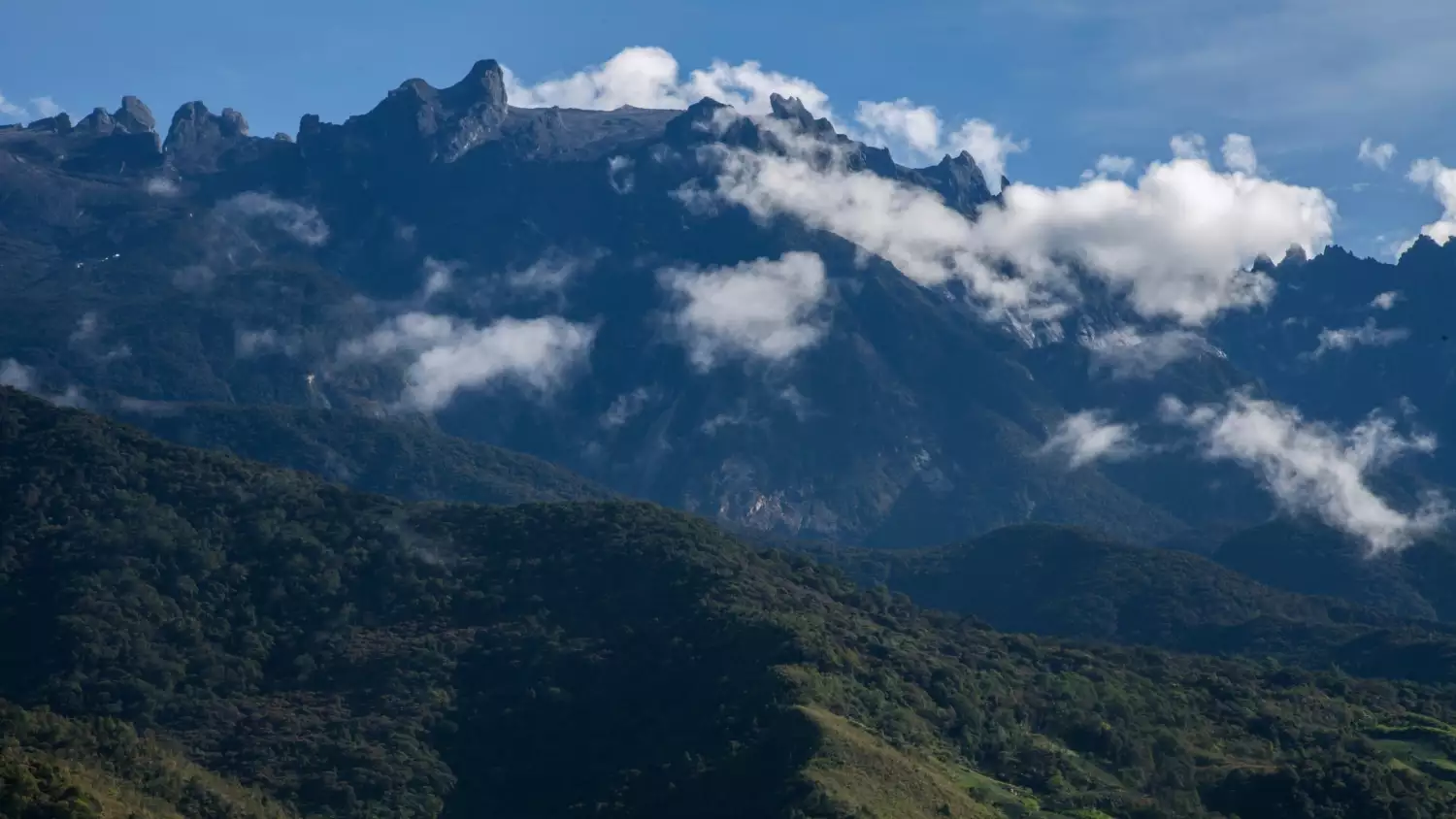
Pay homage to them, and to all who serve today, by digging deep to summit Mount Trusmadi, Borneo's second highest mountain, and arguably a tougher summit than Mount Kinabalu.
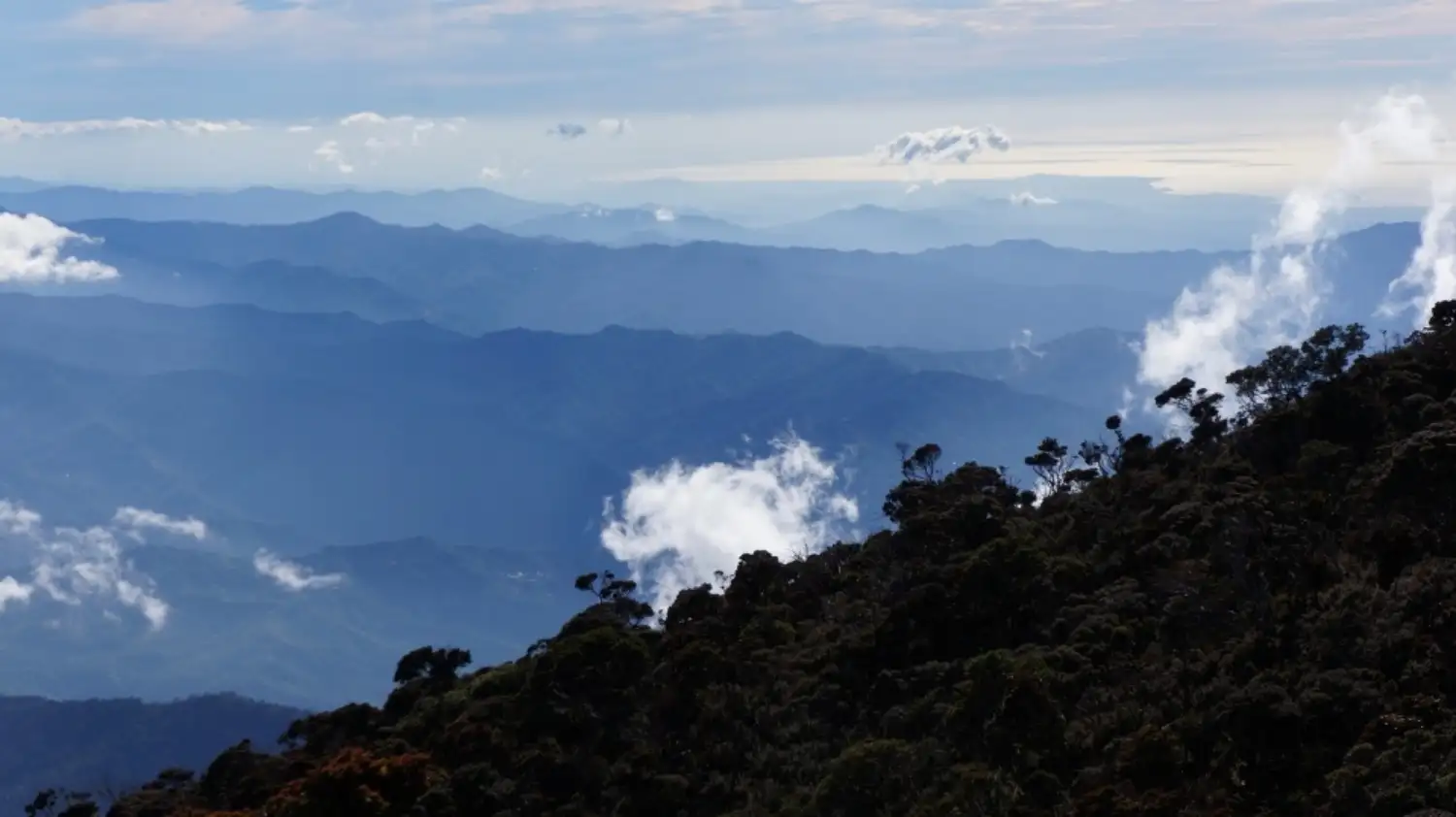
Learn about the wonderful jungle flora and fauna as you trek.
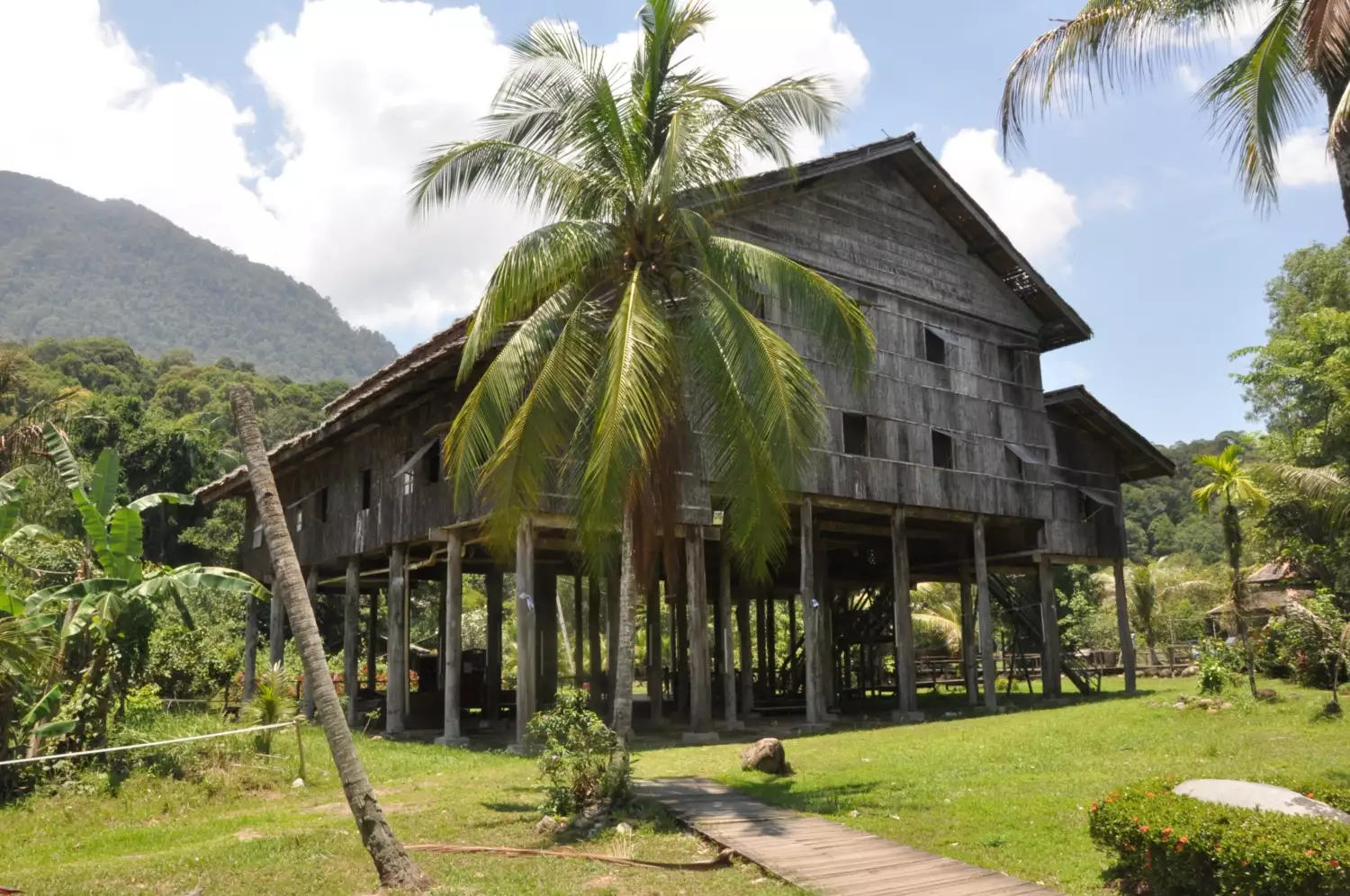
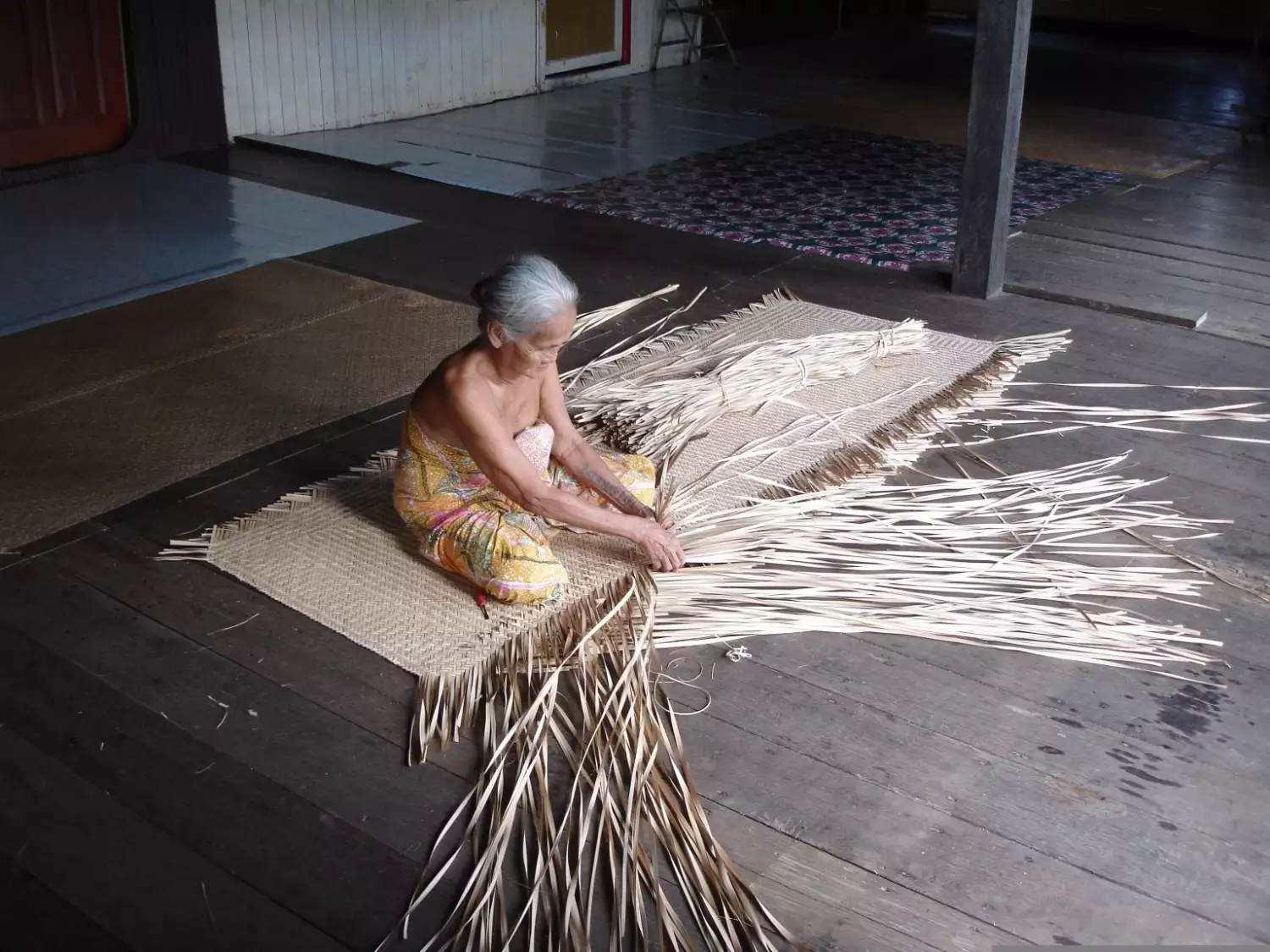
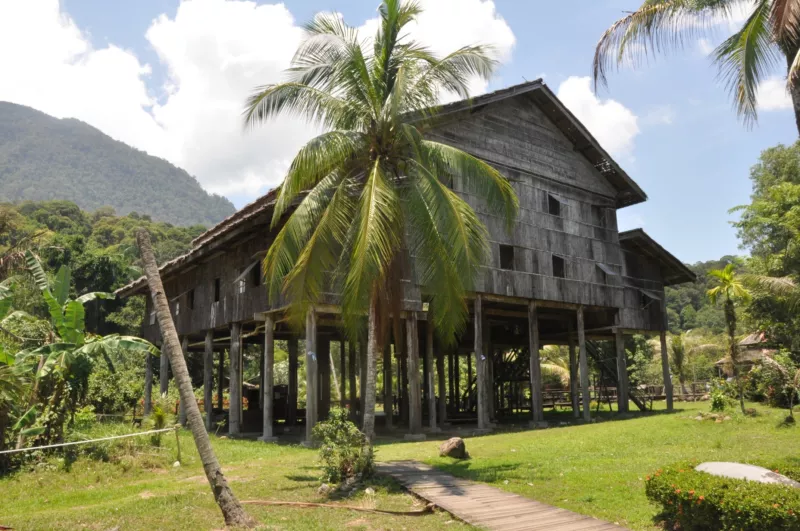
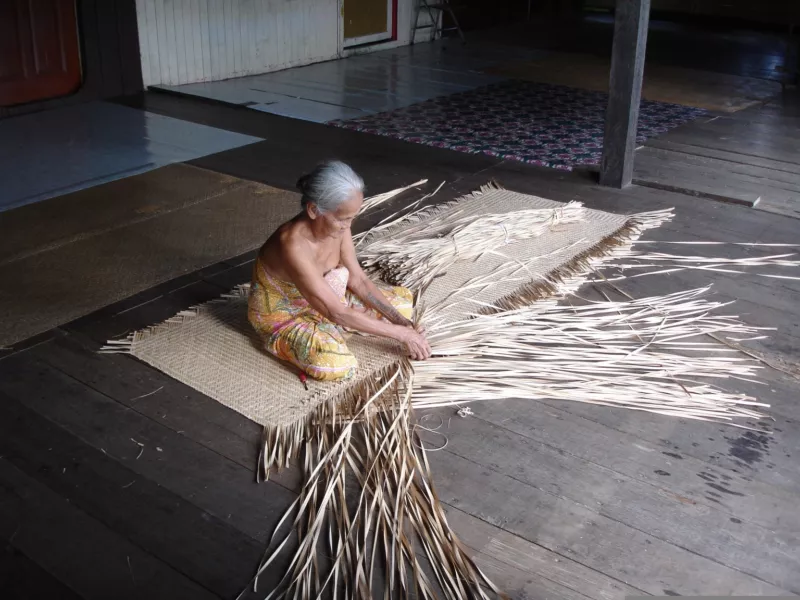
Understand local culture and sample delicious food while staying in traditional guesthouses and a Borneo longhouse.
All the info you need
Trip Details
This very special trek has two distinct phases. In the first part, we follow the echoes of the past, trekking in the footsteps of the brave, heroic and ultimately tragic Australian and British Prisoners of War, captured by the Japanese in World War II. We then pay homage to them, and to all who serve today, by digging deep to summit Mount Trusmadi.
Phase 1 - The Death March Trek
Sandakan was a POW camp, located on Sabah’s north-east coast. Following the fall of Singapore, the Japanese transferred the 2700 strong Allied Contingent to this camp. Australian and British POWs were incarcerated there, tasked with constructing a military airfield using not much more than their bare hands. Initially, conditions were not too bad, but after the discovery of a radio, conditions were drastically tightened. Starved, and living in filthy conditions, in January 1945, the Japanese decided to move 455 of the fittest prisoners to Jessleton (now Kota Kinabalu) where they would be put to use as labourers. Forcing them to march through remote, inhospitable jungle terrain, the first group was halted at Ranau due to Allied air activity on the coast. A second enforced march took place at the end of May, with the third following on in mid-June. There was no medical assistance and little food. Anyone who could not keep up was ‘disposed of’. Despite this, about half the prisoners completed the march, only to die at Ranau from illness, malnutrition and ill-treatment by their captors. Two Australians managed to escape in the early stages of the second march with the help of villagers, and four more successfully escaped from Ranau into the jungle, where they were cared for by local people.
Despite this, the prisoners never gave up. Their heroism, their determination and their indomitable spirit are testimony to the strength of the human spirit and an inspiration to all. Of the 2434 prisoners incarcerated at Sandakan, 1787 were Australian. The remaining 641 were British. The six Australians who escaped were the sole survivors.
The track cut for the death marches soon became completely overgrown and for sixty years defied all efforts to locate it. However, in August 2005, Australian investigative writer and historian, Lynette Silver, author of the internationally acclaimed book Sandakan – A Conspiracy of Silence, and Tham Yau Kong, highly respected, expert jungle trekker, combined their considerable talents to identify the path taken by the prisoners of war.
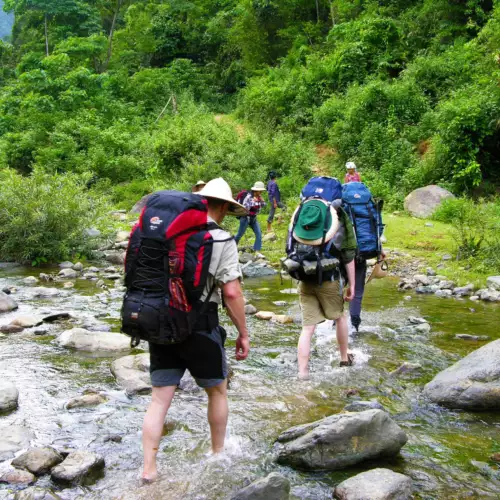
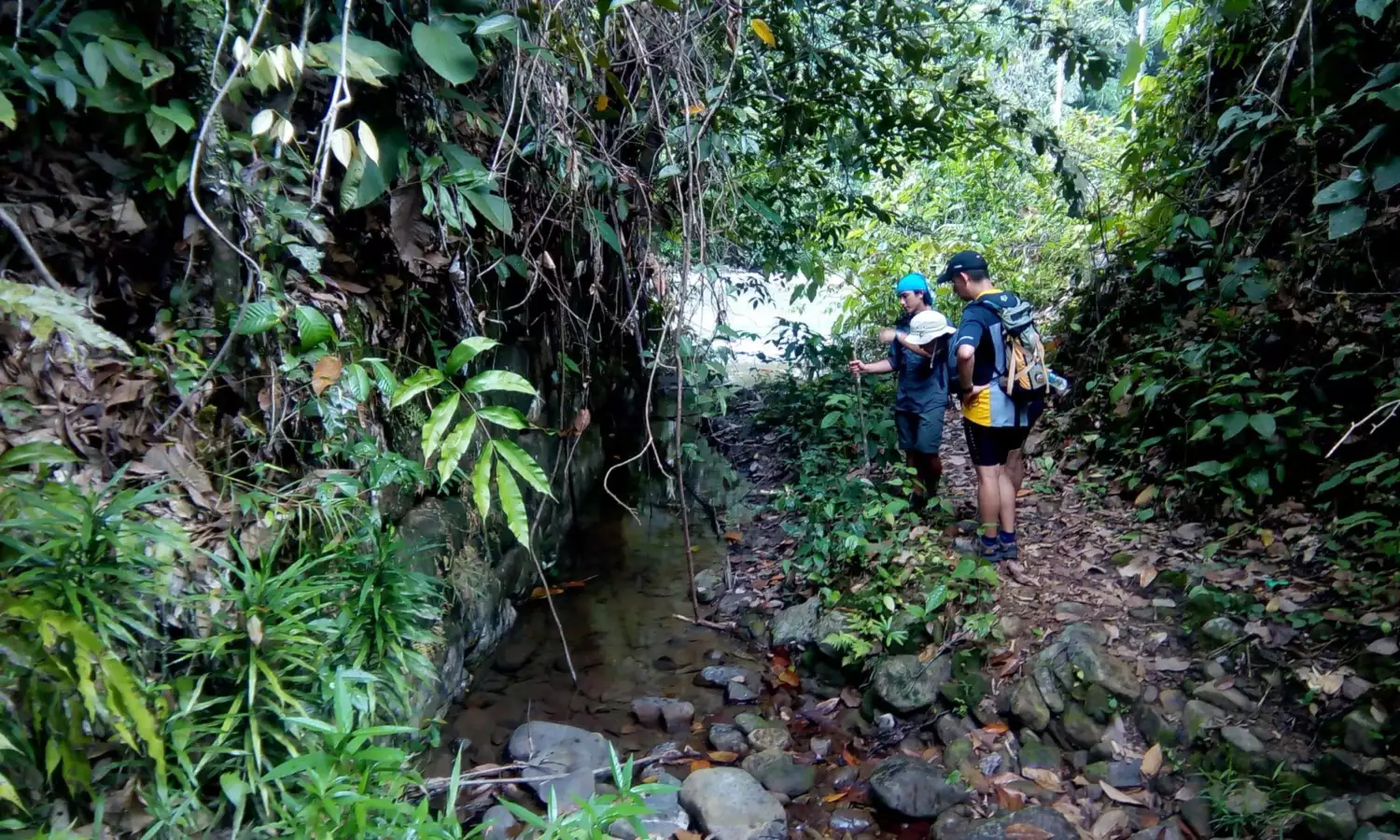
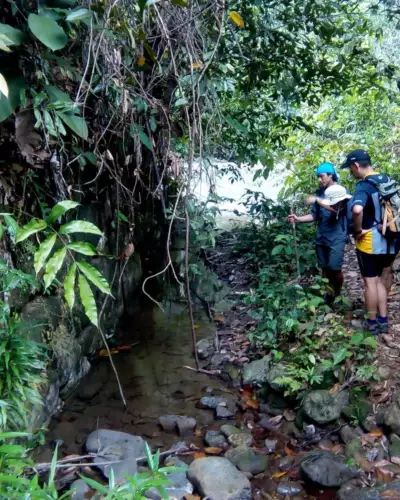
On this trek, we will have the honour of being accompanied by Tham Yau Kong who will share the history of the marches as we go, giving us a unique insight. We cannot trek the full route, but our expert guides have selected the most appropriate sections for us, where they bring the history of the march to life. The trek is through tough jungle terrain, and involves some wading through shallow rivers, but gives us a inkling of what the POWs went through so many years before.
Phase 2 - Mount Trusmadi
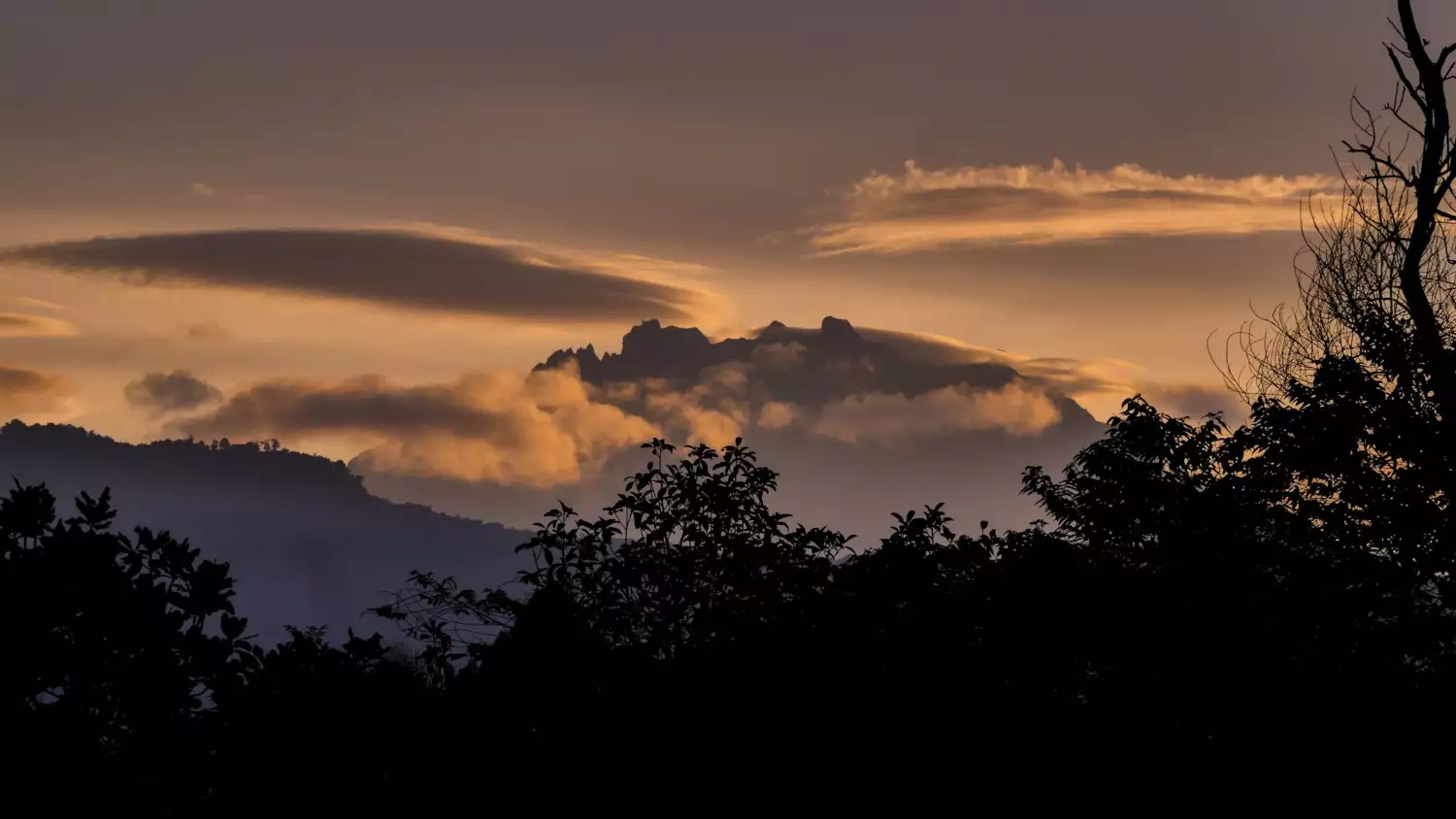
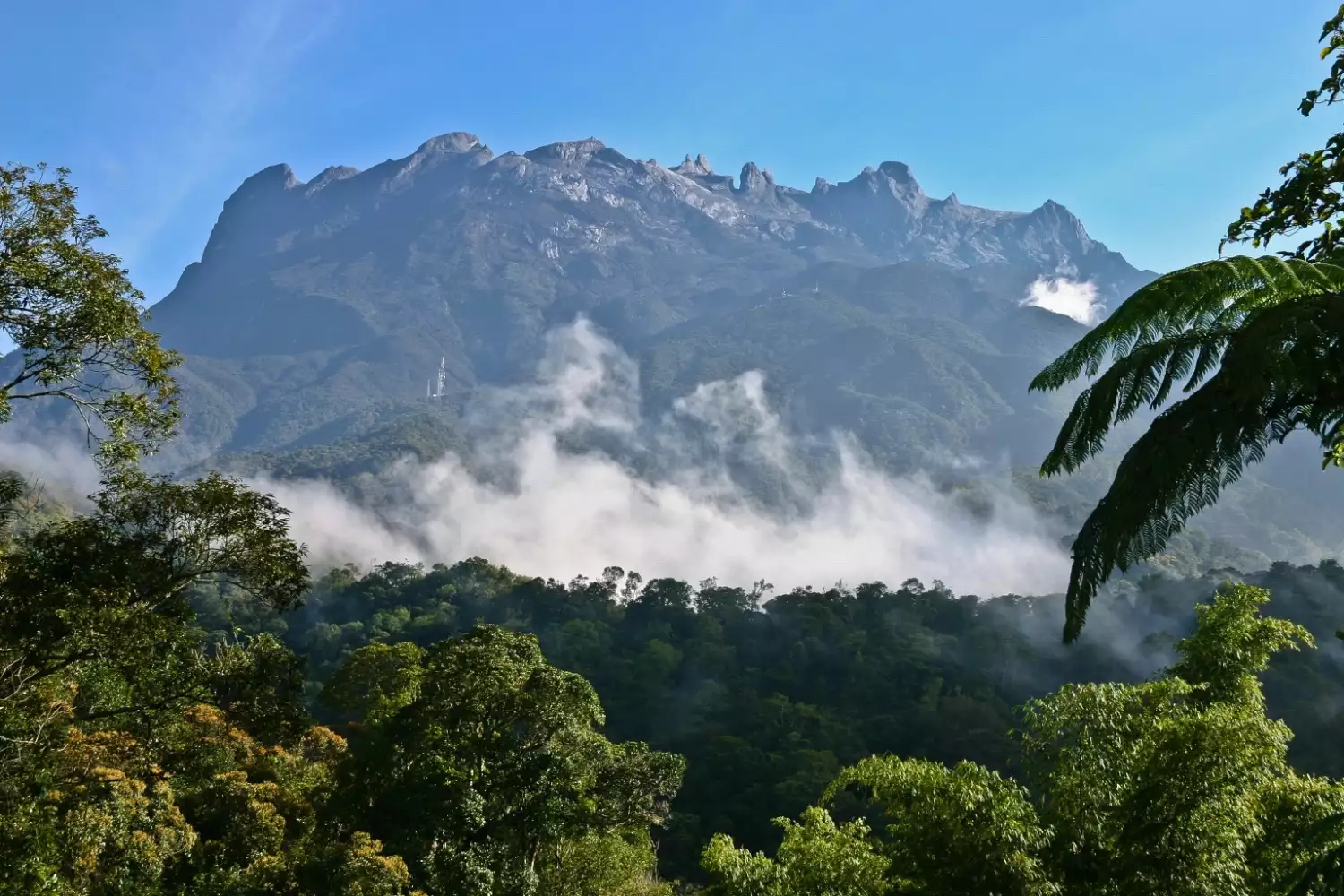
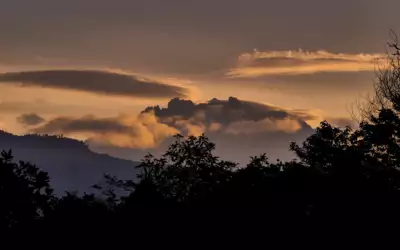
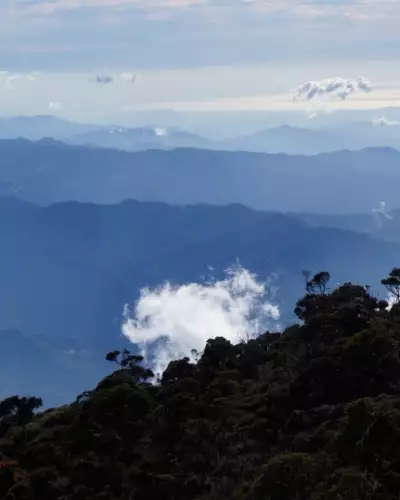
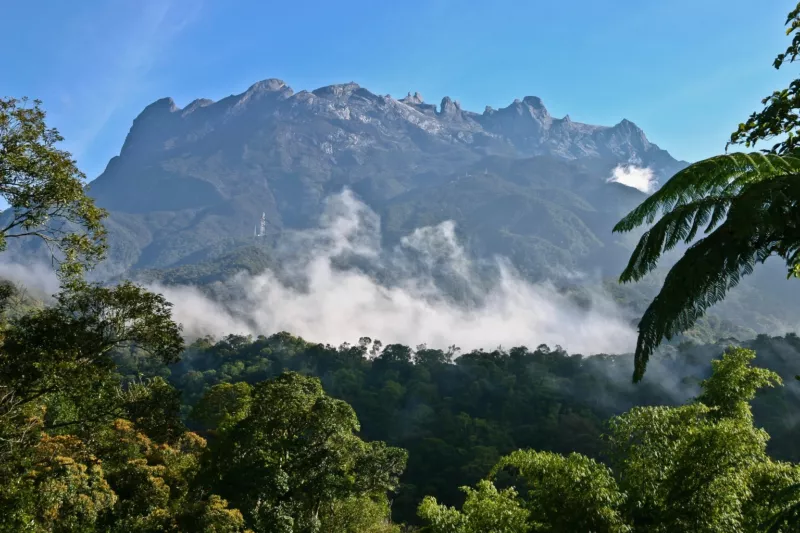
Standing at 2642m, Mount Trusmadi is the second highest mountain in Malaysia and is located in the Trusmadi Forest reserve. The terrain is challenging and some argue a tougher climb than Mt Kinabalu, the highest mountain, but is a much more interesting mountain. house where the team will stay overnight. This is a physically demanding and steep summit trek, with the steeper sections having ladders and ropes.
Trip Details
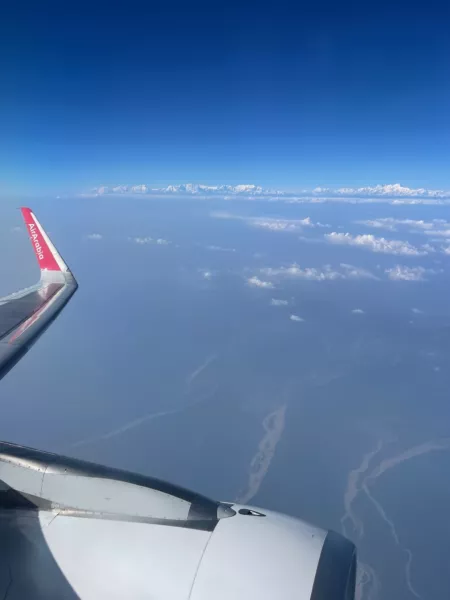
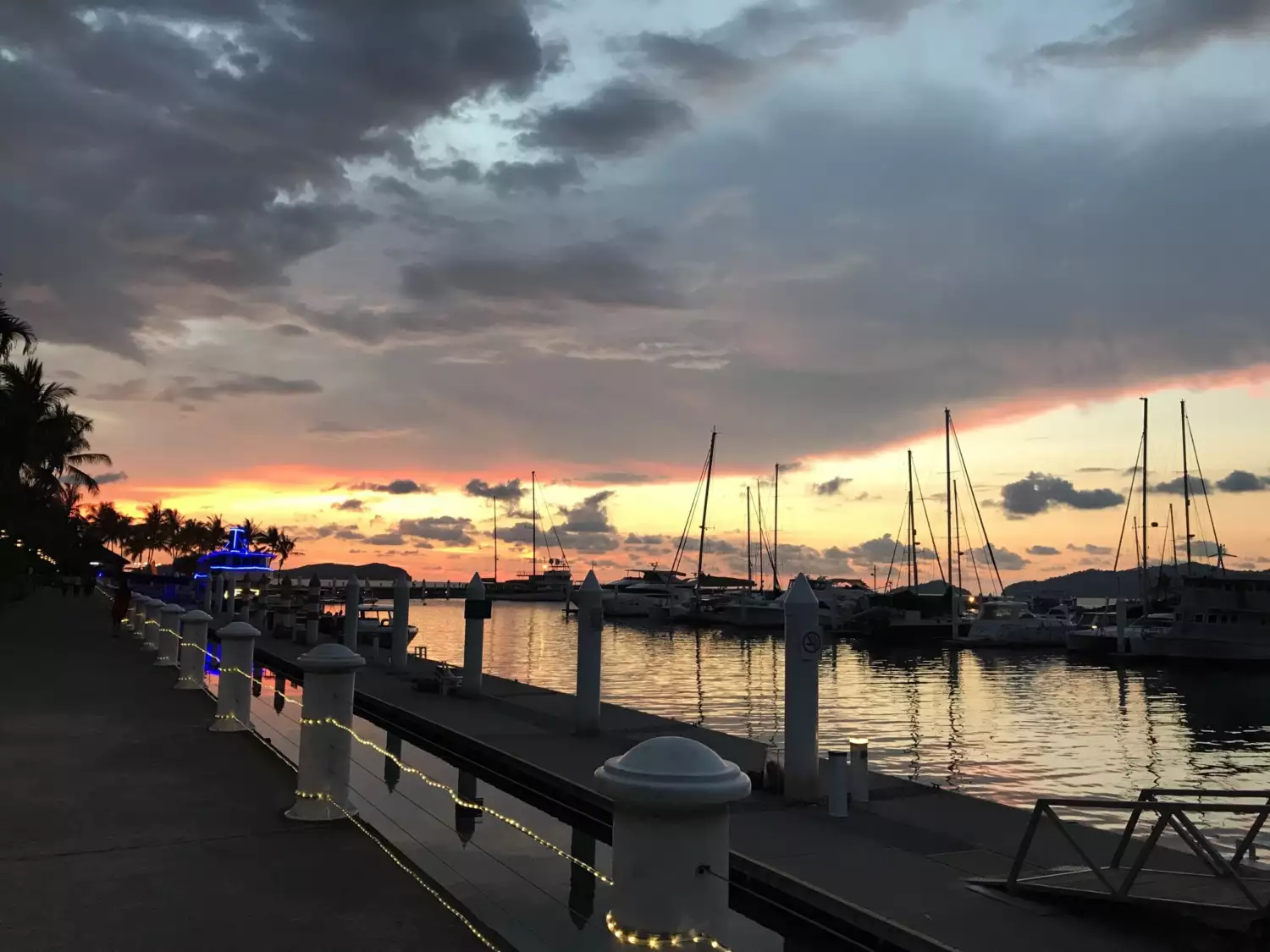
Departing London in the afternoon, we arrive into Kota Kinabalu the following day.
On arrival we will be met at the airport transferred to our hotel. We will have a briefing before supper on what lies ahead.
Accommodation and Meals
Overnight 3* Star Hotel Kota Kinabalu, dinner.
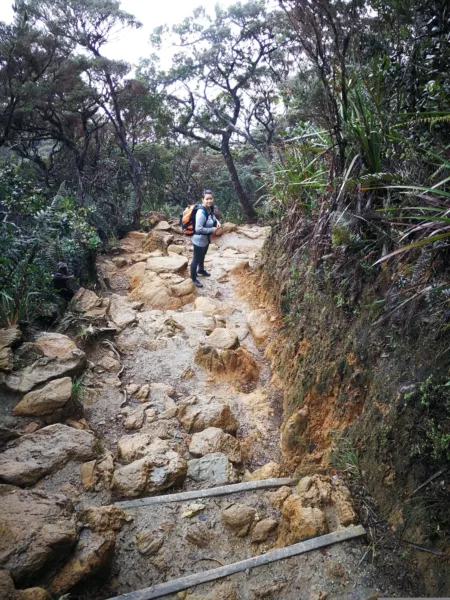
After an early breakfast, we depart Kota Kinabalu and head to Telupid, approximately 250km and 4 – 5 hours away. Lunch will be in Ranau, where the three marches concluded, before heading to the start of the first part of the trek.
The start of the trek is at base of Bauto Hill and the route travels through the Tawai Forest Reserve. Surrounded by secondary jungle terrain, we ascend to the top of Bauto Hill and then descend to Telupid. This 8km route follows the Death March and will take approximately 4 hours. At the end of the trek, it is a 15 minute transfer to our Resthouse in Telupid. Dinner is local cuisine, cooked by locals and brought to us.
Accommodation and Meals
Overnight local guesthouse, full board.
It is an early start with breakfast at 6am and ready to depart at 7am for a short transfer Gambaron.
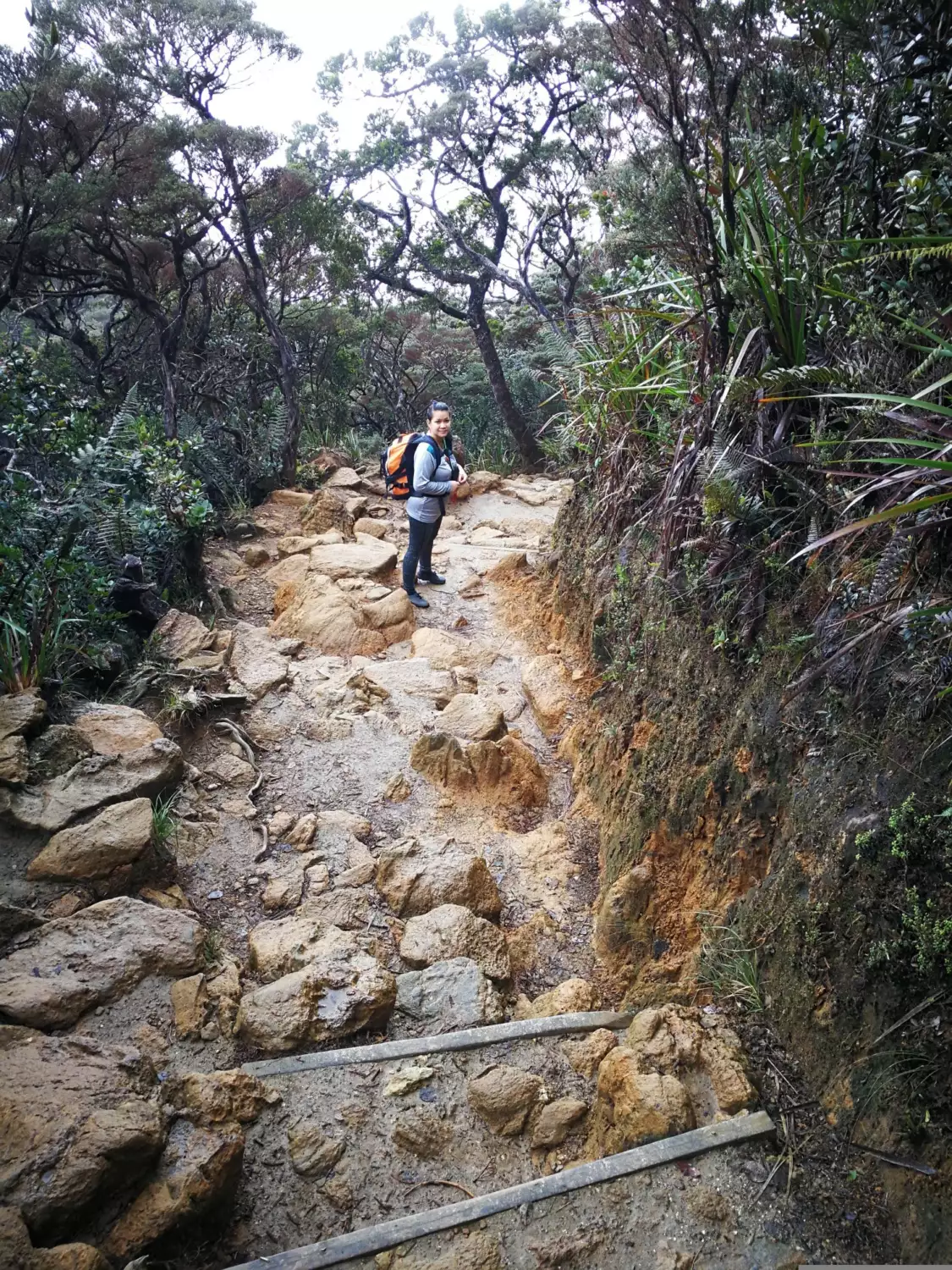
The first part of the trek is under the primary jungle canopy which then opens up onto wider tracks. We will cross some small streams and then onto our river crossing at Telupid river, approx. 1 – 2 ft deep, if the river is fast flowing we will have the option of a bridge crossing. The route is 18km and will take about 7 - 8 hours. There will be a short transfer from the end of the trek back to our Resthouse, where there is the option of enjoying a swim in the river after the trek.
Accommodation and Meals
Overnight local guesthouse, full board.
The starting point for the trek is at Kopuron village and it is a short transfer to the village.
The team will meet the son of late Mr Zudin, well known in for his part in using his blowpipe during WW2 to kill many Japanese soldiers. His son will teach you how his father used the blowpipe. After saying farewell we continue the Death March route, passing through villages path and farmland. We walk upstream along a small river to the top of Taviu Hill. There will be vehicles waiting for you at the end of the trek to transfer you to Sabah Tea Plantation. At Sabah Tea Plantation you will stay in a traditional Longhouse.
Accommodation and Meals
Overnight traditional Longhouse, full board.
After breakfast we take a short transfer to Nabutan village to finish the final leg of the Death March route to Muruk village.
Passing through farmlands and orchard to reach Nalapak village for our lunch stop, we then begin our final (and emotional) trek to Muruk village. The route is approximately 18km.
Accommodation and Meals
Overnight traditional Longhouse, full board.
It is time to enjoy a relaxing day before the Mount Trusmadi Summit.
After breakfast we transfer to Poring Hotsprings. There will be an opportunity to walk the canopy walkway and swim in the pools. After lunch, it is time to head to Tambunan and prepare for our summit trek.
Accommodation and Meals
Overnight hotel, full board.
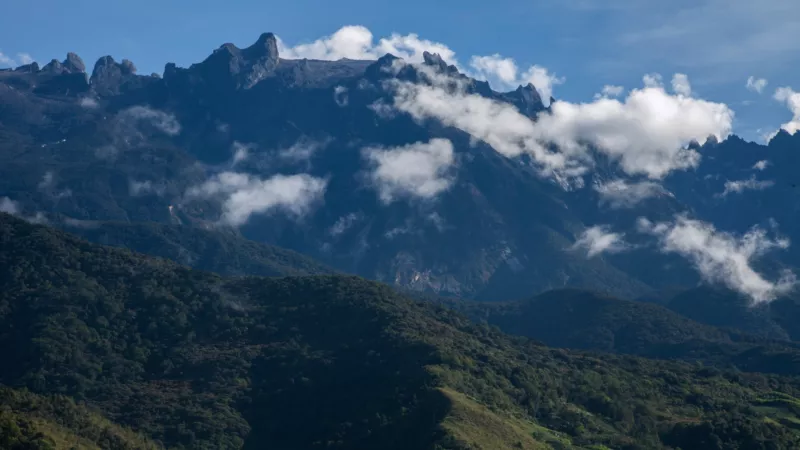
Our 4x4 vehicles will meet us after breakfast and take us to the start of the trek in the foothills of Mount Trusmadi.
The approach route is approximately 4km, and this is a gentle and easy walk along the boardwalk to Midway campsite. After dinner, we will have our briefing and pack our kit for the morning; we will need to get an early night so we are ready for the summit day!
Accommodation and Meals
Overnight wild camping, full board.
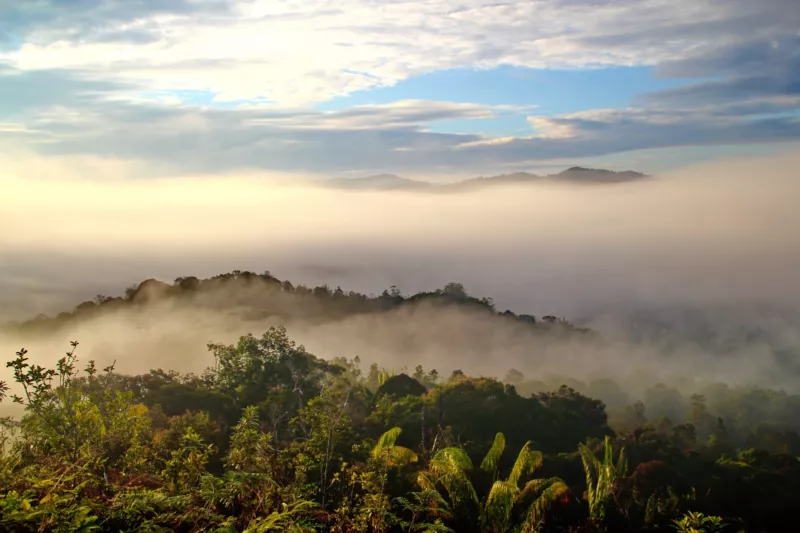
Departing at 0230hrs we start our ascent with our headtorches on.
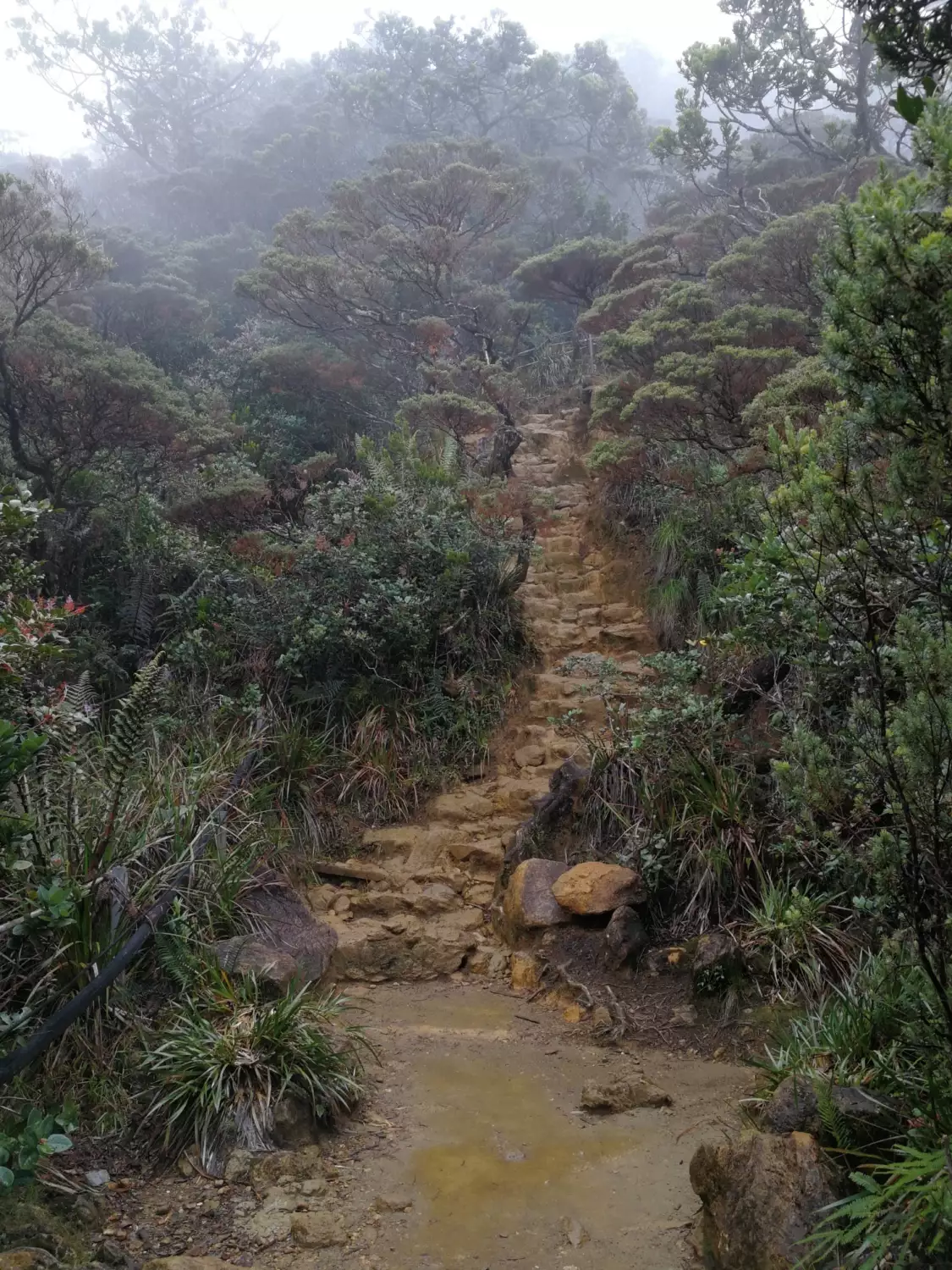
The 3km route is physically demanding and there will be large vines and tree roots to climb over.
Departing before sunrise we start our ascent, there will be large vines and tree roots to climb over and there will be some scrambling . There are ladders and fixed ropes to help negotiate the steeper sections of the trek. Our aim is to reach the reach summit at sunrise so we can enjoy the 360 stunning views. We retrace our steps and descend to Midway cabin and onto Tambunan. We will meet our transport and head to Kota Kinabalu to enjoy our final night celebration.
Accommodation and Meals
Overnight hotel, full board including celebration dinner.
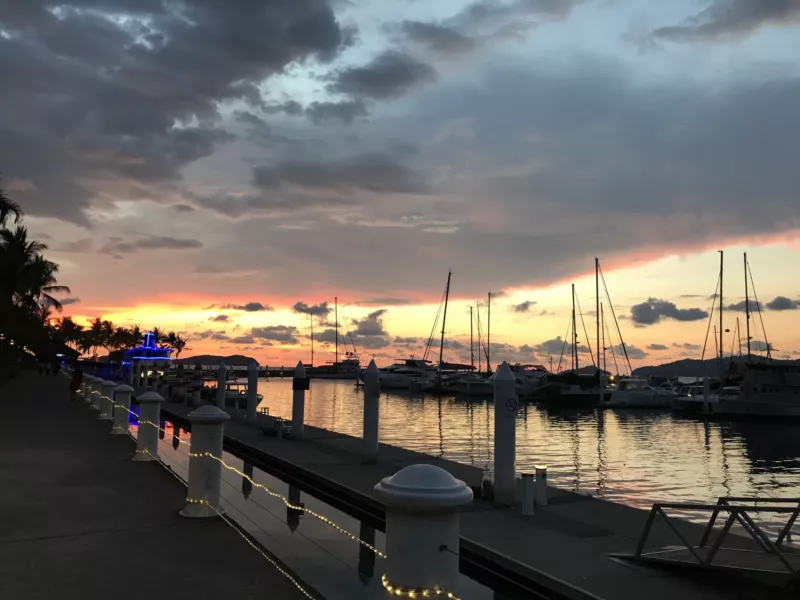
After breakfast, we say a fond farewell to Borneo and we head to the airport for our return flight home.
Accommodation and Meals
Breakfast.
Trip Details
Trip Details
This is what you will need to pay for/ buy/source yourself.
In a nutshell, almost everything!
This is what you will need to buy/source yourself.
Tribal Tracks has 100% Financial Protection and has a trust account with the Protected Trust Service, member number 5566.
This means that all client monies paid to Tribal Tracks are held in our dedicated trust account, which is supervised by an independent trustee. This means that in the very unlikely event that Tribal Tracks ceases to trade, your money is safe. For more information, please visit this link. Any flights booked for you by Tribal Tracks will be ATOL-protected under our own ATOL certificate.
In setting the maximum size of our groups, we take a number of factors into account.
Altitude, degree of difficulty, the terrain, the climate and time of year, all determine the maximum group size. Sometimes it will be 20, sometimes it will be 8-14, but safety is always our priority.
You will be accompanied by a Mountain Leader qualified Tribal Tracks UK Leader as well as supported by our local, in-country guides. If you are travelling with a charity team, someone from the charity will likely accompany the group too.
If your flights are included in the trip price you will automatically be booked on to the same flights as everyone else in the team, unless you let us know before or on booking. If you want to book your own flights, you need to ensure that you coordinate your arrival and departure times with the trip’s itinerary. If your dates/timings don’t align with the itinerary, you will be responsible for costs incurred for additional airport transfers or accommodation arrangements.
Tribal Tracks can book alternative flights for you (for example, from a different departure airport) but this may incur an extra charge. We will liaise with you about costs before booking to ensure you’re happy to proceed.
It is really important that you are well prepared for your physical challenge and that you are confident that you will be able to fully participate.
Although our leaders are well trained to deal with different capabilities, if they have any concerns about someone’s ability to safely partake in the trek, or their impact on other people’s enjoyment, we authorise them to take necessary action which, in some circumstances, may involve asking someone to step out of the trek. Although this is a very rare occurrence, by booking this trip you agree to section 11 of our Booking Conditions which clearly states that our leaders have the authority to do this. In these circumstances, we will ensure anyone sitting out is safely provided for and offered alternative options where possible. Refunds will not be provided for activities missed and customers may be liable for additional costs incurred.
Please check the most recent FCDO advice.
As this can change regularly, please check the most recent FCDO advice. We will advise of the current requirement in the pre-departure meeting closer to departure.
It is a requirement of Tribal Tracks booking terms and conditions that each supporter must hold their own travel insurance, which covers the trip and the activities they are doing. Read more here.
We advise you to put insurance in place as soon as possible, ideally on booking so you are covered immediately. There have been instances where someone has signed up, broken their leg a few weeks later, and been deemed unfit to travel. If travel insurance were in place, the non-refundable deposit could be claimed back from the insurance policy. Without this, your money is lost.
Your insurance must be valid and in date, covering the entire period that you are travelling for, including the return journey home. It must cover medical and personal accident risks, and should include repatriation costs and air ambulance or helicopter rescue services, where appropriate.
We will need to know the travel insurance provider, your policy number and the 24 hour medical/emergency assistance number.
Please inform us of any dietary requirements or allergies before you travel, and preferably at the time of booking and no later than 4 weeks prior to departure. We can cater to almost any diet, but only if we know about it beforehand.
For up-to-date vaccination information, please visit Travel Health Pro to see the most recent recommendations for your itinerary.
Although we are travel experts, we are not medical specialists, so we cannot explicitly recommend what vaccinations you should or shouldn't have. Always seek the advice of a medical professional if you are unsure. They will likely want to see a copy of your itinerary, and can then best advise whether they think an advised or 'to consider' vaccination is appropriate for you.
Please note that information on vaccinations can change at short notice.
At Tribal Tracks, Responsible Travel is enormously important to us, and our commitment to responsible travel is evidenced in every itinerary that we prepare.
Core to our business is the belief that holidays can and should be enjoyable to the traveller but should be conducted in a socially, environmentally and economically responsible manner which brings benefit to local communities. This is implemented through a variety of measures which can be found in our Responsible Travel policy. We encourage you to read this and to play your own part in travelling responsibly.
The Foreign, Commonwealth & Development Office (FCDO) monitors all overseas destinations and offers advice to British citizens. In order to be fully informed of safety issues, crime rates, political stability and local laws and customs, you can view the advice here.
We monitor FCDO advice carefully and may, on occasion, be required to cancel trips, reroute itineraries, or make other changes to trips based on the FCDO advice. Any decision will always be made in your best interests and fully communicated to you.
Tribal Tracks considers the safety of all of its participants and staff to be a top priority, and as such we have thorough safety systems in place.
In the event of an injury, we have an evacuation plan in place for all elements of the trek route. We do ask that you look after yourself during the trek in the following way, as this will help avoid unnecessary problems:
It is always important to have precautions in place to avoid heat-related illnesses that can spoil your day or adventure. Click here to find a couple of tips to help you stay safe and comfortable.
In many tropical countries, mosquitoes can spread diseases such as Dengue, Chikungunya, West Nile Virus, Malaria, Yellow Fever, and Zika virus. It is essential that you seek medical advice prior to travel, and especially if you are pregnant or have an underlying medical condition. Whilst travelling there are several simple measures you can take to reduce your risk of infections spread by mosquitoes: wear suitable clothing and cover up at times of day when mosquitoes are active, use insect repellent on exposed skin (containing 20% to 30% DEET), and use a mosquito net if sleeping in unscreened accommodation.
It is important to seek prompt medical attention if you have a fever or display any other symptoms. If you become unwell on your return, make sure you tell your doctor about any trips abroad you have taken in the past year.
We know that the unexpected can happen.
While you are away, things can happen at home and people may need to get in contact with you. This can be tricky when you are in remote areas. So, shortly before departure, we provide you with an Emergency Procedure document to distribute to your nearest and dearest. This sets out how to contact Tribal Tracks and the steps Tribal Tracks will then take to get in contact with you.
If you're not happy with something, please talk to the Tribal Tracks Leader. They are there to ensure your experience is as enjoyable as possible. They can only act on what they know, so please don’t be afraid to raise anything that needs addressing with them and certainly don’t wait until the end of the trip. If you’re travelling with a charity, someone from there will be on the trek too, if you’d feel more comfortable liaising through them.
You can also email us at any time using info@tribaltracks.co.uk, and we will respond to you within one working day.
If you are feeling unwell on this trek, tell your leaders and listen to their advice, they are professionals who will know the best course of action for you. If you need to be taken off the trek, or if there is an emergency, our experienced leaders and local guides carry phones and can call for help. No one will be left unaccompanied. If necessary, we hold details of your next of kin and travel insurance and will help organise next steps and onward arrangements.
If travelling with a child and only one parent is present, please be aware that you must have the permission of everyone with parental responsibility before that child can be taken abroad. You automatically have parental responsibility if you’re the child’s mother, but you still need the permission of anyone else with parental responsibility before you take the child abroad. A letter from the person with parental responsibility for the child is usually enough to show you’ve got permission to take them abroad. You might be asked for the letter at a UK or foreign border. The letter should include the other person’s contact details and details about the trip. If you are travelling with a child who has a surname different to your own, for example you are a single parent, you are advised to travel with evidence of your relationship (eg a birth certificate) and a divorce or marriage certificate if applicable. In other scenarios, for example, you are a grandparent taking your grandchild on a trip, or you are taking your child’s friend on a trip, you should be able to provide evidence that you have permission from the child’s parents to do this. You should also check the requirements of the country you are travelling to, as they may have additional specific requirements and the age limit up to which a person is considered a child may vary.
Trip Details
Trip Details
The trek is a challenge. We will be walking for a long time over sometimes challenging terrain with steep ascents and descents.
The best way to build endurance fitness is to start with some gentle walks and gradually build up both the distance and duration over the next few months. In the last 2 months, we would recommend to go out and do long days, ideally in the hills, to build up the strength in your legs. About a week before the trek, limit any training to short walks – you want to have fresh legs at the start!
For the trek you should be comfortable trekking between 6 - 8 hours per day, but remember we have all day to achieve the distances and will not be going at racing snake pace. It may sound obvious, but make sure that you are walking properly, hitting the ground with your heel first, then rolling onto your toe, which pushes you onto the next step (this will help reduce the risk of shin splints and tendon pulls). Walk with your head up, eyes forward and shoulders level.
It is a good idea to develop a level of cardiovascular fitness (exercising and strengthening your heart and lungs). This comes from running, cycling or swimming for between 20 minutes and an hour, and will really help develop your endurance fitness. Three sessions a week is normally advised, increasing time and distance over time.
Replicate conditions in training i.e., use all the kit you will be using and try your walking poles if you want to use them.
It is important to pack so that you know where everything is. Here at Tribal Tracks, we are big fans of separating kit into different packing cubes (compression ones are great), or even just individual plastic bags can really help with this.
You can pack by item (e.g., socks and pants in one cube, tops in another, waterproofs in another etc.) or by day, putting your entire outfit for that day together in one place. We recommend taking an extra bag or cube to separate the dirty kit from your fresh clothes, too.
You will have two bags on the trip - your main bag and your back pack.
You should operate on the basis that you will not have access to your main bag during the day and while you are trekking. This means that it is important to have everything you need in your back pack. Waterproofs should go in the bottom, together with an extra layer, sunscreen and sunglasses, plus hat and gloves (if you are in a colder climate). You should also have your water bottles, and any specific snacks, medicines or first aid items you want to take, such as zinc tape and blister plasters. Baby wipes/toilet roll and nappy sacks are also essential for going to the toilet while you are trekking - we will explain more in the pre-departure briefing!
In the event of an injury, we have an evacuation plan in place for all elements of the trek route. We do ask that you look after yourself during the trek in the following way, as this will help avoid unnecessary problems:
We will brief you in the pre-departure briefing as to the catering specifically for your trip. However, as a guide, each morning you will be provided with a very filling local breakfast, usually accompanied by tea or coffee. Lunch will be during your trek and will be prepared by the team of cooks or we will utilise local restaurants or teahouses. Food will always be ample and tasty. If wild camping, dinner will be in the dining tent and will be traditional, freshly prepared food. If you are staying in a hotel or teahouse, dinner will be served there. Water, tea and coffee will be served and alcohol will usually not be available, although there will be some exceptions. We will provide 4 litres of drinking water per person per day. You will need to fill up 2 litres at breakfast and another 2 litres at lunchtime.
Please ensure that you have notified us before departure if you have any specific dietary requirements or allergies as we can cater for most things as long as we know about them!
You will sleep in shared tents (unless a single supplement has been requested). Mattresses are provided, which makes it much more comfortable! There will be a central dining tent available with rugs and lights where the group can get together in the evening, share stories and enjoy meals. There will also be an open fire wherever it is possible.
Sleeping bags are designed to work by trapping your body heat in the down surrounding you. If you wear lots of layers, your body heat will not escape as effectively, and you will be cold. Wearing a thin thermal layer is ideal. It does sound counterintuitive, but we promise that it works!
Putting your clothes for the next day in the bottom of your sleeping bag will also help with warmth, as it will fill up any spare space around your feet, and it will mean your clothes are nicely warmed up in the morning.
If you find it difficult to sleep without a pillow, we recommend taking a travel pillow and a regular pillowcase with you. Put your pillow in the pillow case, and use your down jacket/layers to fill out the pillowcase. You will end up with a pretty decent pillow!
And as for stuff or roll when it comes to packing your bag away? We are very much in the stuff camp! Read more here.
There will be early morning starts, typically around 0600 - 0700hrs, so that the team can set off on the trek in good time. It is important that you pack up your kit before breakfast and leave your bag outside your tent or accommodation so that the crew can load them onto the jeeps and/or mules. There will be a freshly cooked lunch provided on your trek route. The aim is to get into camp before sunset if possible, when you can enjoy a hot drink and snacks. It is important that you change into your thermals and put layers on when you get into camp as the temperatures can drop sharply and you need to keep warm.
In the morning, the Tribal Tracks leader will wake up the group. When you hear the call, please begin to get ready, and pack all your kit away in your 'main bag' before breakfast. Put this bag outside your tent or accommodation as the crew can then begin to break down the tents/load the luggage. Ensure that you have all that you need in your backpack for the day, as you will not have access to your main bag until the next camp (see 'What do I put in my backpack?).
When you arrive into camp, it is important to get changed into different clothes, usually the ones that you will be wearing the next day. Even if you have had dry weather, you will have been sweating, and your clothes will be damp. As the sun sets and the air cools, you will quickly feel cold. Before this, you will want to freshen up and we recommend the 'baby wipe bath'. As there are no showers while on the trek, having a freshen up with a baby wipe will help keep you clean and will make you feel much better, before you put your clean clothes on. Unpack your sleeping bag and get everything out that you need for nighttime, such as your warm hat, jacket, head torch and book. Sort out your back pack for the next day by removing rubbish and replenishing snacks etc.
Doing this before dinner will mean you can get into your sleeping bag quickly, when it is likely to feel cold.
There will be a toilet tent and water supplied for washing in the morning where we can. There are no shower facilities provided during the trek and there will be no toilets either, but there will be a toilet tent in camp in the evenings and mornings. In the pre-departure briefing, we will tell you all that you need to know about how to deal with this.
We recommend that you bring a multi-region adapter plug with you. There will be no facility to recharge electrical items on the trek, so we recommend you bring a power bank to top up the charge. We also recommend putting your phone on Airplane mode during the day to save on power.
Using your mobile overseas can sometimes attract unwelcome, very high tariffs. We recommend that you check with your network provider before you travel, but if in doubt, keep your phone switched to Airplane mode and use it only when there is WiFi. Reception can also be patchy, and unreliable, particularly in remote areas, which is why we carry a satellite phone with us. Please let your nearest and dearest know about this, and warn them that you may not be able to be in regular contact.
We ask that your luggage is kept to the absolute minimum. We will tell you the weights that you should not exceed, but usually (depending on the airline), your main bag should not exceed 23kgs in weight.
It is important that you wear your trekking boots or take them in your hand luggage on the flight, as they are vital for the trek and cannot be replaced if your luggage is lost.
We recommend leaving behind items such as high-value jewelry, watches, etc. Your passport and money should always be kept on your person.
Trip Details
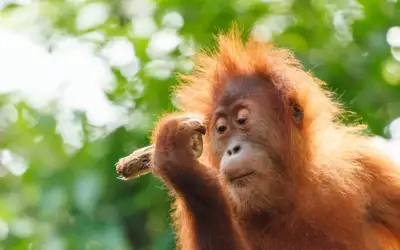
Borneo is a wonderful place to explore and there are amazing animal sanctuaries where you can view some of the wildlife unique to this huge island. If you want to explore further, please contact us for a bespoke extension package.
Have a question? Get in touch, our small team will be delighted to help.